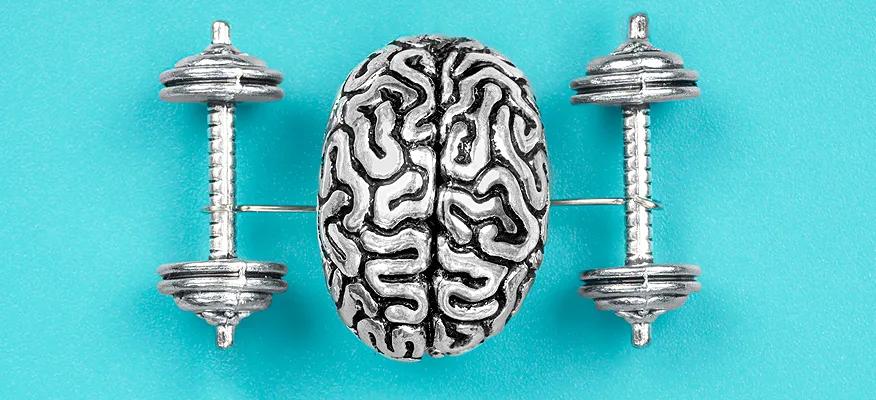
“It’s all in the mind, my friend.”
“Control your mind, control your life.”
“Mind leads, body follows.”
How many times have we heard these in our life? And it’s all true. Perhaps universally so.
It’s the mind that helps us absorb, analyze, learn, experience and feel. It helps us work effectively and plan our life. It helps us reach our full potential, enables evolution – individually and collectively.
Good mental health helps us combat stress and live a more balanced life.
Healthier the mind, healthier the body – and better the quality of life.
But life’s struggles, stresses and the sheer unpredictability of it can end up wearing us down - not just physically, but also mentally and emotionally.
We can boost our cognitive resilience – which is the ability of cognitive processes to resist stress - and build our mental strength in various ways. According to the World Health Organization (WHO), the ability to manage life’s stressors, reach one’s full potential, learn and work effectively, and give back to one's community is known as mental health.
To know about how we can mind our mental health, read on.
Understanding cognitive resilience

Thinking, feeling, sensing and experiencing are how one gains knowledge and understanding. This process is known as cognition. It includes several high-level mental processes and functions, like language, planning, scheduling, memory, judgment, attention, and perception.
Cognitive health is the capacity for clear thinking, learning, and memory, and is essential for carrying out daily tasks. It is a key feature of brain health.
However, stress can affect various cognitive functions.
As a result of ongoing research, the idea of cognitive resilience has emerged, indicating the extent to which cognitive processes can fight the negative effects of stress.

Link between stress and cognition
Numerous factors connected to both stress and cognitive function can influence how stress affects cognition.
The source, intensity and time of stress can determine the cognitive effects of stress. You may start to forget things and feel disorganized when you are under a lot of stress.
In addition to affecting memory and many other cognitive processes, including mood and anxiety, stress also increases inflammation which harms heart health.
Strategies for boosting cognition and reducing stress
Short-term stress can help us focus and become more motivated to perform. Chronic stress, however, can change the brain over time, affect memory, and raise the risk of Alzheimer's and dementia. Reducing stress can be your first step towards boosting cognition. There are some effective strategies to achieve this.
Essential tips to reduce stress
The best ways to deal with stress include getting at least 7 hours of sleep every day, eating a plant-based diet, exercising frequently, practicing meditation, and maintaining social relationships.
The following are some ways to manage stress:
- Relaxation techniques - You can relax using techniques like breathing exercises and mindfulness, which focus your consciousness on the present moment. It may help you to stop the cycle of stressful thinking.
- Stretching - Under tension, your muscles stiffen up. Stretch to release the strain.
- Walking quickly - It's advised to get 150 minutes a week of moderate-intensity exercise, such as brisk walking, to help with stress management and other aspects of health. When you are feeling triggered, taking a quick 10-minute walk can help to release the feel-good chemicals in your body, manage the stress hormones and ease muscle tension.
- Laughter - Laughter may reduce your stress hormones, and help you express happiness and hopefulness. Watch comedy movies or shows to tickle your funny bones!
- Ask for help - Asking a friend or family member to simply listen to your worries or to assist you with tasks like grocery shopping, lawn mowing, or heavy lifting.
- Other essential tips that can help to boost cognition and build mental strength include prioritizing sleep, nutrition and hydration.
Role of sleep in cognition
- Sleeping is not just about rejuvenating; it has many benefits, especially for your cognition.
- Sleep is essential for the combination of various memory types and for the development of observant, predictive thought processes. Lack of sleep can negatively impact cognitive functioning.
- People who have insufficient sleep may face problems with attention and memory. Individuals who experienced severe sleep deprivation for a mere 30 hours were found to display deficiencies in their ability to think creatively, speak fluently, and plan non-verbally.
- Also, research shows that 18.1% of men and 27% of women of South Asia experience cognitive decline due to poor sleep quality.
- When you sleep, your brain works through the information it has been exposed to during the day. It helps stabilize memory and removes certain proteins that cause Alzheimer's disease.
- Your neurotransmitter (brain chemical) and stress hormone levels are impacted by sleep disturbances, which may make it harder to think clearly and control your emotions.
Prioritizing sleep can boost cognition, and you may use the following ways to sleep better:
- Modify your bedroom into a dark, quiet place.
- Switch off all types of bright light.
- Before going to bed, stay away from heavy meals, caffeine, and alcohol.
Nutrition for cognitive health
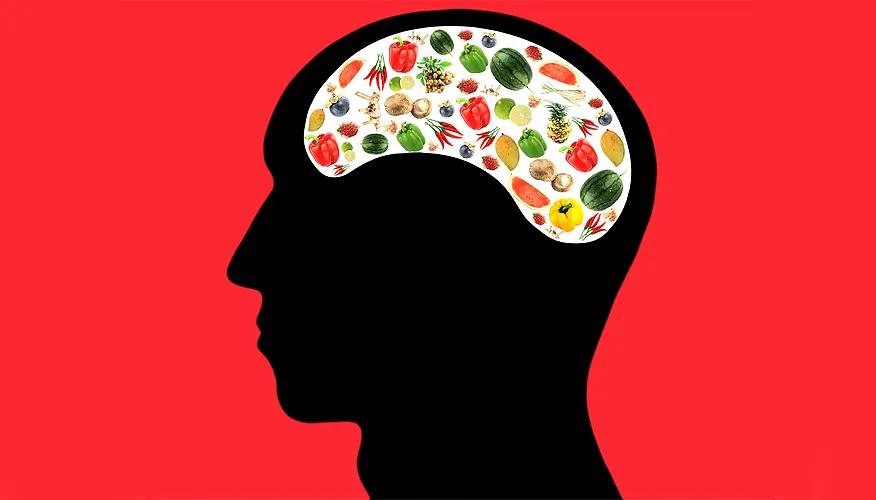
- Many studies indicate that our diets impact the thinking and memory functions of the aging brain.
- Following a specific diet can increase the consumption of nutrients with antioxidant and anti-inflammatory properties.
- These qualities may protect the brain against diseases like Alzheimer’s. Speaking with your doctor before following a certain diet can help you choose the right one for you.
According to research, two diets may be advantageous for brain health:
- The Mediterranean diet focuses on whole grains, vegetables, fruits, unsaturated fats like olive oils, legumes, fish, and other seafood; it also calls for a limited intake of red meat, eggs, and sweets.
- The DASH (Dietary Approaches to Stop Hypertension) and Mediterranean diets are combined to create the MIND (Mediterranean–DASH Intervention for Neurodegenerative Delay) diet.
The MIND diet is like the Mediterranean diet in that it highlights the use of whole grains, beans, nuts, olive oil, seafood (preferably 1 or more servings per week), green leafy vegetables, and berries over other fruits.
Red meat, desserts, cheese, butter, and fast food are among the foods whose serving sizes are restricted in the MIND diet.
When compared to a Western-style diet, some observational studies have indicated that the MIND and Mediterranean diets are linked to a decreased risk of dementia.
The MIND diet has been linked to a lower risk of Alzheimer's disease and a slower rate of cognitive decline.

Hydration for mental well-being
- Numerous dietary guidelines recommend drinking lots of water because it is widely believed to be beneficial to health. Water helps transport nutrients to the brain, gets rid of toxins and inflammatory markers, gives the brain energy, and enhances brain function.
- According to a large cross-sectional study, reduced daily consumption of plain water was linked to a higher risk of anxiety and depression.
- Proper hydration enhances mood, cognitive function, and the quality of sleep. It is recommended by experts that an average woman should drink 11 cups of water every day, while men should drink 16 cups. These cups don’t have to be made entirely of plain water; some can be made with coffee or tea, or with fruit or vegetable flavors (lemons, berries, or slices of orange or cucumber).
Conclusion
Our cognitive health, which plays such a key role in our life, can be significantly affected by stress. Chronic stress may give rise to diseases like Alzheimer’s and dementia. It is thus vital to boost cognitive resilience, which is the extent to which cognitive processes can resist the negative effects of stress.
You can reduce stress through activities like brisk walking, stretching and laughing. Various strategies to boost cognition are available – good sleep, for example. Sleep is essential for attention and memory; prioritizing it can enhance cognition.
The Mediterranean and MIND diets have been linked to decreased risk of dementia. Water provides the brain with nutrients and removes toxins. Staying hydrated improves mood, cognitive ability and sleep quality. Using these strategies, you can boost your cognition and build mental strength.
Mind your mental health. After all, as they rightly say - “It’s all in the mind, my friend.”
Meet our expert

Meet our expert
Dr. Irina Borisovna Stefanenko, a medical doctor based in Ukraine, graduated from Vinnitsa State Medical University in 1995. Between 1995 and 2000, Dr. Stefanenko pursued postgraduate studies and engaged in scientific activities at Vinnytsa Medical University in Ukraine.



How was the experience with article?
We'd love to know!