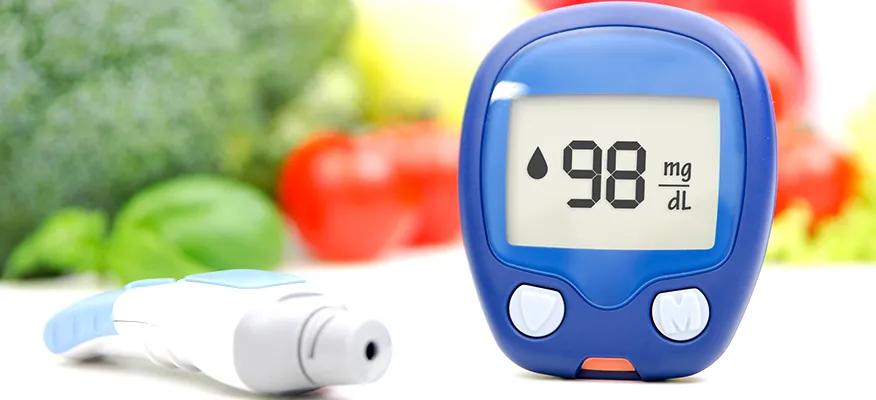
What Is a Glucometer?
The American Diabetes Association (ADA) recommends the use of portable glucose analysers, commonly known as glucometers, for self-monitoring purposes. These devices are highly recommended for individuals to monitor their blood glucose levels conveniently, whether it is in the comfort of their homes, while on the go, or within clinical settings. Glucometers provide a practical solution for regular monitoring and are endorsed by the ADA as an effective tool in diabetes management.1 Glucometers can provide accurate blood glucose readings if used correctly and in adherence to proper guidelines. To ensure reliable results, it is essential to avoid the following common mistakes and follow the given tips.
Common Mistakes to Look Out For!

1. Sharing Fingerstick Devices and Medication Equipment With Multiple Users
One critical mistake to avoid when using glucometers is sharing fingerstick devices or medication equipment among multiple individuals. It is essential to understand that fingerstick devices and medication equipment are designed for one person only. Sharing glucometers, blood glucose meters, insulin pens, medication cartridges, and syringes can pose significant health risks, due to cross-contamination, transmission of infections or diseases, and compromised safety and effectiveness of treatment.
If circumstances absolutely necessitate sharing a glucometer or medication equipment, extreme caution must be exercised. The device should be thoroughly cleaned and disinfected after each use following the manufacturer's instructions. However, it is important to note that if the manufacturer does not provide specific instructions for cleaning and disinfection, sharing the device should be avoided altogether.

2. Neglecting Hygiene and Maintenance of the Device
Glucometers need to be properly cleaned and disinfected. Instructions for these can vary, so always read and follow the directions in your manual.
Failing to clean and disinfect your glucometer can compromise its accuracy and cause the accumulation of contaminants. To ensure reliable results, prevent the spread of pathogens, and promote effective diabetes management, adhere to the recommended cleaning and disinfection recommendations of the manufacturer.
3. Skipping Glucometer Quality Control Checks
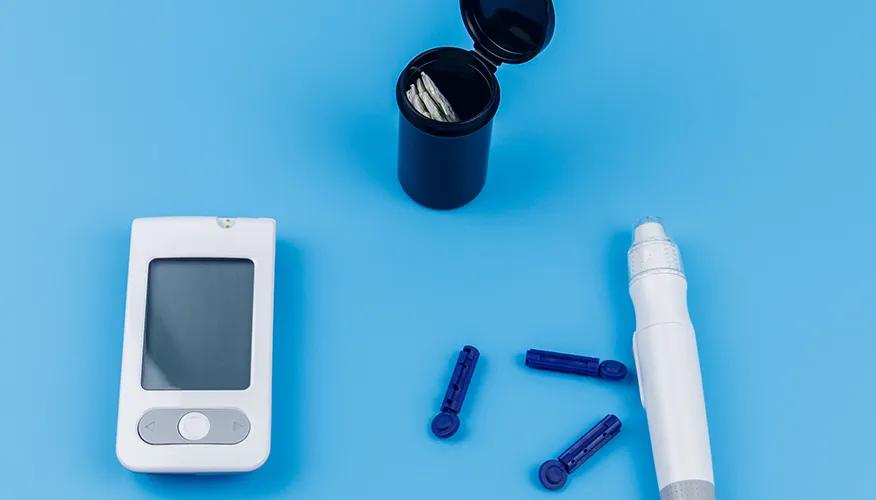
Neglecting regular quality control checks is a critical mistake you should avoid when using glucometers as this can result in false readings and unreliable glucose level measurements. These checks involve testing your meter with a control solution to ensure the test strips and meter work effectively. By skipping this important step, you may overlook potential issues that could affect the accuracy of your results. Refer to the meter's instructions to determine how often these checks should be performed to ensure reliable blood glucose readings.
4. Improper Storage of Test Strips
Exposure to moisture can damage the test strips and lead to inaccurate readings. To prevent this, ensure that your glucometers test strips are stored correctly in the provided container in a safe place and avoid exposing them to moisture, extreme heat, or cold temperatures. It is essential to immediately close the container tightly after you remove a test strip.
Following these guidelines ensures the integrity of the test strips and reliable blood glucose readings.
5. Avoid Using Alcohol
Another common mistake while using a glucometer is following improper hand cleaning techniques, which can affect the quality of the blood sample obtained. It is important to wash your hands with soap and warm water, ensuring thorough cleaning. After washing, make sure to dry your hands well. However, refrain from using alcohol as it can excessively dry the skin.
Additionally, massaging your hands can help promote blood flow to the fingers, facilitating an easier blood sample collection.

Conclusion
Understanding and avoiding common mistakes when using a glucometer are essential for accurate and effective blood glucose monitoring. Remember to avoid sharing glucometers, follow proper cleaning and disinfection practices, conduct regular quality control checks, store your test strips correctly, and maintain proper hand cleaning techniques. By avoiding these common mistakes, you can enhance the accuracy of your glucometer readings, make informed decisions about your diabetes care and, ultimately, optimise diabetes management to improve your overall well-being. Stay vigilant, follow best practices, and take control of your diabetes for a healthier future.
Meet our expert

GHBY Team
GHBY TeamMeet our expert
GHBY Team comprises content writers and content editors who specialise in health and lifestyle writing. Always on the lookout for new trends in the health and lifestyle space, Team GHBY follows an audience-first approach. This ensures they bring the latest in the health space to your fingertips, so you can stay ahead in your wellness game.


How was the experience with article?
We'd love to know!