
It is fascinating to discover that the effect of diabetes on women is different from that on men. In fact, women diagnosed with diabetes might face a greater risk of heart diseases and other related complications than their male counterparts.

However, there is positive news—diabetes may be effectively managed through adopting a healthy diet, regular exercise, and the consistent use of medicines (or insulin) and appropriate monitoring devices.
Continue scrolling to explore the unique relationship between diabetes and women, some of the conditions in women frequently associated with diabetes, and delving into how they may be successfully navigated and controlled.
Diabetes and UTIs
Women who have diabetes may often experience a higher likelihood of developing UTIs and vaginal yeast infections. This might be attributed to elevated blood sugar levels, which may hinder the immune system's effectiveness.

Tips to Tackle
To effectively manage diabetes, it is crucial to regulate insulin levels. Alongside this, there are other simple ways by which you may manage or prevent UTIs, such as:
- Ensuring adequate hydration by drinking ample amounts of water
- Adopting the practice of front-to-back wiping when going to the bathroom
- Establishing a habit of emptying the bladder when you feel the urge to urinate.
Diabetes and Menstrual Cycles
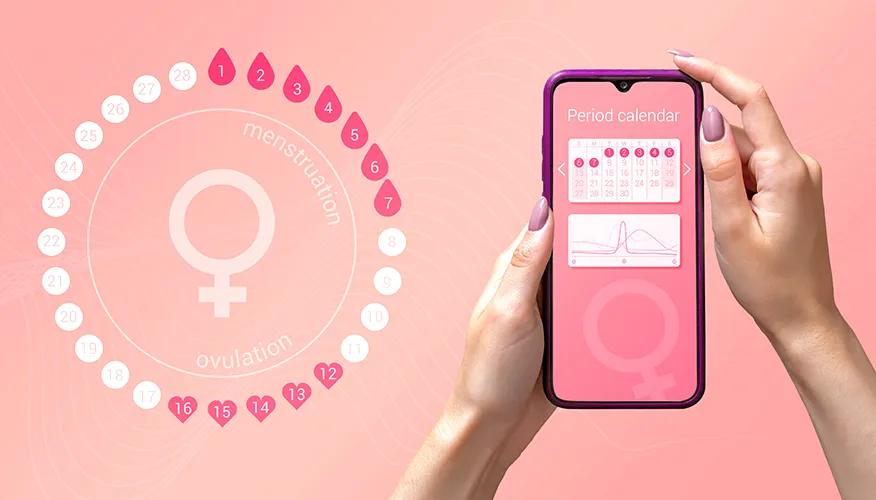
When a woman menstruates, it happens due to hormone changes, specifically, changes in the hormones progesterone and oestrogen. These hormonal changes, especially in progesterone, might influence how the body responds to insulin, which in turn may affect blood sugar levels. Before their periods, many women may observe higher blood glucose levels. This occurs because the effectiveness of insulin decreases during this time.
It is important to note that periods might affect blood glucose levels differently for each woman. Some may see consistent changes at each cycle, while others may notice variations, and some may not experience any impact at all.
Tips to Tackle
Monitor blood glucose levels regularly to understand the impact of menstruation on your blood glucose levels. In addition, if you experience increased appetite during the perimenstrual period or before your periods, you can control blood glucose levels by:
- Avoiding high-sugar foods
- Choosing balanced meals.
Diabetes and Sexual Wellness
Individuals with diabetes may have a higher risk of sexual dysfunction. Prolonged high sugar levels might damage blood vessels and nerves in the body, including those supplying the sexual organs, which leads to reduced blood flow and decreased sensation. As a result, women with diabetes may encounter difficulty being aroused and experience reduced stimulation.
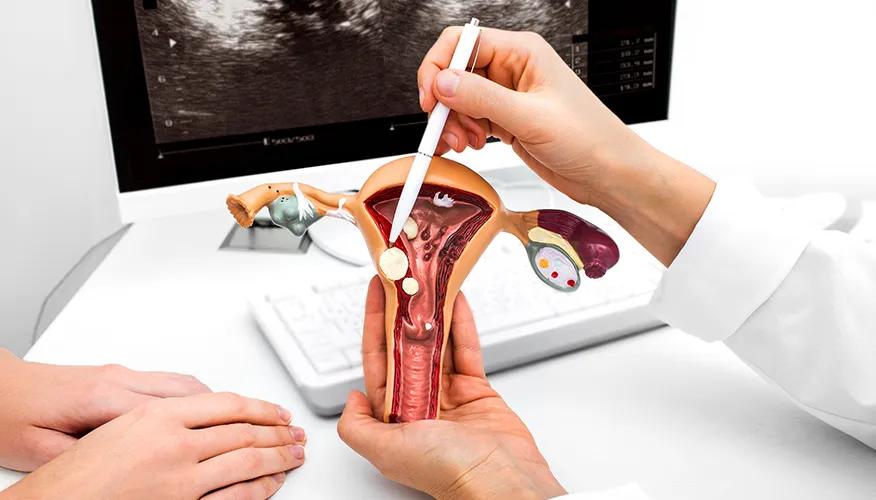
Another common problem that diabetes might lead to is the occurrence of vaginal dryness. Elevated blood sugar levels may also cause damage to the blood vessels in the skin of the vagina, resulting in reduced lubrication. Consequently, sexual intercourse might become painful and you may have reduced libido (the drive to have sex).
Tips to Tackle
It is essential to have a conversation with your doctor for any sexual problems you may be having. Based on your specific problem, you may need to:
- Use a lubricant to address vaginal dryness caused by diabetes as a lubricant can make sex less painful.
- If you have low libido, consult your healthcare provider for support and recommendations on how to address it.
Diabetes and Pregnancy
Gestational diabetes occurs during pregnancy. Having high blood sugar levels during pregnancy might be dangerous for the baby as well as the mother. The blood sugar becomes normal after giving birth but its occurrence may increase the risk of type 2 diabetes later on in life for both mother and child.
Thus, controlling blood sugar levels before and during pregnancy is critical for both the mother's and the baby's health.

Tips to Tackle
Diabetes during pregnancy might cause problems, but its risk may be lowered by consulting your doctor regularly during pregnancy and exploring the following options:
- Customised meal plans
- Incorporating regular exercises in your routine to stay active
- Monitoring blood sugars at home regularly.
Diabetes and Menopause
After menopause, the body produces less oestrogen, which might cause uncertain changes in blood sugar levels. Weight gain is common during this time, which may require adjustments in diabetes medications.
Additionally, sleep disturbances from hot flashes and night sweats may make blood sugar management more challenging. You may also experience some sexual problems such as vaginal dryness or nerve damage during this time.
Tips to Tackle
To cope with these issues, consult your doctor to know about strategies to manage menopause symptoms. Since the risk of heart disease increases after menopause, focus on making heart-healthy choices that also benefit diabetes management, such as:
- Maintaining a nutritious and balanced diet
- Staying physically active on a regular basis.

Conclusion
Understanding the unique impact of diabetes on women is crucial for effective management. By actively engaging with healthcare professionals, making lifestyle adjustments, and staying informed about available options, women can navigate the challenges associated with diabetes and lead healthier lives.
Remember, you are not alone in this journey, and with the right support, diabetes may be successfully managed, empowering women to thrive.
Meet our expert

GHBY Team
GHBY TeamMeet our expert
GHBY Team comprises content writers and content editors who specialise in health and lifestyle writing. Always on the lookout for new trends in the health and lifestyle space, Team GHBY follows an audience-first approach. This ensures they bring the latest in the health space to your fingertips, so you can stay ahead in your wellness game.



How was the experience with article?
We'd love to know!