
The onset of diabetes has been considered a significant factor in reducing life expectancy. The progression of diabetes varies among patients and depends on factors such as age, gender, co-existing medical conditions, geographical locations, socioeconomic status, and national healthcare policies.
Lifestyle factors like smoking, physical activity, body weight, and diet affect the incidence, severity, and progression of diabetes collectively affect the life expectancy of patients. As
diabetes is highly prevalent, the enormous evidence available from clinical and basic research comes in handy to assist in the prediction of the life expectancy of diabetic patients.
Many studies utilize public databases, registries, long-term follow-up data, and even life insurance claims to calculate lifespans, associated factors, and mortality rates among patients with diabetes. Types of diabetes & life expectancy
Types of diabetes & life expectancy
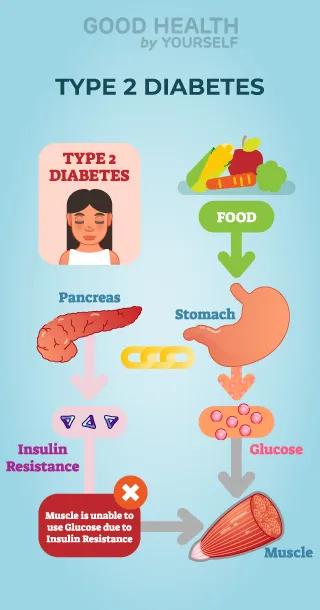
- Type 1 and type 2 diabetes are associated with decreased life expectancy compared to the non-diabetic population. Type 2 diabetes is more prevalent compared to other types of diabetes.
- Patients with type 2 diabetes tend to live longer than those with type 1 diabetes. One of the leading causes of decreased life expectancy in type 1 diabetes is that it starts at an early age, and patients develop and live with its associated complications longer.
- These complications increase with the duration of diabetes and ultimately affect life expectancy. Early diagnosis can delay the development of other diseases associated with diabetes and improve life expectancy.
Causes of decreased life expectancy in diabetes
One of the major causes of complications in uncontrolled diabetes is poor blood circulation. Reduced blood flow (called ischemia) damages organs such as the heart, kidneys, eyes, and nerves. Increased blood sugar levels for a prolonged period cause hypertension, high cholesterol, and kidney injury.
A patient with diabetes usually develops other types of cardiovascular diseases that reduce overall life expectancy. Other factors that contribute to the high mortality rate in people with diabetes are:
- Hypertension
- Cardiovascular diseases
- Kidney diseases and cancer
- Smoking and alcohol intake
- Sedentary life
1. Diabetes with cardiovascular diseases
People with diabetes are at a two-fold higher risk of developing cardiovascular diseases. Men and women with diabetes who are 50 years and older with cardiovascular diseases lived an average of 7.5 and 8.2 years less than patients without diabetes.
2. Diabetes with kidney diseases
Most patients are unaware of the involvement of kidney functions in diabetes. Kidney disease can increase the chance of death by two times in patients with diabetes.
3. Diabetes in cancer patients
In patients with diabetes, cancer of the colon, rectum, breast, uterus, ovary, prostate, kidney, and non-Hodgkin's lymphoma can increase the risk of death by 20–40% compared to cancer patients without diabetes.

Lifestyle factors affecting life expectancy in diabetics
Smoking, physical inactivity, poor diet, and heavy alcohol consumption are well-known risk factors for diabetes and can lead to 7.4–17.9 years’ loss in life expectancy.
After lowering the risk of these lifestyle factors, patients diagnosed with diabetes were shown to live up to 22 years. This was much higher compared to patients who continued to adopt high-risk lifestyles.
The life expectancy of highly physically active non-diabetic people may increase by up to 4 years at the age of 50! This suggests a lower incidence of diabetes in the physically active group, thus reducing the years lost to diabetes.
Physical activity also lowers mortality in diabetic patients. Patients with moderate and high physical activity live longer and do not spend more years with diabetes.
1. Life expectancy in the diabetic smoker
The total life expectancy of non-smokers with cardiovascular disease is eight years longer than their smoker counterparts. Smoking also increases the risk of diabetes and peripheral vascular disease.
Moreover, there are many ways by which smoking reduces healing in diabetic patients. By-products of cigarette smoke, including carbon monoxide and hydrogen cyanide, impede the body’s normal healing and recovery process and reduce blood and oxygen reaching the tissues.
Furthermore, nicotine releases stress-response hormones adrenaline and norepinephrine, which may reduce blood flow to the tissues. Additionally, nicotine may directly impact osteoblasts (bone cells), inhibiting bone repair.
2. Leg amputation in diabetes
In patients with poorly controlled diabetes, chronic hyperglycemia may cause severe damage to various organs leading to diabetes-associated complications, reduced quality of life, and early death.
Diabetic foot is the most common and dreaded complication of diabetes. If not managed early, the diabetic foot may lead to lower-leg amputation. In 2016, the Global Burden of Diseases, Injuries, and Risk Factors Study (GBD) projected that approximately 1.8% of the global population had diabetes-related lower-limb complications, including 6.8 million amputations.
The patients’ survival rate after diabetic amputation may vary from country to country as it depends on multiple factors such as:
- National healthcare policies
- Availability of specialists’ clinics
- Medical resources
- Dedicated wound and foot care services
- Level of patient education and awareness
- The economic status of patients
3. Diabetic Coma
Coma, though a rare situation, may occur in people with diabetes if the condition of very low or very high blood glucose levels persists longer and is not managed adequately.
Severe hypoglycemia, i.e., deficient blood glucose levels, can make you unconscious and lead to coma. Low blood glucose levels may happen due to the following reasons:
- Insulin overdose
- Sudden depletion of glucose due to extensive exercise
- Alcohol intake in an already hypoglycemic state
Typically, the body tries to restore and raise blood sugar levels by releasing a hormone called glucagon. However, if you do not seek immediate medical help and address hypoglycemia timely, you can develop severe complications, resulting in a coma.

The following tips can help prevent unconsciousness and diabetic coma from occurring:
- Spread awareness among patients and family members about the symptoms and consequences of high and low blood glucose levels
- Monitor blood sugar levels regularly, especially during illnesses, infections, before and after workouts, and traveling
- Restrict alcohol intake and avoid it as much as possible
- If you exercise at night, check sugar levels before retiring to bed to prevent hypoglycemia (especially if taking insulin or sulfonylureas)
- Test for ketones if blood glucose levels are high (for type 1 diabetes patients) Tips to improve life expectancy in diabetes
Tips to improve life expectancy in diabetes
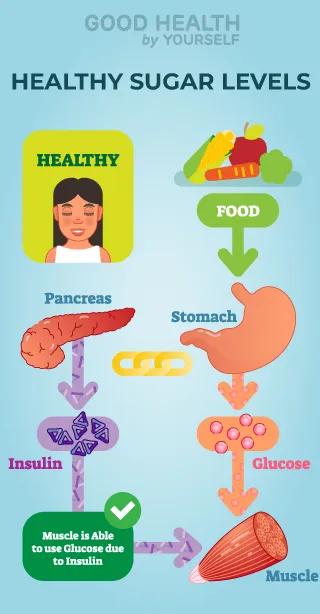
Timely diagnosis and effective management can prevent the many complications of uncontrolled diabetes.
There are some ways in which people with diabetes can improve their quality of life and life expectancy:
- Discuss with your doctor regarding a proper diet plan and follow it strictly.
- Have medications as advised by the doctor without fail.
- Exercise regularly to protect yourself from heart diseases, stabilizes your blood sugar levels, and helps you to lose excess weight.
- Protect yourselves from infection. Infections in diabetic patients can be life-threatening if not treated adequately.
- Get your blood sugar and blood pressure checked regularly as it can help you avoid diabetic complications and improve life expectancy.
- Meditate to manage your stress levels. Stress levels are triggers of both diabetes and hypertension.
- Avoid excessive fasting as it can cause complications like hypoglycemia-induced coma and diabetic ketoacidosis.
- Whenever you are feeling sick, don’t hesitate to visit your doctor.
- Stop habits like smoking and alcohol consumption. Most diabetic patients who undergo leg amputation are smokers.
Conclusion
Diabetes is a serious condition that can lead to life-threatening complications and impair the overall quality of life. By actively following doctors’ suggestions and effective management from the beginning, people with diabetes can improve their lives and live longer.
Increasing awareness about the condition, sticking to the treatment plans, maintaining an active lifestyle, eating a healthy diet, refraining from alcohol and smoking, receiving prompt treatment for infections, and looking out for other associated conditions like cardiovascular disease are a few ways in which people with diabetes can improve their health and overall well-being.
Deriving emotional support and motivation from family members and friends can also go a long way in stabilizing the physical and mental health of patients with diabetes.
Meet our expert

Meet our expert
A Doctor of Medicine (MD) in Pharmacology., currently based in Mumbai, India, Dr Pramod Mane, comes with an experience of more than 20 years of working in Medical Affairs in the Pharmaceuticals & Nutraceutical Industry. Director of Medical Services at Mega Lifesciences since 2008, Dr Mane has been associated with several MNCs in the areas of Medical Affairs, Medical Services, Medico-marketing, Pharmacovigilance & Clinical trials in his illustrious career.



How was the experience with article?
We'd love to know!