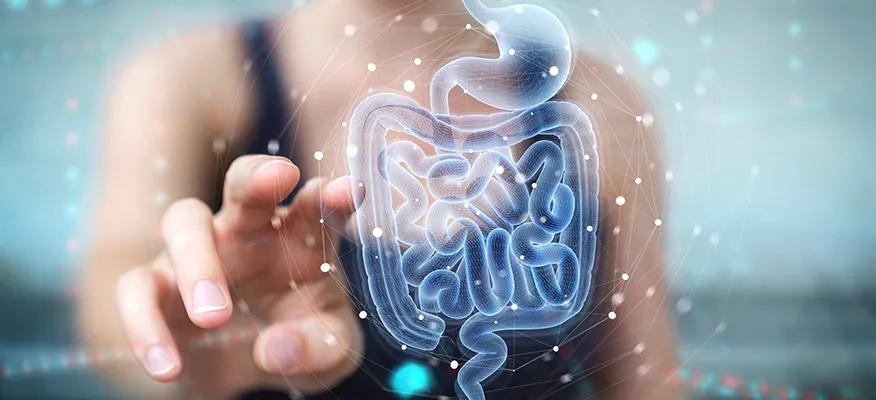
Understanding Diabetes and Normal Gut Health
In healthy people, the sugar from the food we eat is absorbed by the blood and released into the body cells to generate energy. When you have diabetes, the body cells cannot use up the sugar in the bloodstream, causing high blood sugar. This, in the long run, is harmful to many organs in the body, such as the heart, kidneys, and digestive system.
Your stomach, intestines, and colon are the parts of your gastrointestinal system, or "gut". They work hand in hand and assist in digesting the food, absorbing the nutrients from the food, and expelling the remaining waste out of the body. The bacteria and other microbes in our gut, collectively referred to as the gut microbiome, assist in breaking down food so that your body can utilise the nutrients. Poor gut health is indicated by symptoms such as diarrhoea, constipation, heartburn, gas, or bloating.

Let us see how diabetes affects gut health.
Effects of Diabetes on Gut Health
Diabetes can affect the digestive system in many ways. Individuals with poor blood sugar control may have neuropathy (nerve damage) related to the gastrointestinal system and other gut problems as seen below. With better sugar control, gut diseases of diabetes are often avoidable or manageable.

Gastrointestinal conditions that are a frequent consequence of diabetes include:
1. Gastroparesis
- A person with gastroparesis has delayed stomach emptying due to decreased or impaired peristalsis (movement of the intestines). It is believed that nerve damage (due to diabetic neuropathy) is the primary cause of gastroparesis.
- Individuals with gastroparesis may have a "stuffed" feeling due to delayed stomach emptying, bloating, discomfort, or pain. Heartburn, lack of appetite, nausea, and vomiting are some more symptoms of gastroparesis.
- If you have any of these signs, you should consult your doctor so you can treat gastroparesis and prevent it from getting worse.
2. Non-alcoholic Fatty Liver Disease (NAFLD)
- The term "non-alcoholic fatty liver disease" is used to describe liver damage similar to that caused by alcohol in a person who has no history of heavy alcohol use. Type 2 diabetes and obesity are frequently linked to NAFLD.
- NAFLD often has no symptoms. Some people with NAFLD may feel unwell or have fullness in the upper right side of their abdomen. Individuals with NAFLD may present with a variety of signs, from slight liver enzyme elevation to severe liver disease with fibrosis.
3. Enteropathy
- Intestinal enteropathy may occur due to decreased or impaired intestinal movements brought on by nerve damage in individuals with diabetes and may manifest as diarrhoea, constipation, or faecal incontinence.
4. Gastroesophageal Reflux
- Gastroesophageal reflux is also caused due to nerve damage related to diabetes and could result in abnormal peristalsis of the oesophagus (food pipe), spontaneous contractions, and change in muscle tone of its lower opening (sphincter).
- Its symptoms include heartburn and difficulty swallowing. Obesity and high blood sugar levels are the other potential contributors to reflux in people with diabetes.
Individuals with diabetes are also more likely to develop other gastrointestinal conditions like hepatitis C (liver infection) and pancreatic cancer. If you experience new or persistent stomach issues, always visit your doctor.

Conclusion
For people with diabetes, gut health is particularly important. You could improve the health of your gut by:
- Consuming a balanced amount of probiotic-rich foods (probiotics are the good microorganisms that live in our body), high-fibre meals, and healthy foods such as vegetables, fruits, nuts, whole grains and legumes. You can better understand your dietary and nutritional needs with the aid of a qualified dietitian.
- Drinking enough water throughout the day to keep your stomach healthy. Water helps the digestive system function normally and aids in the proper functioning.
- Maintaining your blood sugar levels in the target range.
- Inform your physician of any prescription or over-the-counter dietary supplements or medicines you are taking.
- Consult your doctor if the medications you are taking seem to be making your digestive issues worse.
- Stop smoking if you smoke.
- Limit or stay away from alcohol.
- Get 150 minutes or more of exercise per week.
An imbalance in the gut microbes may weaken the immune system, thus increasing the risk of infection or inflammation. Since diabetes also places a person at risk of several health conditions, it is of utmost importance that individuals with diabetes keep their gut healthy to prevent adding to their disease burden.
Meet our expert

Meet our expert
Dr. Irina Borisovna Stefanenko, a medical doctor based in Ukraine, graduated from Vinnitsa State Medical University in 1995. Between 1995 and 2000, Dr. Stefanenko pursued postgraduate studies and engaged in scientific activities at Vinnytsa Medical University in Ukraine.



How was the experience with article?
We'd love to know!