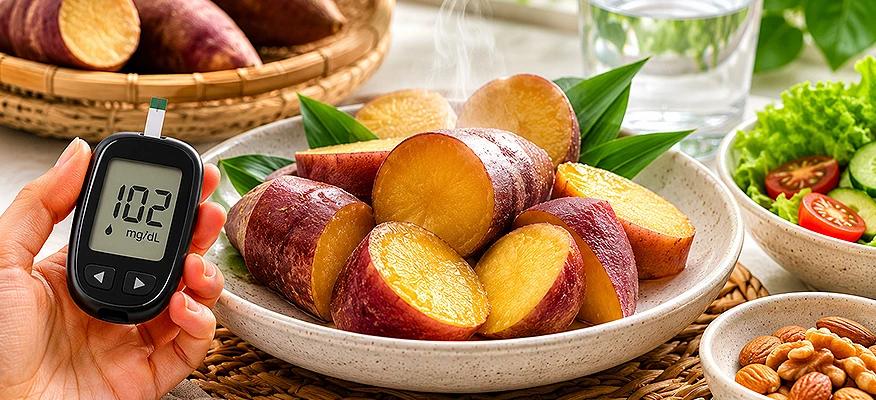
Yes, camote (sweet potato) can be a healthy food choice for people with diabetes when eaten in moderation and prepared using diabetes-friendly cooking methods.
Boiled or steamed camote typically has a lower glycemic index than baked, roasted, or fried versions, meaning it is digested more slowly and is less likely to cause rapid blood sugar spikes.
In addition to providing complex carbohydrates, camote contains fiber, potassium, and antioxidants that support overall health. However, portion size remains important because camote is still a carbohydrate-rich food that can raise blood glucose levels if eaten in excess.
Many people assume that camote's natural sweetness makes it unsuitable for diabetes. In reality, its impact on blood sugar depends largely on how it is cooked, how much is consumed, and what it is eaten with. Understanding these factors can help people with diabetes enjoy camote as part of a balanced meal without compromising blood sugar control.
Quick answer:
Camote can be suitable for people with diabetes when consumed in moderate portions. Boiled or steamed camote generally has a lower glycemic index than fried or baked versions, helping reduce rapid blood sugar spikes. Pairing camote with protein, healthy fats, or fibre-rich foods may further support blood sugar management.
What is camote?
Camote, scientifically known as Ipomoea batatas, is a starchy root vegetable that ranks among the most nutritious subtropical and tropical vegetables. Unlike its white potato cousin, sweet potatoes have been used in traditional medicine practices for managing type 2 diabetes for generations across Southeast Asia, East Africa, and many other regions.
This vibrant root vegetable is distinct from regular white potatoes both nutritionally and in its carbohydrate composition. While both are starchy vegetables, camote offers a unique nutritional profile that makes it particularly interesting for diabetes management strategies.
The vegetable grows underground as the storage root of the sweet potato plant, developing its characteristic sweet flavor and dense texture as it matures. Its natural sweetness comes from complex carbohydrates rather than simple sugars, which play a crucial role in how it affects blood sugar levels.
Nutritional value of camote (per 100g, cooked, approx.)
The values below are based on USDA and nutrition databases for cooked sweet potato; %DVs are for a 2,000-calorie diet.
| Nutrient | Amount per 100 g cooked | % Daily Value (approx.) |
|---|---|---|
| Energy | ~82 kcal | 4 % |
| Protein | ~1.7 g | 3 % |
| Total Fat | ~0.4 g | <1 % |
| Total Carbohydrate | ~18 g | 7 % |
| Dietary Fiber | ~3.1 g | 11 % |
| Sugars | ~6.3 g | — |
| Vitamin A (RAE) | ~702 µg | ~78 % |
| Vitamin C | ~2.4 mg | ~3 % |
| Calcium | ~23 mg | ~2 % |
| Iron | ~0.4 mg | ~2 % |
| Potassium | ~506 mg | ~11 % |
| Magnesium | ~20 mg | ~6 % |
| Vitamin B6 | trace/≈0.2 mg | ~12 % |
| Folate (B9) | ~11 µg | ~3 % |
| Manganese | trace/≈0.3 mg | ~8–13 % |
Note: This profile reflects cooked sweet potato without added oil, fat, or salt. Actual nutrient content can vary slightly by variety (orange, purple, white) and cooking method.
Different varieties of sweet potato
Different varieties offer distinct nutritional profiles and flavors:
- Orange-fleshed varieties are the most common type, rich in beta-carotene that gives them their vibrant color. These provide exceptional vitamin A benefits and have a naturally sweet flavor.
- Purple varieties contain anthocyanins, powerful antioxidants with anti-inflammatory properties. These compounds give the flesh its deep purple color and may offer additional benefits for managing inflammation associated with diabetes.
- White-fleshed varieties are also nutrient-dense but contain different antioxidant compositions. They tend to have a milder flavor and may be preferred by those who find orange varieties too sweet.
The diversity of sweet potato preparations and varieties means you can choose options that best suit your taste preferences and health goals. Research indicates that various preparations may be effectively incorporated into diabetes management strategies.
Is camote good for diabetic management?
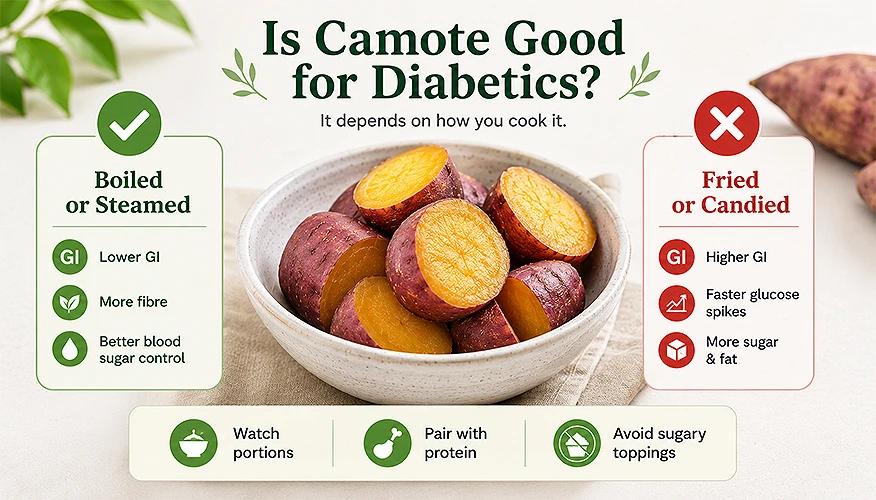
Yes, camote is suitable for people with diabetes when consumed mindfully and in appropriate portions. Despite being higher in carbohydrates than leafy vegetables, sweet potatoes possess characteristics that make them a favorable choice for blood sugar management.
Their combination of a low-to-moderate glycemic index (approximately 54) and high fiber content distinguishes them from other carbohydrate sources, such as white potatoes. The glycemic index measures how quickly foods raise blood sugar levels, and at 54, cause a slower, more gradual rise in blood glucose.
However, note that the GI varies by cooking method: boiling retains a lower, healthier GI, while baking, roasting, or frying significantly increases the GI to 70-94, causing faster blood sugar spikes.
When included as part of a structured meal plan with proper portion control and healthy cooking methods, sweet potatoes can provide significant nutritional benefits without compromising blood glucose control. The key lies in understanding how to incorporate them strategically rather than avoiding them entirely.
Health benefits of camote for diabetics
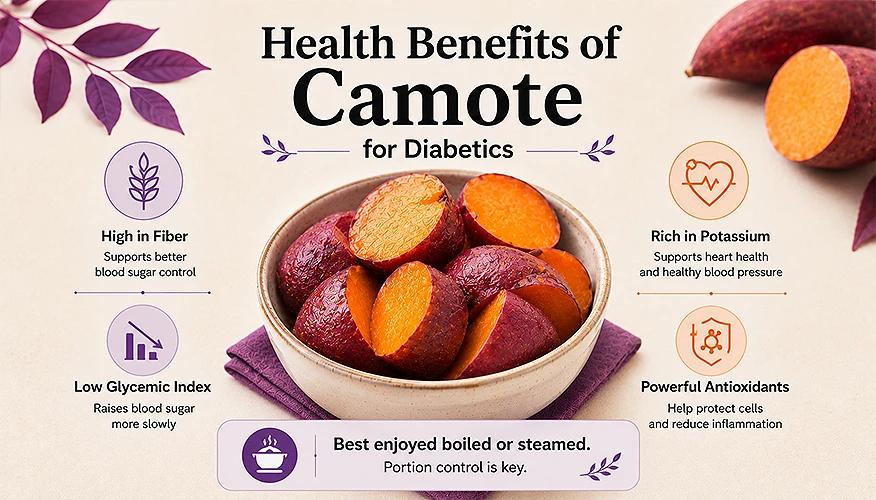
Camote has a long list of benefits for people with diabetes:
1. Blood sugar regulation and glycemic control
- The soluble fiber found in sweet potatoes slows carbohydrate digestion, leading to a more gradual release of glucose into the bloodstream. This property prevents sudden spikes in blood sugar after meals, a critical concern for individuals with diabetes.
- Research demonstrates that white-skinned sweet potato preparations at a dose of 4 g/day produced statistically significant improvements in glycosylated hemoglobin A1c (HbA1c) levels, with a mean reduction of 0.3% compared with placebo over three to five months.
- HbA1c reflects average blood sugar levels over the past 2-3 months, making this a meaningful marker of improved diabetes management.
2. Anti-inflammatory and antioxidant properties
- Chronic inflammation is a hallmark of diabetes progression, contributing to complications and making blood sugar management more challenging.
- Sweet potatoes contain various antioxidants, including vitamin C and beta-carotene, that reduce inflammatory markers and lower oxidative stress.
- Beyond glycemic control, sweet potatoes have demonstrated anti-sclerotic, antihypertensive, and cardioprotective effects in research models. These attributes are particularly relevant for people with diabetes who face elevated risks of cardiovascular complications.
3. Weight management support
- The fiber and complex carbohydrates in sweet potatoes promote satiety, helping you control portion sizes and prevent overeating.
- Weight management is crucial for diabetes control, as it directly impacts insulin sensitivity and blood sugar regulation.
- This satiety effect makes sweet potatoes a practical choice for managing weight alongside blood glucose levels, two goals that often support each other in diabetes care.
4. Steady energy release
- The complex carbohydrates in sweet potatoes are digested more slowly than simple sugars, providing a gradual release of glucose into the bloodstream and preventing energy crashes.
- This steady energy supply supports consistent physical activity and metabolic stability throughout the day.
How do sweet potatoes affect blood sugar levels?
Sweet potatoes have a low-to-moderate glycemic index, which means they cause a slower and steadier rise in blood sugar levels compared to high-GI foods. The mechanism behind this favorable response involves several factors working together.
Soluble fiber slows sugar absorption from the digestive tract, preventing rapid glucose spikes. Think of it like a natural speed bump for sugar entering your bloodstream; it gets there, but at a manageable pace.
The complex carbohydrate structure requires more time to break down and absorb compared to refined carbohydrates. Your digestive system has to work harder to release the sugars, which naturally spreads out the release of glucose over time.
Can diabetics eat camote daily?
The evidence suggests that camote can be included in daily diabetic diets, provided portion control and preparation methods are carefully managed. Research on sweet potato preparations demonstrates safety and efficacy over extended periods of three to five months, indicating that consistent inclusion is feasible.
However, "daily" consumption should be understood within the context of balanced meal planning rather than unrestricted intake. Given that some sweet potatoes are very large, making it easy to consume excessive portions, selecting medium-sized potatoes and combining them with other healthy foods in meals is essential.
The high carbohydrate content necessitates mindful incorporation into overall daily carbohydrate allowances, particularly for individuals on carbohydrate-counting regimens or those taking insulin that requires carbohydrate matching.
Tips for diabetics for managing blood sugar spikes from sweet potatoes
Here are some tips to keep in mind while consuming camote as a person with diabetes.
- Control your portions carefully: Always opt for a medium-sized sweet potato rather than large varieties, which can inadvertently lead to overconsumption. Aim for portions that fit within your individual carbohydrate targets, typically 1/2 to 1 cup of cooked sweet potato per serving.
- Choose healthy cooking methods: Boiling and steaming preserve nutrients while avoiding added fats that can slow digestion and complicate blood sugar management. Avoid deep-frying or adding excessive butter, cream, or sugary toppings, as these can negate the natural benefits.
- Combine with protein and healthy fats: Pairing sweet potatoes with lean proteins such as fish, chicken, or legumes, along with healthy fats like nuts, seeds, or plant-based oils, further slows glucose absorption and enhances satiety.
- Monitor your individual response: Blood glucose monitoring before and 2-3 hours after consuming sweet potatoes helps you understand your personal glycemic response, as responses can vary based on portion size, preparation method, and individual metabolic factors.
- Include other vegetables: Incorporating non-starchy vegetables alongside sweet potatoes increases fiber intake and nutrient density while moderating the meal's overall carbohydrate load.
Best ways for diabetics to eat camote
Follow these ways to eat camote:
- Boiled or steamed preparations preserve the vegetable's nutritional integrity without adding unnecessary calories or fats. Simple boiling or steaming preserves natural flavors and nutrients while maintaining predictable effects on blood sugar.
- Roasting with minimal oil provides a satisfying texture while maintaining glycemic benefits. Lightly roasting sweet potatoes with a small amount of heart-healthy oil and herbs creates appealing flavors without compromising diabetes management goals.
- Incorporated into balanced meals works better than consuming sweet potato as a standalone item. Integrate it into meals that include grilled fish or lean poultry, legumes such as lentils or beans, leafy greens or non-starchy vegetables, and a small amount of healthy fat.
- A practical serving size for most individuals with diabetes is approximately 1/2 to 1 cup of cooked sweet potato, adjusted based on individual carbohydrate targets and meal composition.
Camote vs white potato for diabetes
Sweet potatoes provide superior nutritional advantages compared to white potatoes for individuals managing diabetes:
| Characteristic | Sweet Potato | White Potato |
|---|---|---|
| Glycemic Index | Low (~54) | High (>70) |
| Fiber Content | High, including soluble fiber | Lower overall fiber |
| Antioxidants | Rich in beta-carotene and anthocyanins | Minimal antioxidant content |
| Nutrient Density | Vitamins A, C, B6; manganese, copper | Primarily starch and potassium |
| Blood Sugar Impact | Slower, steadier rise | Rapid spikes |
| Suitability for Diabetes | Better nutritional option | Less ideal for blood sugar control |
White potatoes have a higher glycemic impact and lack the protective antioxidants and soluble fiber that characterize sweet potatoes, making sweet potatoes the more suitable choice for diabetic dietary management.
Potential concerns of eating sweet potatoes in diabetics
Keep these concerns in mind while eating camote:
- Carbohydrate content remains significant: Despite their favorable glycemic index, sweet potatoes are higher in carbohydrates than many other vegetables. Individuals on strict carbohydrate-counting regimens must account for this content within their daily allowances to prevent blood sugar elevations.
- Portion size variability can be problemati: Large sweet potatoes can lead to unintended overconsumption, potentially negating the benefits of their low glycemic index. Selecting appropriately sized potatoes and pre-portioning helps maintain consistency.
- Preparation methods matter significantly: Cooking methods influence glycemic response substantially. Preparations that include added sugars, fats, or cream can compromise the benefits for blood sugar management and should be avoided.
In clinical research, adverse effects were mostly mild and included abdominal distension and pain in some study participants. These effects are generally manageable and not serious, but worth noting for individuals with sensitive digestive systems.
Who should be careful with camote?
Individuals with severe kidney disease may need to limit potassium intake, and sweet potatoes contain meaningful amounts of this mineral. Medical guidance is essential in such cases to avoid complications.
People with known sweet potato allergies should avoid consumption entirely. Though rare, individuals with documented allergies or severe sensitivities can experience serious reactions.
Those with uncontrolled diabetes whose blood sugar levels remain poorly controlled despite medication and dietary intervention should work with healthcare providers to determine appropriate sweet potato quantities before independent inclusion in their diet.
Individuals on specific medication regimens that affect carbohydrate metabolism or potassium balance should consult healthcare providers regarding the frequency and portion sizes of sweet potato consumption to avoid drug interactions.
Can camote help prevent diabetes?
While research specifically investigating sweet potato consumption for diabetes prevention in humans is limited, available evidence suggests potential preventive benefits.
Sweet potatoes have demonstrated anti-sclerotic, antioxidative, and anti-inflammatory effects in research models, all of which are relevant to diabetes prevention mechanisms. Chronic inflammation and oxidative stress are recognized risk factors for the development of type 2 diabetes.
The high fiber content supports metabolic health and weight management, both protective factors against the development of diabetes. However, preventing diabetes involves multifaceted lifestyle changes, including physical activity, overall dietary quality, stress management, and maintaining a healthy weight.
Sweet potatoes alone cannot prevent diabetes, but may serve as part of a comprehensive preventive dietary approach when combined with other healthy lifestyle practices.
Tips to include camote in a diabetic diet
- Start with smaller portions if you're new to including sweet potatoes in your diabetes management plan. Begin with 1/2 cup servings to assess your individual glycemic response before increasing portions.
- Plan meals around sweet potatoes rather than adding them to existing meals. Construct meals that include sweet potato as one component, alongside proteins, healthy fats, and non-starchy vegetables, for optimal blood sugar management.
- Choose cooking methods wisely: Prioritize boiling, steaming, and light roasting. Avoid preparations with added sugars, cream sauces, or excessive salt that can complicate diabetes management.
- Monitor your blood sugar response: Track blood glucose levels 2-3 hours after consuming sweet potato meals to understand your personal glycemic patterns and adjust portions accordingly.
- Account for total carbohydrates: Include sweet potato carbohydrates in your daily carbohydrate-counting or meal-planning systems to maintain overall blood sugar targets and medication timing.
- Pair with fiber and protein: Combine sweet potatoes with legumes, fish, poultry, nuts, or seeds to enhance satiety and moderate glucose absorption for better overall blood sugar control.
Conclusion
Is camote good for diabetic management? The evidence strongly suggests yes, when consumed thoughtfully as part of a balanced approach to diabetes care. Sweet potatoes offer a nutritionally dense option with a low glycemic index, high soluble fiber content, and a rich antioxidant profile that supports blood sugar regulation and reduces inflammation.
The key to success lies in portion control, healthy preparation methods, and thoughtful meal composition that pairs sweet potatoes with proteins, healthy fats, and non-starchy vegetables. While sweet potatoes cannot prevent or cure diabetes on their own, they are a valuable component of comprehensive dietary management alongside physical activity, weight management, and medication adherence.
Individual glycemic responses vary, making personal blood sugar monitoring essential when incorporating any new food into diabetes management plans. Healthcare providers remain the best resources for personalizing sweet potato inclusion within your specific diabetes care strategy.
Meet our expert

Meet our expert
Ng Juby is a Registered Nutritionist under the Allied Health Professional Act 774, holding
a Bachelor of Science (Hons) in Nutrition with Wellness from UCSI University.



How was the experience with article?
We'd love to know!