The true story between inflammation and us
Inflammation is a protective mechanism of our body. It plays an essential role in healing and injury repair to keep our bodies safe and healthy. However, there's a thin line between protective and overprotective. Excessive inflammation in the body crosses that line. At this point, inflammation starts harming our normal body functioning. The important thing to understand is that inflammation is usually a sign that something is wrong with our bodies. The underlying cause needs to be identified.
Inflammation for long periods can play a role in various diseases. Within our gut, inflammation can cause a host of unwanted health symptoms, from chronic constipation and fatigue to irregular periods.
Chronic or low-grade inflammation can lead to a number of problems like:
- Alzheimer's and other forms of dementia
- Cancer
- Anxiety and depression
- High blood pressure, heart disease, and stroke
- Type 2 diabetes
- Allergies and asthma
- Skin conditions like acne, eczema, and psoriasis
- Arthritis
Many studies have been conducted to understand the link between our dietary habits and inflammation. Certain foods increase inflammation, while others prevent it. Let's have a look at what these are.

Pro-inflammatory foods: What to steer clear of
They say we are what we eat. We can safely say that what we eat can greatly impact the levels of inflammation in our bodies. Some can increase the risk of inflammation in our bodies. One must avoid them as much as possible. Here's a list of some pro-inflammatory foods, which can also affect our weight and overall health.
- refined carbohydrates, such as white bread and pastries
- French fries and other fried foods
- soda and other sugar-sweetened beverages
- red meat (burgers, steaks) and processed meat (hot dogs, sausage)
Weight gain itself can increase the risk of inflammation. So, watch out for these foods and your weighing scale!

Anti-inflammatory foods: Foods to embrace
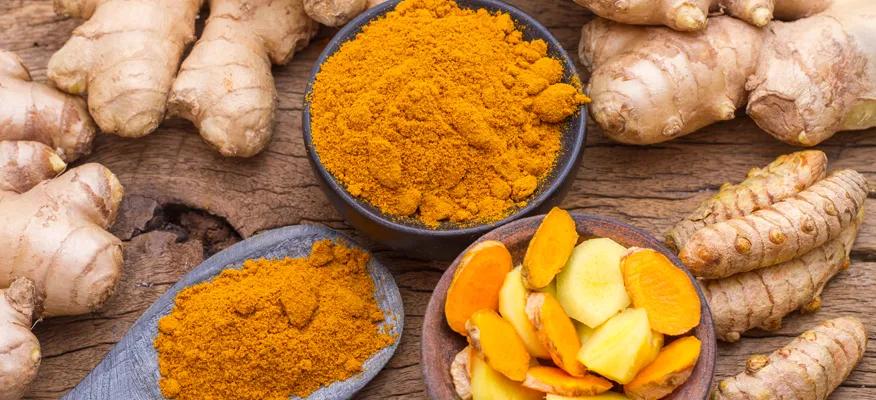
To ward off excessive inflammation in our body, the best tip would be to follow a natural and healthy diet. Staying away from processed and fried foods is a good start. Instead, start adding more fruits and vegetables to your diet. It is believed that eating food rich in antioxidants can help bring down inflammation levels. This includes foods like berries, cherries, plums, red grapes, onions, turmeric, green tea, and dark green leafy vegetables like spinach.
Making changes to your diet is not an easy task. However, if you are at risk of excess inflammation, this could become a necessity. Controlling your food intake, exercising regularly, and keeping your weight in check can keep you safe from the more harmful side of inflammation.
Meet our expert

Meet our expert
Dr Sintayehu Abebe is a Consultant Internist and Interventional Cardiologist at the Addis Ababa University. The young and energetic Dr Abebe who is always keen on learning new things is also President of the Ethiopian Society of Cardiac Professionals (ESCP).



How was the experience with article?
We'd love to know!