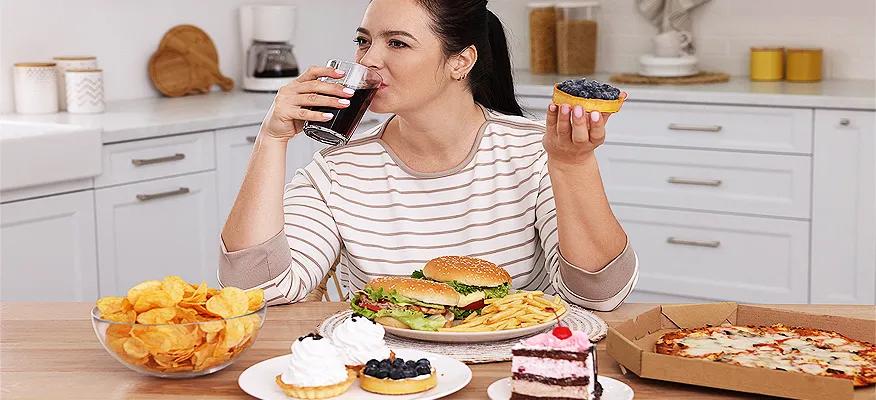
We often go about our day reaching for the foods we know and love: a quick bowl of cereal in the morning, that creamy pasta at lunch, a packaged snack to tide us over in the evening. These are our comfort foods, our staples, our easy fixes.
It’s easy to think that serious health risks come from extreme habits. Heavy smoking, excessive drinking, or a complete lack of exercise. But what if the real danger was hiding in plain sight... on your plate?
What if the food on your plate could be silently increasing your cancer risk? While genetics and family history do influence cancer risk, your lifestyle choices often play an even bigger role. Studies show that 80 to 90% of malignant tumors are connected to external, controllable factors like diet, activity levels, and environmental exposures (carcinogens).
A Harvard gastroenterologist also confirms the same: the risk of cancer is not just genetics or environmental toxins; your everyday diet plays a huge role. Certain foods can promote chronic inflammation, trigger hormone-driven cancers, and even directly damage DNA.
Here’s a breakdown of the foods that cause cancer and what you can eat instead to protect your health.
First, What’s the gut-cancer connection?
When we think about cancer risk, we often focus on genetics, lifestyle habits, or environmental factors. But what many people overlook is the crucial role the gut plays in overall health and how imbalances in the gut microbiome can quietly set the stage for disease.
Your gut houses trillions of microbes that help break down food, regulate inflammation, and keep harmful invaders in check. But when the gut lining is constantly irritated—often by certain inflammatory or ultra-processed foods—it can lead to chronic inflammation, weakened immunity, and over time, a higher likelihood of cell damage and mutations.
In short: an unhealthy gut doesn’t just mean bloating or discomfort—it could mean a greater risk of something much more serious.
Why diet matters: foods that cause cancer
What you eat affects more than just your weight or cholesterol. A poor diet can spark chronic inflammation, disrupt hormone levels, and introduce carcinogenic compounds that can contribute to cancer growth.
- Studies have shown that certain foods that cause cancer are often found in daily diets.
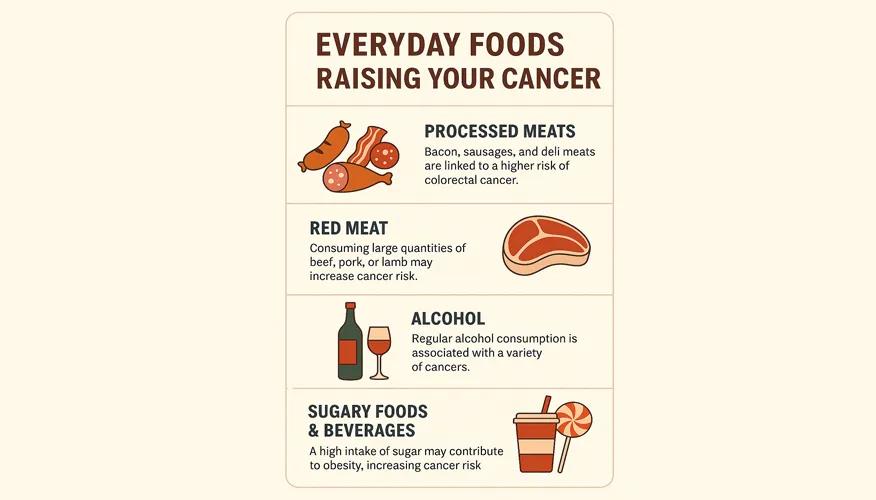
- Ultra-processed foods are factory-manufactured, packaged foods (frozen pizza, microwave meals, chips, pastries, cupcakes, muffins, processed meat, sugar-sweetened beverages). The World Health Organization categorizes processed meat, which often includes hot dogs, deli food, and sausage, as a Group 1 carcinogen.
- According to Cancer Research UK, a healthy, balanced diet helps to lower cancer risk by supporting a healthy weight.
- Cut back on processed/red meats, alcohol, high-fat, high-sugar, deep-fried, and salty foods. Remember, your overall diet matters more than any single food.
- Healthier swaps are fruits, vegetables, whole grains, lean proteins, tofu, edamame, tempeh, and pulses.
Ultra-processed foods & chronic inflammation
- Ultra-processed foods (UPFs) such as packaged snacks, instant noodles, sugary cereals, and ready meals are typically low in nutrients and often contain additives, preservatives, and artificial flavors.
- Many of these UPFs are also high in saturated fat, salt, and sugar (also known as HFSS foods) and can contribute to weight gain and obesity if consumed often.
- These foods can trigger chronic inflammation, impair gut health, and increase oxidative stress, all contributing to cancer risk.
- The World Cancer Research Fund (WCRF) advises avoiding processed meats such as ham, bacon, hot dogs, and sausages as they pose a cancer risk. These meats are preserved through smoking, curing, or chemicals.
- Research shows that 10% increase in UPF consumption was linked to a 19% increase in ovarian cancer cases, a 2% increase in overall cancer cases, and an increased mortality rate.
- UPFs are also associated with increased breast cancer risk.
- Children should avoid processed meats as early habits often last. Healthier options include lean proteins or low-fat cheese.
Are you eating UPFs?
To spot ultra-processed foods, check for additives not found in a kitchen. These are used to enhance flavor, texture, shelf life, or nutrition.
Common additives include:
- Artificial sweeteners: Aspartame, Acesulfame K, Sorbitol
- Artificial colours: Sunset Yellow (E110), Caramel (E150a), Paprika Extract (E160c)
- Emulsifiers & thickeners: Xanthan gum, Carrageenan, Lecithin
- Preservatives: Sodium nitrite, Potassium lactate, Natamycin
Seeing multiple additives on the label is a strong sign that the product is ultra-processed.
Are All UPFs Unhealthy?
Not all ultra-processed foods are unhealthy. Some provide essential nutrients such as fiber, vitamins, and minerals, and can be part of a balanced diet; they don’t need to be avoided entirely.
Deep-fried foods and cancer risk
- Are you someone who hogs French fries, fried chicken, or crispy snacks? Then pause!
- Foods fried at high temperatures, especially those cooked in reused oils, can produce acrylamide, a compound linked to cancer in studies.
- When starchy foods such as potatoes or cereals are cooked above 120°C, the Maillard reaction creates acrylamide, a potentially harmful chemical.
- The International Agency for Research on Cancer (IARC) classified AA as a potentially carcinogenic substance for humans, as it possibly causes DNA damage and gene mutation.
- Regular consumption of deep-fried foods not only increases chronic inflammation but also contributes to weight gain and insulin resistance, and diabetes, all linked to cancer development.
Charred or burnt meats damage DNA
Are you a fan of grilled or barbequed foods? It can sure be delicious, but do you know its other side?
- Grilling, charring, or smoking meat at high temperatures can create harmful chemicals such as heterocyclic aromatic amines (HAAs) and polycyclic aromatic hydrocarbons (PAHs).
- Studies show it can damage DNA and is linked to several cancers, including colorectal, liver, and breast cancer.
- To reduce the cancer risk, opt for healthier methods like steaming, boiling, poaching, stewing, casseroling, braising, baking, microwaving, and roasting.
- Red meat also raises the risk of bowel cancer. The IARC found that eating 50g of processed meat or 100g of red meat daily increases the risk of colon cancer by about 18% compared to those who eat little or none.
- The WCRF recommends cooked red meat to under 500g per week, especially for men.
Alcohol and hormone-driven cancers
Alcohol is often underestimated when it comes to cancer risk. It's a known carcinogen.
- Alcohol (even small amounts) increases the risk of cancers in the mouth, throat, esophagus, breast, bowel, and liver, especially in smokers.
- When you consume alcohol, your liver breaks down alcohol into acetaldehyde, a carcinogenic compound that promotes DNA damage and oxidative stress.
- Drinking even small amounts of alcohol can fuel hormone-driven cancers like breast and liver cancer in women.
- Even moderate drinking can raise cancer risk over time.
- According to the American Cancer Society's Guideline for Diet and Physical Activity for Cancer Prevention, it is best “not to” drink alcohol.
Sugary drinks fuel inflammation & cancer growth
Sweetened drinks are easy to grab, cheap, and commonly available. They include soft drinks, energy drinks, sports drinks, fruit drinks, and flavored mineral waters. You may have it to quench your thirst, but at what cost?
- Sugar-sweetened beverages such as soda, energy drinks, and some packaged fruit juices cause blood sugar spikes and contribute to chronic inflammation.
- Sugars are listed in the foods that cause cancer, as they cause obesity, inflammatory and oxidative stress, and insulin resistance.
- A 2020 study concluded that total sugar intake was associated with higher overall cancer risk (overall, breast, and prostate).
- Diets high in refined starch and refined sugar may increase the risk of stomach cancer and bowel cancer.
Healthier swaps to lower the risk of cancer
Now that we have covered foods that cause cancer, let’s explore healthier swaps to reduce the risk.
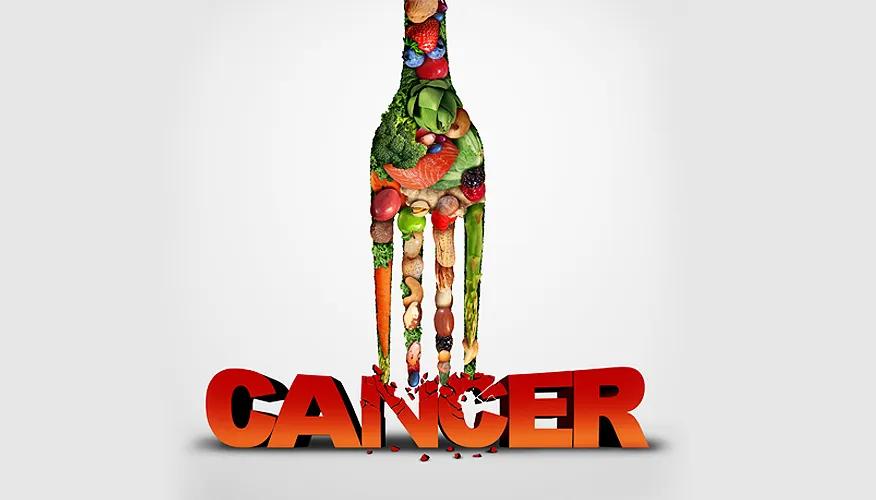
The American Institute for Cancer Research and the American Cancer Society recommend a whole-food, plant-predominant diet.
- Wholegrains (steel-cut oats, quinoa, brown rice, and barley). They are rich in fiber, antioxidants, and plant compounds that reduce the risk of colorectal cancer. They help regulate blood sugar, support gut health, and reduce systemic inflammation.
- Eat a variety of colorful vegetables, salads, leafy green vegetables, carrots, and cruciferous vegetables like broccoli, cabbage, Brussels sprouts, bok choy, and other Asian greens.
- Whole fruit (not fruit juice), especially citrus fruits (such as oranges, grapefruit, lemons, limes)
- Beans are minimally processed and packed with nutrients. Legumes like soybeans, peas, and lentils are rich in fiber, protein, and vitamins B and E. They also contain flavonoids and antioxidants that may help prevent tumor growth and protect against colon cancer.
- Soy foods are safe for all cancer patients and are an excellent source of plant protein. Studies show soy may improve survival after breast cancer.
- Aim to fill three-quarters of your plate with the above foods, and the rest with healthy proteins like tofu, eggs, fish, or lean meat.
- If you eat red meat, limit it to three portions a week, and avoid processed meats to lower your risk of bowel cancer.
- Plan your week and do meal planning to avoid ultra-processed food. It saves money, improves portion control, and boosts diet quality.
- Use convenient, healthier UPFs like veggie-based sauces, low in fat, salt, and added sugar. Batch cooking also helps make extra portions to freeze for busy days.
The Eatwell Guide outlines 5 food groups and shows how much of each to eat for a balanced diet. It helps ensure you get a variety of foods and nutrients daily.
Conclusion
Cancer prevention isn’t just about avoiding foods that cause cancer. It’s about consistently choosing better ones that nourish your body well, reduce obesity, and increase your body’s immunity. Maintaining a healthy body weight may reduce the risk of many cancers.
Minimise ultra-processed, deep-fried, charred meats, alcohol, and sugary drinks, and replace them with whole grains, plant-based meals, and nutrient-dense foods to lower your cancer risk.
Eating healthy is not always boring! These healthy swaps can protect you from chronic inflammation and hormone-driven cancer. Your plate is your power.
Meet our expert

Meet our expert
Dr Adwoa Agyei-Nkansah is a fellow of the West African College of Physicians, a fellow of the Royal College of Physicians, London and a member of the American College of physicians.
How was the experience with article?
We'd love to know!