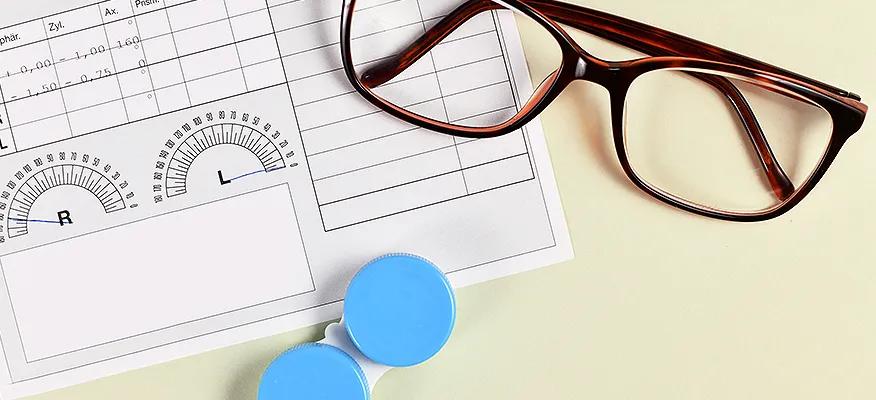
Eyesight power usually needs proper correction with glasses or contact lenses, but healthy habits, eye relaxation, nutrition and regular check-ups may support long-term eye health.
Eyesight power refers to the strength of corrective lenses needed to see clearly. While diet, eye exercises and healthy habits may support eye comfort and reduce strain, they usually cannot fully reverse myopia, farsightedness or astigmatism. Regular eye check-ups and proper corrective lenses remain important for clear vision.
Ever squinted at a billboard in the distance or held a book out at arm's length just to make sense of the words? If you have, you're not alone. Living in this beautiful world, our eyes are exposed to a whirlwind of colors, shapes, and distances every day. However, what happens when these images start to blur and become less defined? That's when we know that our eyesight power might be getting weaker.
Increasing numbers of people today rely on power glasses or contact lenses to help correct their vision. But wouldn’t it be great if we could learn how to reduce our eyesight power and regain our eye health naturally?
Raise your hand if you have ever thought about improving your eye degree or even conducted an online search for ‘how to reduce eyesight power’. You're in good company! We all dream of sharp, clear vision without assistive lenses.
Eyesight power usually cannot be reduced naturally in a guaranteed way because it is often linked to the shape of the eye, cornea or lens. However, screen breaks, eye relaxation, proper lighting, healthy nutrition, UV protection and regular eye check-ups may help support eye health and reduce strain.
In today's blog, we'll examine this topic and uncover some eye-opening facts about eye power checks, the role of eye exercises for nearsightedness and farsightedness, and more. Are you ready to say goodbye to those pesky power spectacles? Let's begin!
What Is Eyesight Power?
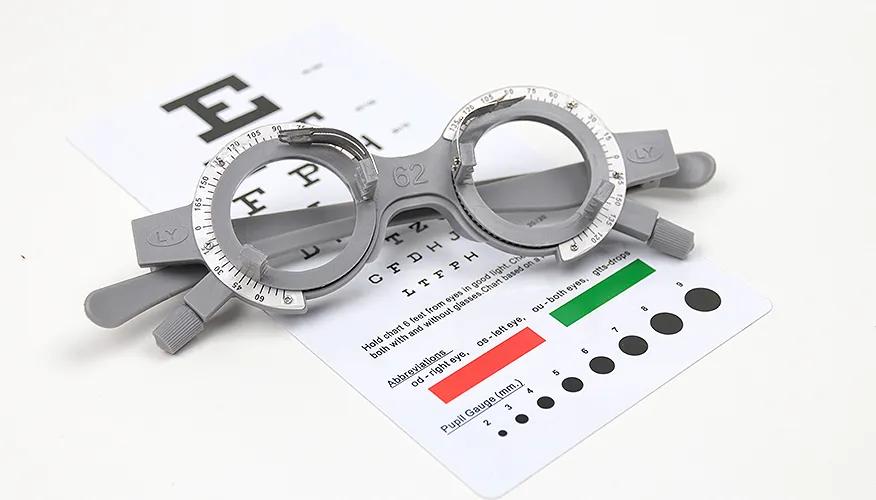
Eyesight power refers to the lens strength needed to correct vision problems such as nearsightedness, farsightedness or astigmatism. It is measured in diopters and is usually checked during an eye examination.
Let’s start by understanding what eyesight power means. In simple terms, eyesight power or eye power refers to the strength of your vision. It is the measure of the eye’s ability to see clearly.
The unit of measurement for eyesight power is called a diopter. When an individual has perfect vision, their eyesight power is zero. However, if there are any abnormalities in the eyes’ shape or size, this balance can be disrupted, leading to either nearsightedness or farsightedness. In these cases, an individual’s eye power becomes more than zero and they may require corrective lenses to help them see clearly again.
Nearsightedness (myopia) is when you can see things close to you clearly, but objects far away appear blurred. This is due to the eye being too long or the cornea being too curved.
On the other hand, farsightedness (hypermetropia) is when you can see distant objects clearly, but objects up close are blurry. This could be due to the eye being too short or the cornea not being curved enough. Regular eye tests are important in checking your eye power and ensuring it stays optimized.
Can Eyesight Power Be Reduced Naturally?
Eyesight power usually cannot be reduced naturally in a guaranteed way, especially when it is caused by the shape of the eye or cornea. However, healthy habits may help reduce eye strain, support eye comfort and prevent avoidable worsening linked to poor screen habits or lack of eye care.
| Method | What it may help with |
| Corrective lenses | Clear vision and reduced strain |
| Screen breaks | Digital eye strain and tired eyes |
| Eye exercises | Focusing comfort and relaxation |
| Healthy diet | General eye health support |
| Sunglasses | UV protection |
| Regular eye checks | Early detection of vision changes |
What Causes Eyesight Power to Increase?
Eyesight power may change due to genetics, eye growth, age-related changes, long hours of near work, uncorrected vision problems or certain eye conditions. Regular eye tests can help detect these changes early.
Which Daily Habits Support Eye Health?
Daily habits such as taking screen breaks, blinking often, using proper lighting, wearing prescribed glasses and protecting the eyes from UV light may help reduce eye strain and support eye comfort.
Maintaining good eye health is paramount in helping to reduce eyesight power and improve your overall vision. Here are some habits that you can incorporate into your daily routine:
- Take regular breaks from screens: Prolonged exposure to digital screens can strain your eyes. Try the 20-20-20 rule: Every 20 minutes, look at something 20 feet away for at least 20 seconds.
- Blink often: Blinking helps keep your eyes moist and reduces dryness and irritation.
- Maintain proper lighting: Ensure that you have proper lighting when reading or working on a computer to avoid putting extra strain on your eyes.
Which Foods and Nutrients Support Eye Health?

Nutrients such as vitamin A, vitamin C, vitamin E, omega-3 fatty acids, lutein and zeaxanthin may support eye health. These nutrients are found in foods like carrots, spinach, citrus fruits, nuts, seeds and fatty fish.
Nutrition also plays a significant role in maintaining good vision and reducing eyesight power. Consuming a balanced diet packed with essential vitamins and nutrients can significantly boost your eye health. Here are some powerhouse foods for your eyes:
- Vitamin A: Found in foods such as carrots, sweet potatoes, and spinach, Vitamin A plays a critical role in maintaining clear vision and supporting overall eye function. These foods are rich in beta-carotene, a precursor to Vitamin A, which is essential for healthy eyesight.
- Vitamin C: Berries, oranges, and bell peppers are excellent sources of Vitamin C, a powerful antioxidant that helps protect the eyes from oxidative stress and supports the health of blood vessels in the eyes. Including these foods in your diet can help maintain the health of your eyes and reduce the risk of eye diseases.
- Vitamin E: Nuts, seeds, and leafy greens are packed with Vitamin E, another antioxidant that plays a crucial role in maintaining eye health. Vitamin E helps protect the cells in the eyes from damage caused by free radicals, reducing the risk of age-related eye conditions such as macular degeneration and cataracts.
- Omega-3 fatty acids: Fatty fish like salmon and mackerel are rich sources of Omega-3 fatty acids, which are essential for maintaining healthy vision and reducing the risk of dry eyes and age-related macular degeneration. Including these foods in your diet can help support proper eye lubrication and overall eye health.
Can Eye Exercises Improve Eyesight Power?

Eye exercises may help reduce eye strain, improve focusing comfort and relax tired eye muscles. However, they usually do not permanently reduce refractive power such as myopia, hypermetropia or astigmatism.
Just as you engage in physical exercises to keep your body fit, your eyes also benefit from regular workouts to maintain their health and functionality. Consistent eye exercises can alleviate strain, enhance focus, and potentially diminish reliance on corrective eyewear.
To address nearsightedness, consider incorporating the pencil pushups exercise into your routine. Begin by holding a pencil at arm's length and focusing your gaze on it. Gradually bring the pencil closer to your eyes while maintaining clear focus. Then, slowly move it away from you, continuing to concentrate on the pencil. Repeat this sequence ten times daily to strengthen your eye muscles and improve visual acuity over time.
Just as there are eye exercises for nearsightedness, there are also specific eye exercises for farsightedness.
One effective exercise is the ‘near-far focus’ technique.
- To perform this exercise, find a comfortable seating position and hold a small object, such as a pen or pencil, at arm's length.
- Focus your gaze on the object for a few seconds, ensuring clarity, then shift your focus to a distant object or point in the room. Alternate between focusing on the near and far objects, gradually increasing the duration of each focus shift.
By regularly practicing this exercise for about 5-10 minutes daily, you can strengthen the focusing muscles on your eyes, improve your ability to adjust focus between near and distant objects, and potentially alleviate symptoms of farsightedness.
Why Are Glasses or Contact Lenses Important?
Glasses and contact lenses help correct refractive errors so you can see clearly and reduce unnecessary eye strain. Wearing the correct prescription does not make your eyes weak; it helps your eyes focus properly.
Corrective lenses such as glasses or contact lenses play a significant role in managing eyesight power. They work by compensating for the irregular shape of your eyeball that's causing the vision issues.
Whether it’s nearsightedness, farsightedness, or astigmatism, corrective lenses can help bring your world into focus.
Which Habits Can Harm Eye Health?
Excessive screen time, smoking, poor lighting, sleeping with contact lenses, rubbing the eyes and skipping eye check-ups may affect eye comfort and increase the risk of eye problems.
Certain habits can worsen your eyesight. These include:
- Excessive screen time: Prolonged exposure to screens, such as computers, smartphones, and tablets, can strain the eyes and contribute to digital eye strain.
- Smoking: Tobacco smoke contains harmful chemicals that can damage the delicate structures of the eyes and increase the risk of eye diseases such as cataracts and age-related macular degeneration.
- Poor lighting: Insufficient or harsh lighting conditions can cause eye strain and discomfort, especially when reading or working on tasks that require close attention.
- Not wearing sunglasses: Failing to protect your eyes from UV rays by wearing sunglasses can increase the risk of conditions like cataracts and photokeratitis (sunburn of the cornea).
- Rubbing your eyes: Rubbing your eyes excessively can introduce dirt, bacteria, and other irritants, leading to eye infections and irritation.
- Sleeping with contact lenses: Leaving contact lenses in while sleeping can restrict oxygen flow to the cornea, increasing the risk of eye infections, corneal ulcers, and other complications.
When Should You See an Eye Specialist?
See an eye specialist if you notice blurred vision, frequent headaches, eye pain, sudden vision changes, double vision, flashes of light, floaters or difficulty seeing at night. Children and adults with changing eyesight should also have regular eye checks.
Conclusion
Understanding eyesight power gives us a clear perspective on maintaining our eye health. From practicing healthy habits, consuming nutrient-rich foods, performing regular eye exercises, using prescribed corrective lenses to avoiding bad habits, each step plays a pivotal role in your eye health.
Remember that changes in vision are not always noticeable, so regular eye check-ups are essential for timely detection and correction of any problems. If you have any concerns about your vision or eye health, it's best to consult an eye care professional.
Whether you’re dealing with nearsightedness, farsightedness, or simply looking for ways how to reduce eyesight power naturally, a holistic approach is the key. And remember, while we can't cure nearsightedness or farsightedness entirely, their impact can be managed effectively with the right care and habits.
Meet our expert

Meet our expert
Dr Bright is a member of the Fellowship of Christian Optometrist international and a Clinical Research supervisor.

How was the experience with article?
We'd love to know!