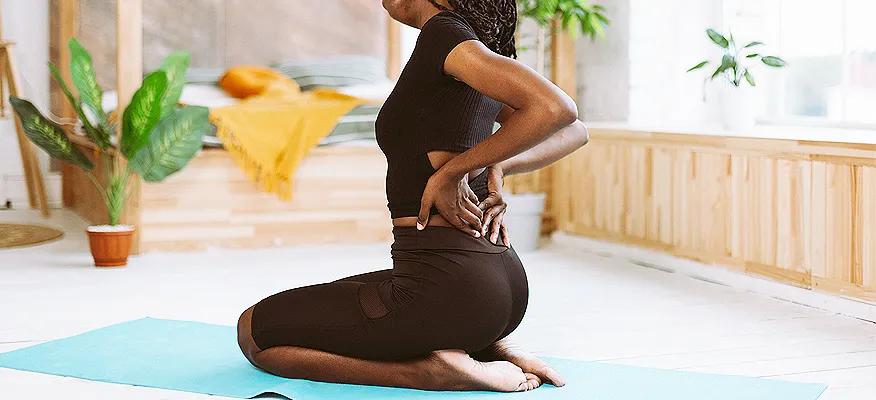
We've all been there - reaching for something on a high shelf or simply bending over to tie a shoelace, and suddenly, there's that unmistakable sting of lower back pain. It's like an uninvited guest who shows up at the most inconvenient times and decides to stay way longer than welcomed.
Did you know that about 80% of adults experience lower back pain at some point in their lives?
This makes it one of the most common reasons people visit healthcare professionals.
Have you ever considered why, regardless of all your precautions, lower back pain tends to creep up on you when you least expect it?
Well, let us use this blog to uncover not only the probable causes of lower back pain but also introduce you to some effective exercises for lower back pain relief.
Get ready to say goodbye to that unwelcome guest once and for all!
Causes of lower back pain
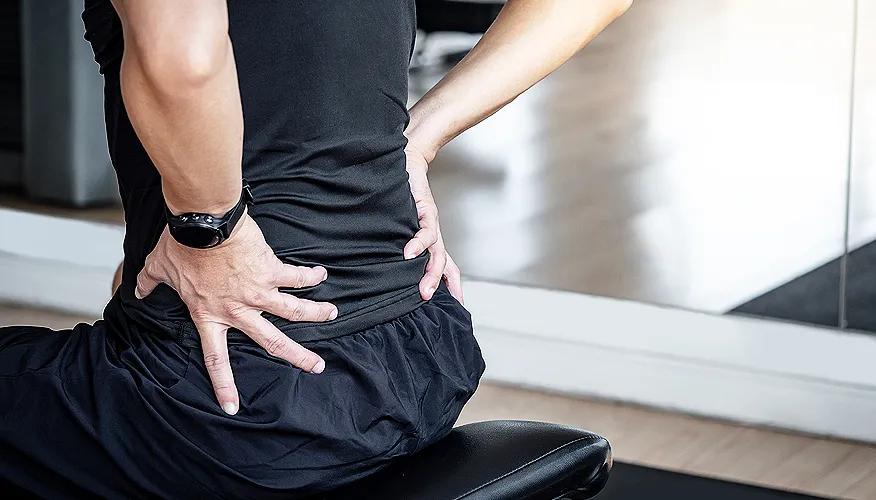
Lower back pain is a common concern among adults and can be triggered by several factors.
Let's explore some of the main causes:
1. Muscle strain
Overexertion, improper lifting, or sudden awkward movements can strain the muscles and ligaments in the lower back.
2. Herniated disc
A ruptured or bulging disc in the spine can press on nearby nerves, causing pain, numbness, or weakness.
3. Degenerative disc disease
The natural wear and tear on spinal discs with age can result in pain, stiffness, and reduced mobility.
4. Spinal stenosis
Narrowing of the spinal canal puts pressure on the spinal cord and nerves, leading to pain, numbness, or tingling.
5. Osteoarthritis
The breakdown of cartilage in the joints of the spine can lead to inflammation and chronic lower back pain.
6. Sacroiliac joint dysfunction
Injury or inflammation in the sacroiliac joint, where the spine meets the pelvis, can result in localized lower back pain.
7. Poor posture
Chronic poor posture, such as slouching or improper alignment, can strain the muscles and ligaments in the lower back.
8. Sciatica
Compression or irritation of the sciatic nerve, often from a herniated disc, causes sharp, shooting pain down the leg.
9. Scoliosis
An abnormal curvature of the spine can lead to uneven stress on muscles and ligaments, resulting in pain and discomfort.
10. Sedentary lifestyle
Prolonged sitting or inactivity can weaken the muscles supporting the lower back, leading to discomfort, stiffness, and pain.
Your core and back muscles play a vital role in supporting your spine, and if these muscles are weak, you may be at risk for lower back pain.
A strong core makes it easier to maintain good posture, while weak core and back muscles can make maintaining the correct posture challenging.
This puts more stress on other parts of your body, including your spinal discs and ligaments in the lower back, leading to pain.

Benefits of exercise for lower back pain
So, how can you combat lower back pain? The answer lies in proper exercise and physical activity.
Here's why:
1.Strengthening the muscles that support the spine
- One of the most effective ways to prevent lower back pain is by strengthening the muscles that support your spine.
- These include your abdominal muscles, glutes, and the erector spinae group along your spine.
- Regular exercise helps maintain muscle strength, stability, and flexibility around the spine.
2.Improving flexibility and posture
- Exercises for lower back pain work not just on strengthening your muscles but also improving your flexibility.
- Improved flexibility allows for better mobility, reduced muscle tension, and a lower likelihood of muscle pulls or strains.
- Regular exercise also helps maintain good posture, which in turn reduces the strain on your lower back.
Enhancing blood flow to the lower back
- When you exercise, the blood flow to your muscles increases.
- This enhanced blood flow can help speed up recovery from lower back injuries by supplying essential nutrients to the muscles and removing waste products that can contribute to muscle pain and inflammation.
The top 7 exercises for lower back pain relief

Ready to start stretching and strengthening your way out of lower back pain? Here are seven exercises that can help:
1. Cat-cow stretch
- The cat-cow stretch is a fantastic yoga-based movement that promotes flexibility in the entire spine.
- It's a low impact exercise for lower back pain that can be performed daily.
Purpose: Improve flexibility and relieve tension in the lower back.
Instructions and tips:
- Begin on your hands and knees, ensuring your knees are directly below your hips, and your hands are directly below your shoulders.
- Start by arching your back gently, lifting your chest and tailbone towards the sky while keeping your gaze forward – this is the "cow" pose.
- As you exhale, round your spine upwards towards the ceiling and let your head drop down – this is the "cat" pose.
- Continue this movement for 10 to 20 repetitions.
2. Child’s pose
- The child’s pose is another yoga exercise that stretches the lower back gently and effectively.
- This pose helps to elongate the lower back, relieving tension and pain.
Purpose: Gentle stretch to release tension in the lower back.
Instructions and tips:
- Begin by sitting on your heels with your knees hip-width apart.
- Lean forward until your forehead touches the floor, extending your arms in front of you.
- Hold this position for about 30 seconds to a minute.
3. Pelvic tilts
- Pelvic tilts are a great way to strengthen your core muscles and maintain the health of your lower back.
- This is one of the physiotherapy exercises for lower back pain that can be done daily for strengthening and prevention.
Purpose: Strengthen the lower back and abdominal muscles.
Instructions and tips:
- Lie flat on your back with your knees bent, feet flat on the floor, and your arms by your sides.
- Gently engage your core and push your lower back into the floor.
- Hold this position for 5 seconds before returning to the starting position.
- Repeat this movement 10 to 15 times.
4. Knee-to-chest stretch
- The Knee-to-chest stretch helps maintain flexibility in your lower back, reducing stiffness and pain.
- This stretch also helps elongate the hip flexors, which can also contribute to lower back discomfort if they're too tight.
Purpose: Stretch the lower back and hips.
Instructions and tips:
- Begin lying flat on your back with your knees bent, feet flat on the floor.
- Bring one knee to your chest, keeping the other foot on the floor.
- Hold this position for about 30 seconds, then switch to the other leg.
5. Bird dog exercise
- The bird dog exercise is an excellent way to improve stability in the spine while engaging both the core and lower back muscles - making it one of the best exercises for lower back pain.
Purpose: Enhance stability and strengthen the lower back and core.
Instructions and tips:
- Start on your hands and knees with your hands directly beneath your shoulders and knees directly beneath your hips.
- Slowly extend your left leg behind you while reaching forward with your right arm.
- Hold this position for a few seconds before switching to the other side.
6. Glute bridge
- The glute bridge is a simple yet effective exercise that helps strengthen the muscles in your lower back and glutes.
- Strong glutes are essential for maintaining proper hip alignment, which in turn supports a healthy lower back.
Purpose: Strengthen the glutes and lower back muscles.
Instructions and tips:
- Lie on your back with your hands by your sides, knees bent, and feet flat on the floor close to your butt.
- Pushing through your heels, lift your buttocks off the ground by squeezing your glutes until your body forms a straight line from shoulders to knees.
- Hold this position for a few seconds before slowly lowering your buttocks back to the ground.
7. Seated forward fold
- The seated forward fold is an excellent stretch for the hamstrings - tight hamstrings can contribute to lower back pain.
- While stretching, remember to breathe deeply and relax into the stretch, never forcing it.
Purpose: Stretch the hamstrings and lower back.
Instructions and tips:
- Start by sitting on the floor with your legs extended in front of you.
- Reach forward from your hips towards your toes – keeping your back straight.
- Hold this position for 30 seconds to one minute.
Safety tips while performing exercises

Starting any new exercise routine requires careful attention to ensure you're performing the exercises correctly.
Here are some safety tips:
1.Warm-up before starting
- Warm-ups prepare your body for exercise by increasing blood flow to the muscles. This reduces the risk of injury.
- Your warm-up should include light cardio exercises, such as walking or cycling, followed by stretches that target the major muscle groups.
2.Listen to your body and avoid exercises that cause pain
- If an exercise causes pain, it's important to stop immediately. It's crucial to listen to your body and not push past the point of pain.
- If you're experiencing regular pain during or after exercise, it might be worth discussing it with a healthcare provider.
Conclusion
Incorporating these simple, yet effective, exercises into your daily routine can lead to significant improvements in lower back pain.
By strengthening crucial supporting muscles, improving flexibility, and enhancing blood flow to the lower back, you can help protect yourself from future discomfort.
Remember, everyone's experience with lower back pain is unique, and what works for one person may not work for another. So, try various exercises to see which ones provide you with the most relief.
Meet our expert

Meet our expert
Dr. Dovbakh Olga Dmitrivna is a Clinical Psychologist based out of Ukraine. She graduated from the Bukovinian State Medical University, Ukraine back in 2009. Driven by a thirst of knowledge and with a keen interest in matters of the mind, Dr. Dovbakh Olga Dmitrivna went back to University in 2021 to specialise in psychiatry.



How was the experience with article?
We'd love to know!