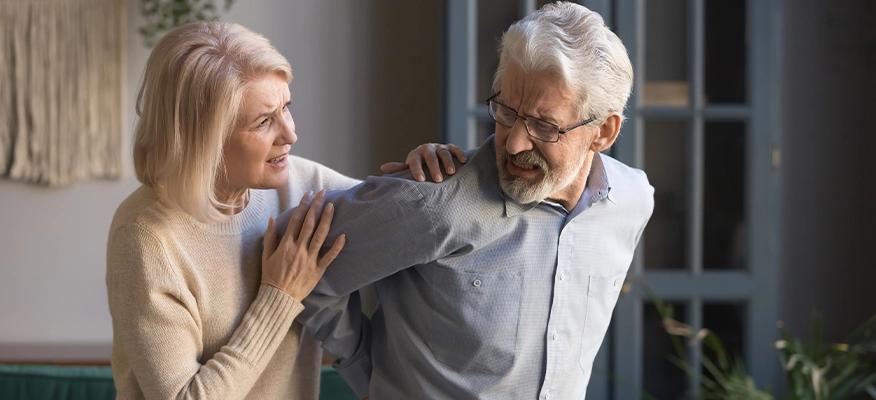
Chronic pain in older adults is a common health issue that can significantly impact their quality of life. Chronic pain is pain that lasts for three months (12 weeks) or longer.
Various factors can cause chronic pain. The prevalence of chronic pain in older adults is high. Around 50% of older adults experience chronic pain, with the prevalence only increasing with age. Women are more likely to experience chronic pain than men.
Addressing chronic pain in older adults is essential because it can lead to poor quality of life, social isolation, impaired physical activity, and dependence for daily activities.
Common causes of chronic pain in older adults
Ageing is the primary causative factor for chronic pain in older adults. Our bodies undergo natural wear and tear as we age, which can cause degeneration of joints, muscles, and bones. This leads to musculoskeletal and degenerative diseases like arthritis, leading to chronic pain.
- Other methods
Relaxation techniques like meditation, deep breathing and mindfulness may help manage chronic pain. These techniques can help reduce stress and tension in the body, which may contribute to pain.
These techniques can be practised independently or as part of a comprehensive pain management plan. Alternative therapies like acupuncture and massage therapy may also help manage chronic pain.
Pharmacological methods use medications, and the most common options used for chronic pain management include:
- Opioid medications: Opioids are powerful analgesics that can be effective in managing severe chronic pain in older adults. However, opioids carry a higher risk of adverse effects in older adults, including respiratory depression, confusion, and falls. Opioids should be used cautiously and under close supervision by a healthcare professional.
- Other pain-relieving medications: Acetaminophen is the first-line agent for mild to moderate chronic pain in seniors due to its favourable safety profile. Other pain-modulating drugs include Non-Steroidal Anti-Inflammatory Drugs (NSAIDs) like diclofenac, ibuprofen, aceclofenac etc.
- Topical pain-relieving medications: Topical analgesics such as diclofenac gel, capsaicin cream and lidocaine patches can be effective in managing localised chronic pain in older adults. They have a lower risk of adverse effects than systemic analgesics and can be used with other pharmacological and non-pharmacological interventions.
- Newer therapies: Some treatments are still under research and have shown success in chronic pain management in seniors, e.g. cannabinoids, micronised NSAIDs, and targeted opioids, among others.
What are some tips for coping with chronic pain
Chronic pain is nagging, irritating or frustrating part of life for many older adults. While it may be difficult to live with chronic pain, you don't need to! Here are some tips to make life easier and help you manage your chronic pain better.
1. Seek medical help
Chronic pain should always be evaluated by a medical professional. They can help determine the underlying cause of the pain and develop a treatment plan accordingly.
2. Keep moving!
Exercise can effectively help manage chronic pain.
Older adults should consult their doctor or a physical therapist to develop an exercise program appropriate for their mobility and pain.
3. Relaxation techniques are helpful
Relaxation techniques, such as deep breathing, meditation, and visualisation, can help to reduce stress and promote relaxation. This can help to alleviate pain and improve mood. A massage can also relieve stress and ease tension, thus helping with pain.
4. Use heat or cold therapy
The application of heat or cold on the affected area can help to reduce pain and inflammation. A warm bath or heating pad can be soothing for chronic pain, while an ice pack can help reduce swelling and numb the affected area. However, always do so only after consulting with your doctor.
5. Join a support group
Joining a support group can help older adults feel less isolated and alone in their pain. It can also provide an opportunity to share coping strategies and get emotional support from others who are going through similar experiences.
6. Maintain a healthy lifestyle
Eating a healthy diet, getting enough sleep, and avoiding unhealthy habits like smoking or excessive alcohol consumption can all help to improve overall health and reduce chronic pain.
7. Try to distract yourself from the pain
Plan your daily routine so that you focus least on the pain. Keep busy with activities that make you happy, like indulging in a hobby or volunteering, etc., to prevent pain from taking over your day.
Conclusion
Chronic pain management in older adults can improve physical and mental health outcomes and overall quality of life.
Therefore, addressing chronic pain in older adults through a comprehensive approach that includes medication, non-pharmacological interventions, and lifestyle modifications is crucial.
Meet our expert

GHBY Team
GHBY TeamMeet our expert
GHBY Team comprises content writers and content editors who specialise in health and lifestyle writing. Always on the lookout for new trends in the health and lifestyle space, Team GHBY follows an audience-first approach. This ensures they bring the latest in the health space to your fingertips, so you can stay ahead in your wellness game.


How was the experience with article?
We'd love to know!