
Want to age gracefully and stay energetic well into your seventies? Why not! That would be a dream come true, right? As you age, many hope for a future where you feel strong, clear-minded, and independent, not just disease-free, but truly thriving.
But here's the truth- “what you eat today can shape how you age tomorrow”. Research shows that certain foods like fruits, vegetables, processed meats, and trans fats can directly affect your risk of major health problems such as heart disease, diabetes, and colon cancer.
With chronic diseases like heart disease, diabetes, and cognitive decline becoming increasingly common among older adults, diet plays a crucial role in determining not just how long you live, but how well.
In this blog, you will discover the most research-backed dietary habits that support healthy aging, boost energy, and help you live your later years with vitality and freedom.
Why Nutrition Matters More as You Age.
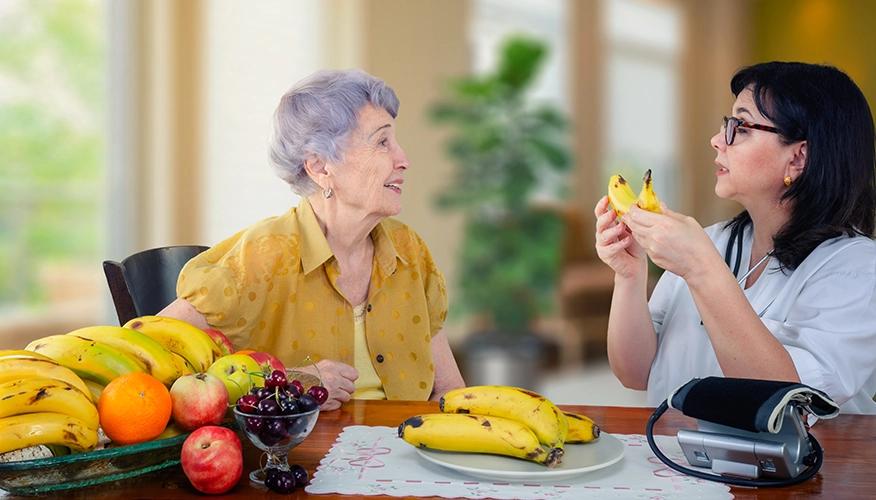
- According to the CDC, physically active people who eat a healthy diet and do not use tobacco decrease their risk of developing heart disease, cancer, diabetes, and other chronic diseases.
- According to Australian dietary guidelines, as you age, the foods and drinks that make up a healthy diet for you may differ from when you were younger.
- Poor food and drink choices can increase your risk of serious health problems like heart disease, type 2 diabetes, certain cancers, and even mental health issues like anxiety and depression.
- After 60, your activity levels may slow down, and your appetite might decrease, meaning your body needs fewer calories but more nutrition. That’s why it’s crucial to include foods rich in vitamins, minerals, protein, and fiber, so you get the nutrients you need from smaller portions.
- That’s why a balanced, nutrient-rich diet becomes a key pillar of healthy aging, helping you stay strong, sharp, and independent well into your seventies and beyond.
Components of the Best Diet for Older Adults

A study that assessed the Alternative Healthy Eating Index (AHEI) determined that people with the highest AHEI scores were 86% more likely to age healthily by 70 and over twice as likely to stay healthy by 75 than those with the lowest scores.
The AHEI diet focuses on fruits, vegetables, whole grains, nuts, legumes, and healthy fats like omega-3s and plant oils while limiting red and processed meats, sugary drinks, sodium, and refined grains.
Calcium Matters As You Age
- It helps prevent osteoporosis and fractures as you age.
- Aim for 3 servings daily of green leafy vegetables (such as broccoli, cabbage, and spinach), soya beans, tofu, fortified cereals, milk, or plant drinks.
- For older adults, vitamin D with added calcium may be recommended to protect bone health and guard against osteoporosis.
Related:Best Milk For Elderly: A Comprehensive Guide
The Fiber Power
- Fiber keeps digestion smooth. Include it daily in your diet as fruits, veggies, whole grains, beans, and peas.
- Wholegrain high-fiber foods are rich in insoluble fiber and reduce the risk of heart disease. Soluble fiber in fruits, vegetables, beans, lentils, and oats can lower cholesterol levels and help manage blood glucose.
- High-fiber foods are filling and help with weight control in older adults.
- Men need 30g/day, and women require 21g/day.
Amp Up Your Daily Protein:
- Protein helps maintain muscle as you age, which is important for agility.
- Women need 46g/day, and men need 56g/day of protein.
- Sources include low-fat milk, beans, lentils, and yogurt.
Choose healthy fats:
- Monounsaturated and polyunsaturated fats are generally healthier than saturated fats.
- Monounsaturated fats (from olive oil, canola oil, avocados, and nuts) help lower cholesterol.
- Polyunsaturated fats (omega-3 & omega-6) are essential and must come from food. Omega-3s protect the heart and are found in olive oil, vegetable oils, nuts, flaxseeds, and avocados. Omega-6 fats are found in margarine spreads, sunflower and soybean oils, some nuts, and sunflower seeds.
Hydration for healthy aging
- Older adults are at higher risk of dehydration due to reduced kidney function, less thirst, certain medications, and mobility issues that limit fluid intake.
- Good hydration is necessary to keep bowels moving and the brain functioning, and to prevent urinary tract infections and kidney stones.
- Generally, women should drink 8 cups of fluid daily and men 10 cups.
- Plain water is a healthy choice to stay hydrated and boost energy. Milk, soup, tea, 100% juice, and coffee contribute to daily fluid intake.
Vitamins B2, B6
- Vitamin B2 (riboflavin) is found in dairy, fortified cereals, and breads.
- Your recommended dietary intake (RDI) increases after age 70 for men: 1.6mg per day and for women: 1.3mg/day.
- Vitamin B6 is found in whole grains, veggies, and fruits. Deficiency is rare.
- The RDI for men 51+ years: 1.7mg/day and women 51+ years: 1.5mg/day
Indomitable Iron
- Iron is stored in the body and comes from pulses (such as peas, beans, and lentils), green vegetables, and wholegrain cereals.
- Low iron can lead to anemia, causing fatigue, dizziness, irregular heartbeat, and memory issues.
- Iron deficiency in older adults may not be due to diet alone; it can signal hidden bleeding or absorption issues.
- RDI for adults over 51 years: 8mg/day (both men and women).
What to Limit or Avoid for Healthy Aging

- Too much salt can lead to high blood pressure and heart disease.
- Eat fresh, low-salt foods. Try replacing salt with pepper, herbs, and spices to add flavor to your favorite dishes.
- Limit foods high in saturated and trans fats such as pies, pastries, fried items, chips, and chocolate.
- Adults should not eat more than 30g of sugar/ day, roughly equal to seven sugar cubes. Better dessert choices include fresh fruit with low-fat yogurt or wholegrain-based treats like oat crumbles.
- As you get older, your body can’t process alcohol well, as older adults tend to have less body weight, and alcohol is more concentrated in the blood.
How Poor Diet Can Accelerate Chronic Diseases in Older Adults

- As we age, our bodies become more sensitive to what we eat. A poor diet high in processed foods- added sugars, unhealthy fats, and low in nutrients can speed up the onset and progression of chronic diseases in older adults.
- A diet high in added sugars found in many packaged, low-nutrient foods and drinks can lead to obesity, heart disease, tooth decay, and fatty liver disease.
- Consuming too much sodium most frequently, in salt can raise blood pressure.
- Saturated fats in processed foods increase the risk of high blood cholesterol and heart disease.
- Lack of brain-friendly nutrients (like omega-3s, antioxidants, and B vitamins) may contribute to memory loss and dementia.
- Diets loaded with refined carbs and added sugars lead to insulin resistance and unstable blood sugar levels, triggering or worsening diabetes.
- Poor nutrition weakens the immune system to fight infections or recover from illness.
- Low calcium and vitamin D intake can lead to weaker bones, increasing the risk of fractures and falls.
Related: How Important Is Nutrition For Bone Health in Older Adults?
Diets Backed by Science for Healthy Aging
- Studies support the idea that higher adherence to healthy dietary patterns is protective or associated with a lower risk of chronic disease.
- Of the eight diets studied, the AHEI diet showed the greatest benefits for healthy aging in both men and women. It supports not just chronic disease prevention, but also better cognitive, physical, and mental health.
- The Mediterranean diet is rich in fruit, vegetables, whole grains, good fats, and low-fat dairy products. Studies suggest it lowers your risk of heart disease, diabetes, some cancers, and dementia.
Practical Tips for Eating Well into Your 70s
- As your energy needs drop with aging, reduce portion sizes if you are less active.
- Restaurants and packaged foods are often high in salt, so eat out less often and limit prepackaged items to reduce excessive sodium intake.
- Have some long-lasting staples on hand to make a healthy meal at home.
- Ask for help with shopping or meal preparation, if you need it, from family and friends, community groups, careers, or your doctor.
- If teeth or gum issues make it hard to chew fruits, vegetables, or meats, try softer foods with similar nutrients.
- Always have a nutrient-dense balanced meal with proteins, vitamins, minerals, and fiber.
- Try social eating to avoid appetite loss due to loneliness.
Conclusion
Healthy eating patterns support healthy aging and independent living of older adults. Having whole, nutrient-rich foods- fruits, veggies, whole grains, lean proteins, and healthy fats and limiting processed foods, added sugars, and unhealthy fats ensures that you enjoy your retirement life without spending time in hospitals treating chronic diseases.
Aging causes your metabolism to slow down, you may feel less hungry, and your body may absorb fewer nutrients from food. Be conscious while eating, eat a balanced meal with fiber, calcium, protein, and key vitamins, and do not forget hydration.
It is never too late to make better food choices and work toward a healthier, more vibrant life as you age.
Meet our expert
.webp&w=1920&q=75)
Meet our expert
Dr. Kulyk Alexander Petrovich is a Ukraine-based gynecologist, with extensive experience in women's health. In 1995, he graduated from the Kyiv Medical University, and specialized in gynecology. He then went on to work as a gynecologist in the Institute of Pediatric, Obstetrics and Gynecology in Kyiv, where he worked until the year 2000.



How was the experience with article?
We'd love to know!