
Staying active is vital at every age. As an older adult, regular exercise can help ward off cardiovascular disease. You can also enjoy higher energy levels and a stronger mental health.
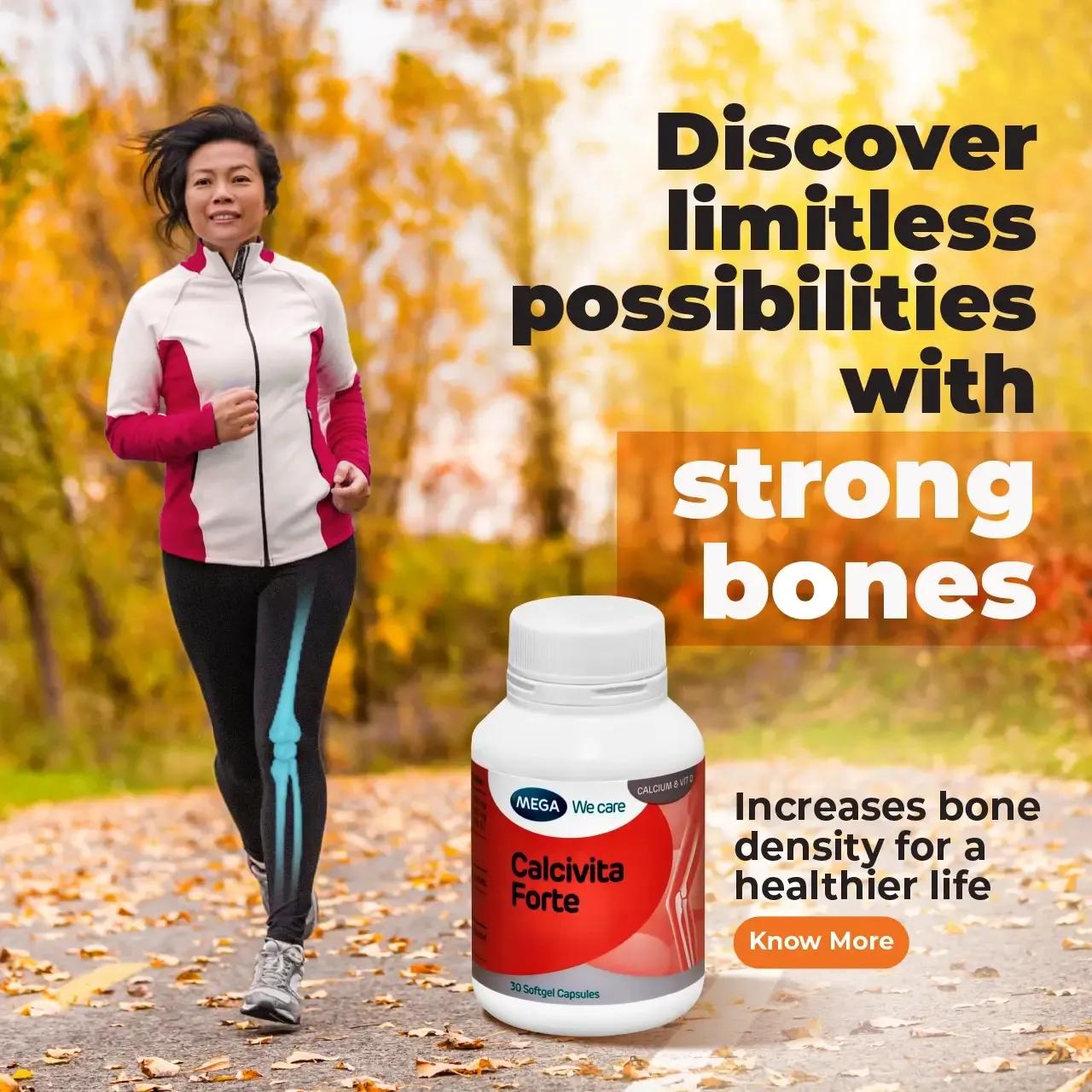
Here's how to stay active when you are above 50 years of age:
1. Consult your doctor
If you have any heart conditions, suffer from bone or joint issues, or have been diagnosed with any other serious illness, consult your doctor before taking up a new exercise regimen.
2. How much exercise?
According to the CDC (Centers for Disease Control and Prevention, USA), older adults should strive for at least 150 minutes of moderate-intensity aerobic activity or 75 minutes of vigorous-intensity aerobic activity (such as jogging or running) each week.
3. What kinds of exercise?
The best exercises for older adults are walking, swimming, or using an elliptical machine, using guided weight machines at the gym to maintain strong muscles which will bolster bones and joints, providing extra stability and protection, and range- of-motion exercises like arm circles, elbow bends, and head tilts, to relieve stiffness.
Try Yoga, Tai Chi and meditation as well.
4. Don't be zinc-deficient
Zinc is found in nuts, seeds, chickpeas, lentils, beans, dairy and wholegrains and is crucial for optimum immune function. It helps to control susceptibility to infection and regulates normal development and function of cells.
5. Wear fitness wearables
Wearable fitness devices, like smartwatches and Fitbits, can track vitals, such as heart rate, sleep and more. They also track your movement and exercise each day so you know that the effort you are putting in is in tune with your age and lifestyle habits. Your family can monitor them too.
Remember, a few tweaks in your everyday lifestyle can go a long way in keeping you health and happy in the long run. All you need is to start right!
Staying active as you age keeps you physically and mentally fit.
Conclusion
Approaching your fifties, actively embracing a lifestyle filled with physical activity is essential for maintaining both physical and mental health. Implementing key strategies ensures that older adults can reap the benefits of improved cardiovascular health, higher energy levels, and better mental well-being.
Meet our expert

Meet our expert
A Doctor of Medicine (MD) in Pharmacology., currently based in Mumbai, India, Dr Pramod Mane, comes with an experience of more than 20 years of working in Medical Affairs in the Pharmaceuticals & Nutraceutical Industry. Director of Medical Services at Mega Lifesciences since 2008, Dr Mane has been associated with several MNCs in the areas of Medical Affairs, Medical Services, Medico-marketing, Pharmacovigilance & Clinical trials in his illustrious career.



How was the experience with article?
We'd love to know!