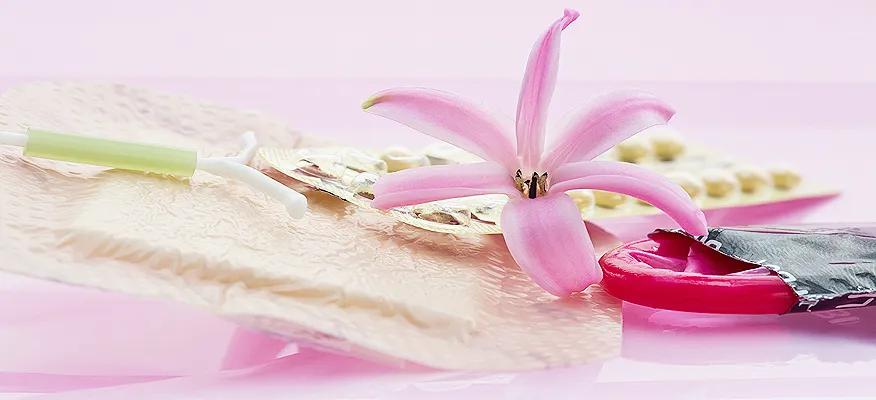
When it comes to taking charge of your body and health, contraception is a powerful tool.
But beyond its role in family planning, understanding contraception and its impact on women’s health is vital for making choices that truly align with your body’s needs.
From hormonal changes to their influence on intimate health and wellbeing, contraceptive methods play a significant role in shaping how you feel physically and emotionally.
This guide is here to empower you with knowledge—whether you’re considering a switch, exploring options for the first time, or simply seeking to understand your body better.
Let’s dive into the different types of contraception, their potential effects, and the insights you need to make informed, confident decisions for your health and lifestyle.
Understanding the role of contraception in women’s health

Contraception plays a vital role in family planning and empowering women to control their reproductive health.
The right method allows women to decide when and if they want to have children, but it is also essential to consider how contraception can affect a woman's overall well-being, including her intimate health. Some contraceptive methods are known to have hormonal impacts, while others act as physical barriers to pregnancy.
When it comes to contraception, women have a variety of options, each with its benefits and potential drawbacks. Choosing the right contraceptive method is not just about preventing pregnancy, it is also about considering how it impacts your overall health, including your intimate well-being.
From hormonal birth control to barrier methods and more, each option has its own set of effects on the body. It is important to understand various contraceptive methods, how they affect women’s intimate health, and what you need to know to make an informed decision about your reproductive health.
For women, choosing a method involves balancing convenience, effectiveness, side effects, and overall health impact.
It is crucial to recognize that what works for one woman may not be ideal for another.
Hormonal contraceptives: Birth control pills, patches, and injections
Hormonal contraceptives, which include birth control pills, patches, and injections, are among the most commonly used methods.
These methods work by releasing hormones that prevent ovulation and create a physical barrier in the cervix to prevent sperm from reaching an egg.
Impacts on intimate health:
- Menstrual cycle regulation: One of the most significant benefits of hormonal birth control is the ability to regulate your menstrual cycle. For many women, this results in lighter, more predictable periods.
- Improved acne and skin health: Hormonal birth control can help reduce acne by regulating the hormones that trigger breakouts.
- Decreased libido: Some women report a decrease in sexual desire when using hormonal contraception, although this is not universal.
- Mood changes: Hormonal fluctuations can affect mood, leading to feelings of irritability, anxiety, or even depression.
Managing side effects:
- Consult your healthcare provider if you experience significant side effects, such as low libido or mood changes, to explore alternative options.
- Give it time: Hormonal birth control can take time to adjust to your body. If side effects persist, a different type or method may be better suited to your needs.
IUDs (Intrauterine Devices)
IUDs are small T-shaped devices inserted into the uterus by a healthcare provider.
There are two main types: hormonal and copper. Both are highly effective at preventing pregnancy, with hormonal IUDs releasing small amounts of progestin and copper IUDs acting as a spermicide.
Impacts on intimate health:
- Lightening or stopping periods: Hormonal IUDs can lighten or stop periods altogether, making them ideal for women who experience heavy menstrual bleeding.
- No impact on libido: IUDs are not typically associated with a reduction in libido, unlike some other hormonal contraceptives.
- Increased cramping or spotting: Some women experience cramping or irregular bleeding, especially in the first few months after insertion.
Managing side effects:
- If cramping or spotting continues for several months, talk to your healthcare provider to rule out other conditions or consider switching to another method.
- Consider pain management options, like over-the-counter pain relief, if cramping is a concern.
Barrier methods: condoms and diaphragms
Barrier methods, including male and female condoms, as well as diaphragms, physically block sperm from entering the uterus.
These methods are hormone-free and provide added protection against sexually transmitted infections (STIs).
Impacts on intimate health:
- No hormonal effects: Since barrier methods do not contain hormones, they have no impact on mood, libido, or skin health.
- Protection against STIs: Condoms, in particular, are the only contraceptive method that also helps protect against sexually transmitted infections, making them an essential choice for sexually active women.
Managing Side Effects:
- Ensure proper use: Condoms need to be used consistently and correctly to be effective. Always check expiration dates and store them properly.
- Potential for irritation: Some people may experience irritation from latex or certain lubricants used with condoms. Consider switching to hypoallergenic alternatives if needed.
Permanent methods: Sterilization
Sterilization is a permanent form of contraception that involves surgical procedures, such as tubal ligation for women.
This method is ideal for those who are certain they do not want any more children.
Impacts on Intimate Health:
- No hormonal impact: Since sterilization is a permanent physical change, it does not involve hormones and thus does not affect mood, libido, or menstrual cycles.
- No need for ongoing maintenance: Once performed, sterilization requires no ongoing effort or maintenance, making it a convenient, no-fuss option.
Managing Side Effects:
- While sterilization is highly effective, it is important to consider the permanence of this method. Make sure you are absolutely certain about your decision before proceeding.
- Emotional adjustment: For some women, the decision to permanently alter fertility can require emotional adjustment. Discussing your decision with a counselor or loved one may help.
Natural methods: Fertility awareness and withdrawal

Conclusion
Choosing the right contraceptive method isn’t just about preventing pregnancy—it’s about safeguarding your overall wellbeing. Understanding contraception and its impact on women’s health allows you to make decisions that support both your physical and emotional needs.
Remember, your body is unique, and what works for someone else may not work for you. Open conversations with your healthcare provider can help you explore options, address concerns, and ensure you’re making informed choices.
Your health, comfort, and confidence are at the center of this journey. With the right knowledge and support, contraception can be a powerful ally in nurturing your intimate health and embracing your overall wellbeing.
Meet our expert

Dr. Lozynska Liudmyla Yaroslavivna
Psychiatry & Psychotherapy
Ukraine
Dr. Lozynska Liudmyla YaroslavivnaMeet our expert
She graduated from Lviv National Medical University. She has a specialization in psychiatry and psychotherapy. She have published scientific articles: “Anemia of Pregnant Women”; “Urinary Tract Infections”.


How was the experience with article?
We'd love to know!