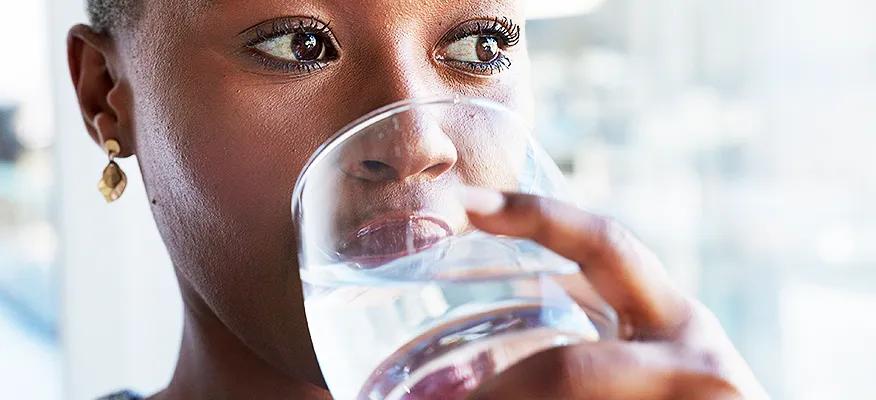
Have you ever experienced the discomfort of a urinary tract infection (UTI)? The burning sensation, the urgency, and the disruption it brings to your day can feel overwhelming. For many of us, it’s not just a physical inconvenience—it’s an emotional strain too. UTIs remind us how deeply our health is connected to the simplest habits in our daily lives, like staying hydrated.
Water, often taken for granted, plays a powerful role in protecting us from these infections. It helps flush out bacteria, keeps your system in balance, and supports your body in its fight against harmful invaders. But in our busy lives, it's easy to overlook this simple act of self-care.
This blog explores the crucial role of hydration in preventing UTIs, shedding light on why drinking enough water is more than just a healthy habit—it's a shield for your well-being.
Let’s dive into how something as simple as a glass of water can make all the difference.
What are UTIs?

A UTI is an infection in any part of the urinary system, including the kidneys, bladder, ureters, or urethra. Most UTIs are caused by bacteria, such as Escherichia coli (E. coli), which enter the urinary tract and multiply.
Symptoms include:
- A burning sensation during urination.
- Frequent urges to urinate with little output.
- Cloudy or strong-smelling urine.
- Pelvic pain, especially in women.
While antibiotics are often required to treat UTIs, prevention is the best approach, and hydration is a key part of that.

How hydration prevents UTIs
- Flushes out bacteria: Drinking water increases urine production, which helps flush bacteria out of the urinary tract before they can cause an infection.
- Maintains urinary pH: Proper hydration ensures that urine stays diluted, reducing irritation in the urinary tract and creating an environment less conducive to bacterial growth.
- Prevents urine stagnation: Staying hydrated encourages frequent urination, preventing stagnant urine that could allow bacteria to multiply.
- Supports immune function: Hydration supports overall bodily functions, including the immune system’s ability to fight infections, reducing the risk of UTIs.
How much water should you drink?
The amount of water needed varies based on age, activity level, and climate. A general guideline is to aim for at least 8-10 glasses (2-2.5 liters) of water daily.
If you are prone to UTIs or physically active, you may need more to stay adequately hydrated.
Signs You Are Staying Hydrated:
- Your urine is pale yellow or clear.
- You feel the need to urinate every 2-4 hours.
- You rarely feel thirsty.
If your urine is dark yellow or amber, it is a sign you may need to increase your water intake.
Practical tips for staying hydrated
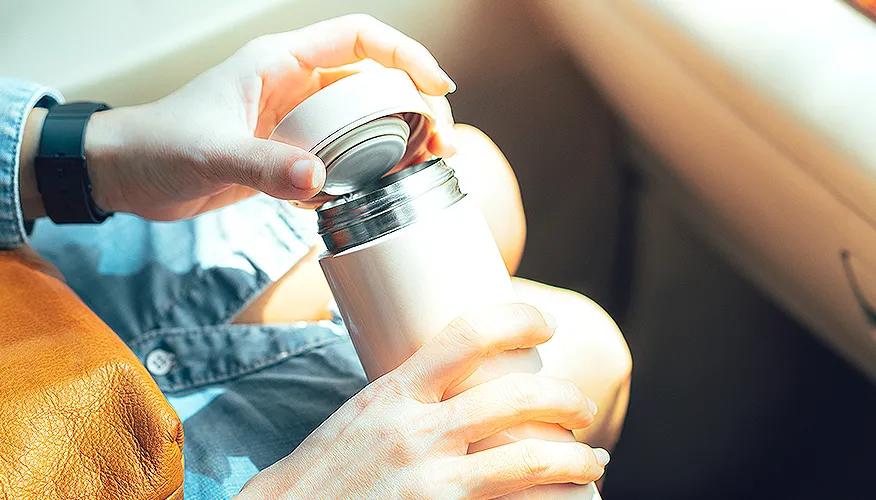
- Carry a water bottle: Keep a reusable water bottle with you throughout the day as a reminder to drink water.
- Incorporate hydrating foods: Foods like cucumbers, watermelon, and oranges have high water content and contribute to hydration.
- Set reminders- Use a phone app or alarms to remind you to drink water, especially if you are busy or forgetful.
- Limit dehydrating beverages: Reduce intake of caffeine and alcohol, as they can dehydrate you and irritate the bladder.
- Flavor your water: Add slices of lemon, cucumber, or berries to your water for a refreshing twist that encourages you to drink more.
Other Ways to Prevent UTIs
While hydration is essential, combine it with these practices for comprehensive UTI prevention:
- Practice good hygiene: Wipe from front to back to prevent bacteria from entering the urethra.
- Urinate after intimacy: This helps flush out bacteria introduced during sexual activity.
- Avoid holding urine: Urinate when you feel the urge to avoid bacterial buildup.
- Choose breathable fabrics: Wear cotton underwear to reduce moisture and bacterial growth.
- Consider cranberry products: Cranberries contain compounds that may prevent bacteria from adhering to the urinary tract lining.
Conclusion
Drinking water is one of the simplest yet most effective ways to support your urinary health and prevent UTIs.
Hydration isn’t just about quenching your thirst—it’s about empowering your body to stay strong and resilient. The next time you reach for a glass of water, think of it as a small but impactful act of self-care, a way to nurture your health from within.
By staying hydrated, you are giving your body the tools it needs to flush bacteria and maintain balance. Pair this with good hygiene and healthy habits to keep your urinary tract in optimal condition.
Meet our expert

Meet our expert
Reshma Kulkarni-Pathare is a senior Indian media professional since 1999. She has written for over 45 national and international publications, including The Times of India, Femina, and BBC Good Homes.



How was the experience with article?
We'd love to know!