
Menopause is a natural part of a woman’s life, marking the end of menstruation and the reproductive years.
While it is a significant milestone, it also brings about physical and emotional changes that can impact overall well-being, including intimate health. Vaginal dryness, decreased libido, and other related issues are common concerns during menopause.
Understanding these changes and finding ways to cope can help women maintain a fulfilling intimate life as they navigate this transition.
What happens during menopause?
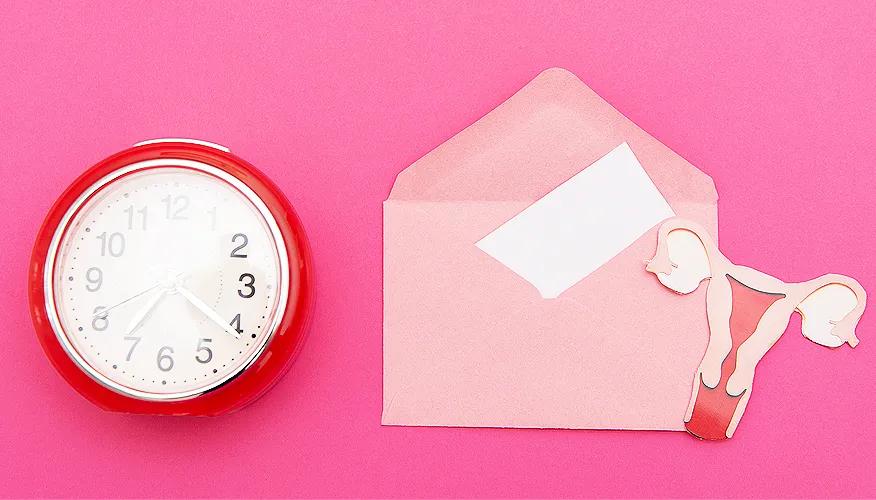
Menopause typically occurs between the ages of 45 and 55, though the timing can vary.
It is defined as the point when a woman has gone 12 consecutive months without a menstrual period, marking the end of her ability to conceive naturally.
During this time, the body undergoes hormonal changes, particularly a decrease in estrogen levels, which can lead to several physical and emotional symptoms.
While menopause can be a time of personal growth and freedom, it often comes with certain challenges that affect intimacy.
Vaginal dryness, a decrease in sexual desire, and changes in sexual response are all issues that many women experience during this period.
Vaginal dryness and its impact on intimacy
One of the most common intimate health challenges during menopause is vaginal dryness.
As estrogen levels drop, the vaginal tissues can become thinner, less elastic, and less lubricated, making intercourse uncomfortable or even painful.
This can lead to a decrease in sexual desire and cause emotional distress for both partners.
Managing Vaginal Dryness:
- Use lubricants: Water-based or silicone-based lubricants can provide immediate relief and make intercourse more comfortable.
- Moisturizers: Vaginal moisturizers, which are different from lubricants, can be used regularly to maintain vaginal moisture.
- Estrogen therapy: Local estrogen treatments, such as creams, rings, or tablets, can help restore vaginal health and improve lubrication.
- Hydration: Drinking plenty of water and using a humidifier can also help maintain moisture levels in the body, including the vaginal area.

Decreased libido: Understanding the shift in sexual desires
Many women experience a decrease in libido during menopause.
The reduction in estrogen and progesterone levels can contribute to physical and emotional changes that affect sexual desire.
This can be frustrating, especially for women who have previously had a healthy sex drive.
Managing Decreased Libido:
- Open communication with your partner: Discussing changes in libido with your partner can help both of you understand each other’s needs and adjust expectations.
- Focus on emotional intimacy: Engage in non-sexual forms of intimacy, such as cuddling, kissing, or simply spending quality time together. Strengthening emotional bonds can help reignite physical intimacy.
- Exercise: Regular physical activity can boost energy levels, reduce stress, and improve mood, all of which can help with sexual desire.
- Therapy: If decreased libido is causing emotional distress, counseling or therapy, either individually or with a partner, can help address underlying issues and improve sexual health.
Other intimate health changes during menopause
In addition to vaginal dryness and decreased libido, there are other intimate health issues that may arise during menopause.
These can include changes in the appearance and sensitivity of the genitals, urinary incontinence, and discomfort during intercourse.
1. Genital sensitivity and changes
As estrogen levels decline, the labia and clitoris may become less sensitive, and the vulva may appear thinner. Some women also experience a reduction in the size of the vaginal opening.
Managing genital sensitivity:
- Using lubricants during intercourse can help alleviate discomfort.
- Regular pelvic floor exercises (Kegel exercises) can help strengthen the muscles around the pelvic area and improve sensation.
2.Urinary incontinence
Many women experience urinary incontinence or leakage during menopause due to changes in pelvic muscle tone and the weakening of the bladder.
Managing urinary incontinence:
- Pelvic floor exercises can help strengthen the muscles responsible for bladder control.
- Certain medications and lifestyle changes, such as reducing caffeine intake, may also alleviate symptoms.
Coping with emotional changes during menopause

Menopause can also have emotional and psychological impacts, including mood swings, anxiety, and even feelings of sadness or loss.
These emotional changes can affect intimate health by creating stress and reducing desire for intimacy.
Managing emotional changes:
- Stay active: Regular exercise can help reduce stress, improve mood, and boost energy levels.
- Mindfulness and meditation: These practices can help manage stress and promote emotional well-being.
- Seek professional help: If emotional changes are severe, counseling or therapy can help address underlying concerns and improve mental health during menopause.

Conclusion
Menopause marks a profound shift, not just in a woman's body but in her life journey. While its changes can feel challenging—vaginal dryness, mood swings, or shifts in libido—these are not battles to face alone.
By embracing self-care, seeking support, and being open to solutions tailored for coping with menopausal changes, this stage can transform from a time of uncertainty to one of empowerment.
Remember, menopause doesn’t define you—it refines you. It’s a moment to prioritize your well-being, rediscover your strength, and step confidently into the next chapter of life, owning every bit of your incredible self.
Meet our expert

Meet our expert
Dr. Inna Anatolyivna Kirilyuk graduated from Vinnytsia National Medical University in 2008, marking the inception of her remarkable journey in healthcare. Following her graduation, Dr. Kirilyuk embarked on a path of continuous learning and specialization.


How was the experience with article?
We'd love to know!