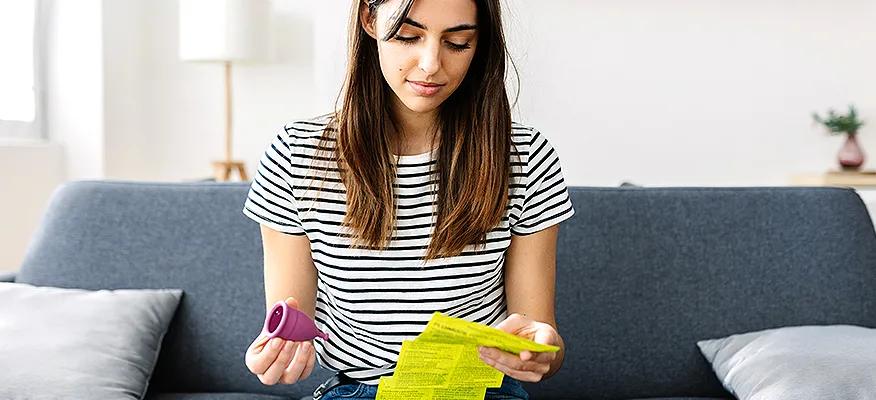
Simple habits such as gentle washing, changing period products regularly and avoiding scented products can help teenage girls stay comfortable and protect intimate health.
Feminine hygiene for teenage girls means caring for the external intimate area gently, managing periods safely and understanding what changes are normal during puberty. Washing the vulva with lukewarm water, wearing breathable underwear and avoiding scented products can help prevent irritation and discomfort.
Teenage girls can maintain feminine hygiene by washing the vulva gently with water, changing period products regularly, wearing breathable underwear and avoiding scented intimate products. Clear or white discharge and a mild natural odour are often normal, but persistent itching, pain or unusual discharge should be checked by a doctor.
The teenage years are a whirlwind of changes—new experiences, emotions, and responsibilities. Amidst this transformative phase, understanding feminine hygiene becomes an essential part of self-care and well-being.
But it’s during this time that building healthy habits becomes essential for a girl’s confidence and well-being. For many teen girls, questions about personal hygiene feel awkward or even embarrassing to ask. Yet these questions are incredibly important, as they lay the foundation for lifelong intimate health.
For many girls, puberty brings significant changes, from the start of their menstrual cycle to shifts in hormones that influence their bodies in new ways. Understanding proper hygiene practices is key to staying comfortable, healthy, and confident.
Whether it’s managing periods, choosing the right products, or learning how to feel fresh and confident, the journey of discovering feminine hygiene is about empowerment, self-care, and embracing your body’s unique needs.
This guide is here to answer those questions, debunk myths, and provide practical, simple tips to help teen girls feel at ease and take charge of their intimate health journey.
Why Is Feminine Hygiene Important for Teenage Girls?

Good feminine hygiene helps teenage girls stay comfortable, manage sweat and periods, and reduce the risk of irritation. It also helps them understand normal changes during puberty and recognise symptoms that may need medical advice.
Feminine hygiene isn’t just about feeling clean, it is about maintaining overall health and preventing infections or discomfort.
Hormonal changes during puberty can increase sweat and oil production, as well as alter the vaginal environment.
Learning the basics of hygiene helps keep everything in balance and prevents common issues like irritation or odor.
What Are the Best Feminine Hygiene Tips for Teenage Girls?
Teenage girls should wash the vulva gently, change period products regularly, wear breathable underwear, avoid scented products and change out of sweaty clothing after exercise.
1. How Should Teenage Girls Wash the Intimate Area?
Wash only the external area, called the vulva, with lukewarm water. A mild fragrance-free cleanser may be used if needed, but avoid douching or washing inside the vagina because it cleans itself naturally.
- Why: The vaginal area is self-cleaning, so over-washing or using harsh soaps can disrupt its natural balance.
- Tip: Use lukewarm water and a gentle, fragrance-free cleanser to wash the vulva (external area) daily. Avoid douching or washing inside the vagina.
2. How Often Should Period Products Be Changed?
Pads and tampons should generally be changed every four to six hours, or sooner if they feel full or uncomfortable. Menstrual cups should be emptied and cleaned according to the manufacturer’s instructions.
- Why: Changing pads, tampons, or menstrual cups frequently prevents odor, discomfort, and infections.
- Tip: Aim to change pads or tampons every 4-6 hours and follow the manufacturer’s guidelines for menstrual cups.
3. What Type of Underwear Is Best for Teen Girls?
- Why: Synthetic fabrics can trap heat and moisture, increasing the risk of irritation or infections.
- Tip: Choose cotton underwear for better air circulation and comfort.
4. How Can Teen Girls Maintain Hygiene After Exercise?
- Why: Sweat and friction during physical activities can cause irritation or odor.
Tip: Change out of sweaty clothes immediately after exercising and shower as soon as possible.
Invel Pro Oral Capsule
5. Why Should You Wipe from Front to Back?
- Why: Wiping from back to front can spread bacteria from the anus to the vagina, leading to infections.
- Tip: Always wipe from front to back after using the restroom.
6. Does Drinking Water Support Intimate Health?
- Why: Drinking plenty of water helps maintain overall health and supports a healthy vaginal environment.
- Tip: Aim for at least 6-8 glasses of water a day.
7. Which Feminine Hygiene Products Should Teen Girls Avoid?
- Why: Scented products can irritate sensitive skin and disrupt pH balance.
- Tip: Stick to unscented panty liners, pads, and feminine wipes.
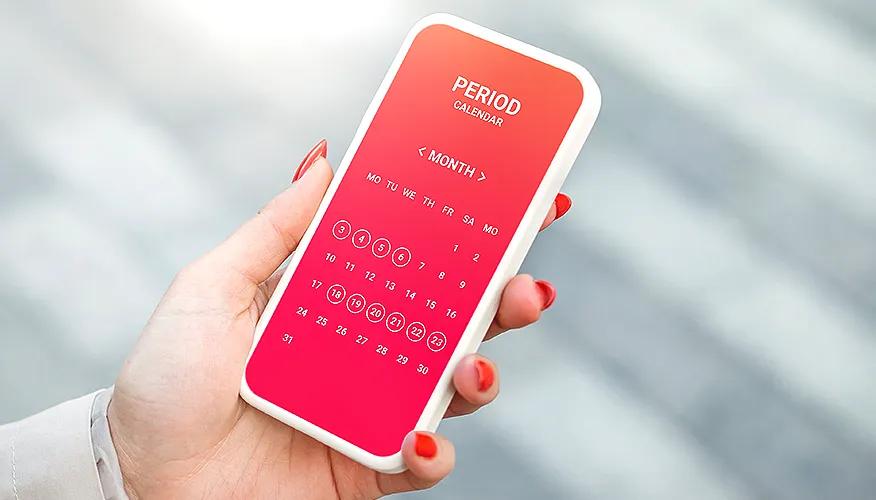
8. Why Should Teen Girls Track Their Menstrual Cycle?
- Why: Knowing your cycle helps you prepare for your period and understand what is normal for your body.
- Tip: Use a period tracking app or a journal to monitor your cycle and any symptoms.
How Should Teenage Girls Maintain Hygiene During Periods?
During periods, change pads or tampons regularly, wash the external intimate area gently and wear clean, breathable underwear. Always wash your hands before and after changing menstrual products, and follow the correct instructions when using tampons or menstrual cups.
What Is Normal During Puberty and When Should You Worry?
Mild vaginal odour, clear or white discharge and gradual changes during the menstrual cycle are often normal. Strong odour, unusual coloured discharge, persistent itching, pain or sores should be discussed with a healthcare professional.
1. Is Vaginal Odour Normal in Teenage Girls?
- Normal: A mild, natural odor is normal and varies throughout the menstrual cycle.
- When to Worry: Strong, unpleasant odors accompanied by itching or discharge may indicate an infection. See a doctor if this occurs.
2. What Vaginal Discharge Is Normal During Puberty?
Clear or white discharge without a strong smell is usually normal during puberty. It may change in amount or texture at different times of the menstrual cycle.
- Normal: Clear or white discharge is a healthy way for the body to clean itself.
- When to Worry: If discharge is yellow, green, or has a foul smell, consult a healthcare provider.
3. What Causes Intimate Itching or Irritation in Teen Girls?
Tight clothing, sweat, scented products, harsh soaps and infections may cause itching or irritation. Persistent symptoms should be checked by a doctor.
- Causes: Tight clothing, scented products, or infections.
- Solution: Switch to loose-fitting clothes, unscented products, and consult a doctor if symptoms persist.
When Should a Teenage Girl See a Doctor?
Speak to a healthcare professional if there is severe itching, persistent pain, sores, swelling, a strong unpleasant smell, green or yellow discharge, pain while urinating or unusually heavy or irregular periods. Teen girls should also seek advice whenever they feel worried or unsure about a change in their body.

Conclusion
Understanding feminine hygiene isn’t just about maintaining cleanliness—it’s about learning to care for your body with respect, compassion, and confidence. For teen girls, this knowledge lays the foundation for a lifetime of good health and self-assurance.
Puberty is a time of change and growth, and learning about feminine hygiene is an important step in taking care of your health.
With the right habits, products, and a little preparation, you can navigate these changes confidently and embrace your body’s natural rhythms. Remember, it is always okay to ask questions and seek advice, your health and comfort are worth it!
By embracing the basics of intimate care, recognizing the importance of listening to your body, and making informed choices, you take a meaningful step toward empowerment. Remember, your body is unique and remarkable, and caring for it is a way of honoring yourself.
Meet our expert

Meet our expert
Dr Sylvia Kama-Kieghe is a UK-based General Practitioner with a special interest in Women's Health and founder of Askawayhealth. She's also a tutor and medical student examiner. She is a Fellow of the Royal College of General Practitioners (FRCGP), Fellow of the Royal Society of Public Health (FRSPH), Fellow of the Royal Society of Medicine (FRSM), and holds a Diploma of the Faculty of Sexual and Reproductive Healthcare (DFSRH).
How was the experience with article?
We'd love to know!