
The human body is a fascinating network of interconnected systems, each influencing the other in ways we’re only beginning to understand.
Among these, the relationship between gut health and vaginal health stands out as a powerful reminder of how deeply our overall well-being is tied to balance within.
Think about it: the gut, often called the body’s ‘second brain’, houses trillions of microbes that impact everything from digestion to immunity. But did you know that this microbial community also plays a pivotal role in maintaining vaginal health? The connection might not be obvious, but it’s real and profoundly important.
This link can influence everything from preventing infections to maintaining pH balance, ensuring comfort, and even impacting fertility.
By nurturing gut health, we’re also taking proactive steps toward protecting vaginal health—a beautiful example of how small lifestyle choices can have ripple effects across our lives.
In this blog, we’ll explore this fascinating connection, shedding light on how the gut and vagina work together and offering practical tips to care for both.
Because when it comes to intimate well-being, knowledge truly is power.
What is the gut microbiome?
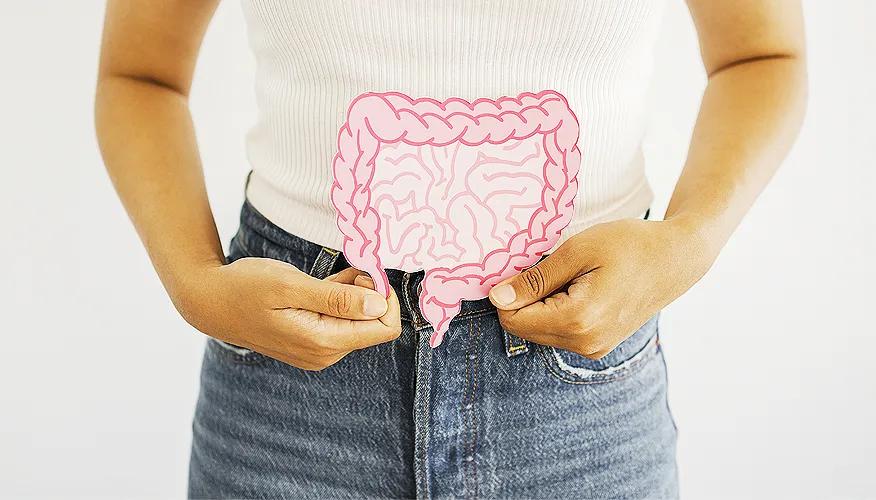
The microbiome refers to the trillions of microorganisms, including bacteria, fungi, and viruses, that live in and on your body.
The gut microbiome is the collection of microorganisms found in your digestive system, primarily in the intestines. A balanced gut microbiome is essential for overall health, aiding in digestion, immune function, and even mental health.
When your gut microbiome is in balance, it helps protect your body from harmful pathogens and supports various bodily functions.
However, an imbalance, known as dysbiosis, can lead to a host of health issues, from digestive problems to weakened immunity and even vaginal infections.
The vaginal microbiome: how it works
Similar to the gut, the vaginal microbiome consists of a variety of microorganisms, with Lactobacillus species being the dominant bacteria in a healthy vaginal environment.
Lactobacilli help maintain an acidic pH, which prevents the growth of harmful bacteria and yeast.
The vaginal microbiome is dynamic, and disruptions in its balance, caused by factors such as poor diet, antibiotic use, or hormonal changes, can lead to infections like bacterial vaginosis (BV) or yeast infections.
Just as gut health plays a pivotal role in the health of the digestive system, it turns out that your gut microbiome is also crucial in supporting the vaginal microbiome.
The gut-vagina connection: How gut health affects vaginal health
While the gut and vaginal microbiomes are separate entities, they are not isolated from one another.
There is a significant connection between the two, often referred to as the gut-vagina axis. Here is how they are linked:
- Immune system interaction: Both the gut and the vagina are lined with mucosal membranes, and they share a common immune system. A healthy gut microbiome supports a balanced immune response, which in turn helps the vagina fight off infections.
- Hormonal regulation: The gut microbiome influences hormone metabolism, including estrogen, which plays a key role in vaginal health. Imbalances in gut bacteria can affect estrogen levels, potentially leading to vaginal dryness, irritation, and an increased risk of infections.
- Inflammation and infection prevention: Dysbiosis in the gut can lead to systemic inflammation, which can affect the vaginal microbiome, making it more susceptible to infections such as BV or yeast infections. A balanced gut microbiome helps regulate inflammation and supports the vaginal flora in maintaining its healthy state.
- Antibiotic use and microbial imbalance: Antibiotics can disrupt both the gut and vaginal microbiomes, leading to a depletion of beneficial bacteria and an overgrowth of harmful pathogens. This can increase the risk of vaginal infections like yeast infections. Restoring gut health after antibiotic use can help prevent subsequent vaginal health issues.
Maintaining gut and vaginal health: practical tips
- Eat a balanced diet: A diet rich in fiber, fruits, vegetables, and fermented foods helps promote a healthy gut microbiome. Foods like yogurt, kefir, sauerkraut, and kimchi contain probiotics, which are beneficial bacteria that support gut and vaginal health.
- Take probiotics: Probiotics help replenish beneficial bacteria in both the gut and vagina. Regularly consuming probiotics through food or supplements can help restore balance and prevent infections like BV and yeast infections.
- Stay hydrated: Drinking plenty of water is essential for maintaining overall health, including gut and vaginal health. Proper hydration helps flush out toxins and supports healthy microbiomes.
- Avoid excessive use of antibiotics: While antibiotics are important for treating infections, overuse can disrupt the balance of both the gut and vaginal microbiomes. Always consult with your healthcare provider before using antibiotics and consider probiotics during and after antibiotic treatment to restore balance.
- Manage stress: Chronic stress can disrupt gut health and increase inflammation, making the body more susceptible to infections. Practicing relaxation techniques, like yoga, meditation, or deep breathing, can help manage stress and maintain a balanced microbiome.
- Practice safe sex: To prevent infections, practice safe sex by using condoms to reduce exposure to harmful bacteria and viruses that can disrupt the vaginal microbiome.
The role of gut health in preventing vaginal infections

Maintaining a healthy gut microbiome is key to preventing common vaginal infections such as:
- Bacterial vaginosis (BV): An imbalance in the vaginal microbiome, often caused by changes in pH or an overgrowth of harmful bacteria, can lead to BV. A healthy gut microbiome helps prevent this by supporting a strong immune system.
- Yeast infections: Disruption in the gut microbiome, particularly after antibiotic use, can allow Candida (the fungus responsible for yeast infections) to overgrow. Probiotics can help maintain balance and prevent recurrent yeast infections.
- Urinary tract infections (UTIs): An imbalanced microbiome can contribute to recurrent UTIs. A balanced gut microbiome helps reduce the risk of urinary infections by supporting the immune system and maintaining a healthy balance of bacteria in the vaginal area.

Conclusion
The connection between gut health and vaginal health is a powerful example of how our bodies work as an interconnected whole. By nurturing a healthy gut, you’re not just aiding digestion—you’re empowering your body’s natural defenses, supporting hormonal balance, and fostering intimate well-being.
It’s a reminder that small changes, like eating nutrient-rich foods, staying hydrated, and choosing probiotics wisely, can ripple through your life in meaningful ways.
Understanding this link is about more than health; it’s about embracing the synergy within your body and taking charge of your well-being. Because when you care for yourself holistically, you’re not just maintaining balance—you’re building a foundation for vitality, comfort, and confidence in every aspect of your life.
Meet our expert

Dr. Lozynska Liudmyla Yaroslavivna
Psychiatry & Psychotherapy
Ukraine
Dr. Lozynska Liudmyla YaroslavivnaMeet our expert
She graduated from Lviv National Medical University. She has a specialization in psychiatry and psychotherapy. She have published scientific articles: “Anemia of Pregnant Women”; “Urinary Tract Infections”.



How was the experience with article?
We'd love to know!