Ever notice how a sudden discomfort or pain can disrupt our daily routine and bring us face-to-face with health concerns we often overlook?
Amid the busy demands of modern life, one health issue that often sneaks up on us, especially when we least expect it, is fatty liver disease.
Fatty liver disease is one such silent yet potentially dangerous condition that affects a significant number of adults today. It's an issue we don't often hear about nor understand fully. Yet, understanding this disease - its causes, symptoms, and treatment - is key to maintaining our overall health and ensuring a better quality of life.
So, buckle up as we embark on a journey to better understand fatty liver disease - its causes, symptoms, and treatment options - helping us to put our best foot forward on the path towards wellness.
What is fatty liver disease?
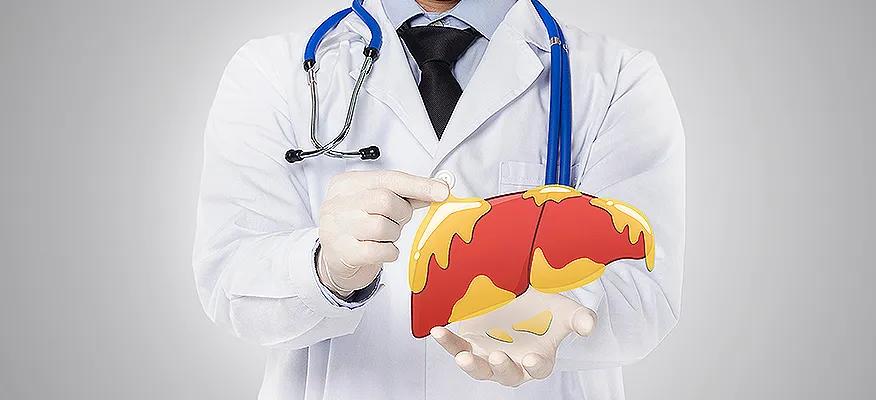
Fatty liver disease, also known as hepatic steatosis, is a condition where excess fat accumulates in the liver cells.
This condition may not show any symptoms in the early stages, but if left untreated, it can progress into more severe forms.
The excess fat within the liver cells can cause inflammation and damage, leading to scarring, or fibrosis. If the disease continues to progress, it may lead to cirrhosis or liver cancer.
In simple terms, your liver is like a filter for your body - it cleans out toxins from your body and helps digest food.
But when you have fatty liver disease, this process is interrupted. The liver becomes overloaded and starts to store fat within its own cells.
This is not healthy and can lead to serious health problems if it's not treated.
Types of Fatty Liver
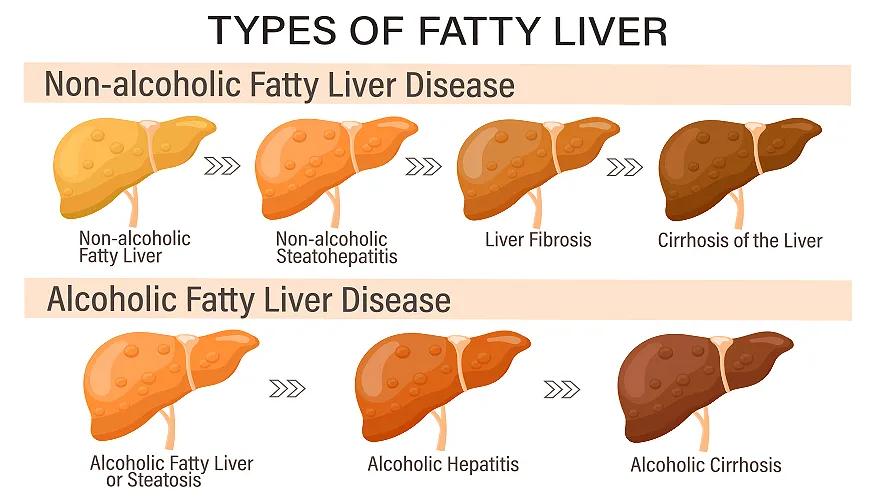
There are two primary types of fatty liver disease:
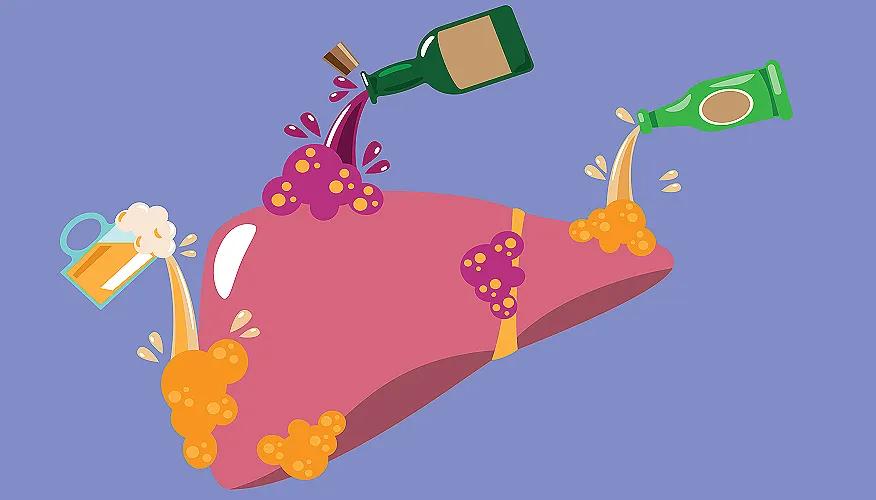
Alcoholic fatty liver disease: This type is caused by excessive alcohol consumption. It's a common occurrence in people who drink heavily over many years. However, not every person who drinks heavily will develop this condition.
Nonalcoholic fatty liver disease (NAFLD): This type is not related to alcohol consumption but is often seen in people who are overweight or obese, have high cholesterol or high triglycerides, and/or diabetes. There are two main forms of NAFLD:
Simple fatty liver: Characterized by fat accumulation in the liver without inflammation or liver cell damage. It usually does not progress or cause liver problems.
Nonalcoholic steatohepatitis (NASH): This is the advanced stage, characterized by inflammation and liver cell damage, which can lead to serious complications like cirrhosis or even liver cancer.
Fatty liver disease symptoms
Fatty liver disease often does not cause noticeable symptoms in its early stages. However, as the disease progresses, you may start to notice:
- Fatigue
- Unexpected weight loss
- Pain or discomfort in the upper right side of your belly
- Yellowing of the skin and eyes (jaundice), which is a sign of advanced disease
- Dark urine and pale-colored stool, also signs of advanced disease
Fatty liver disease risk factors
Certain factors increase your risk of developing fatty liver disease. These include:
- Obesity
- Insulin resistance and type 2 diabetes
- High cholesterol and dyslipidemia
- Central obesity, where excess fat is stored around the waist
- Hypertension, or high blood pressure
- Certain medications that can affect liver health
Fatty liver disease diagnosis
Diagnosing fatty liver disease involves several steps:
- Clinical evaluation: Your doctor will take a detailed medical history and conduct a physical examination.
- Blood tests: These tests check for abnormal liver enzymes, which can suggest liver damage.
- Imaging tests: An ultrasound or MRI can help detect fat deposits in the liver. Sometimes a CT scan may be used, but due to radiation concerns, it's not commonly recommended.
- Liver biopsy: This is considered the gold standard for diagnosing fatty liver disease. It involves removing a small piece of liver tissue for examination under a microscope.
Fatty liver disease complications
If not addressed promptly, fatty liver disease can lead to serious complications such as:
- Hepatic fibrosis: This is scarring of the liver tissue due to prolonged inflammation.
- Cirrhosis: This is severe scarring that can inhibit the liver's ability to function.
- Liver cancer: People with NASH are at an increased risk of developing liver cancer.
Liver transplantation: In severe cases of cirrhosis or liver failure, a liver transplant may be necessary.
LIVOLIN FORTE
Life expectancy with fatty liver disease
The impact of fatty liver disease on life expectancy largely depends on the stage and progression of the disease.
Early stages (simple fatty liver) generally do not significantly impact life expectancy. However, advanced stages like NASH and cirrhosis can significantly reduce life expectancy if not properly managed.
Fatty liver disease treatment
Currently, there are no specific medications for treating fatty liver disease. The primary treatment approach includes lifestyle modifications such as:
- Healthy diet: This includes avoiding excessive sugar, losing weight if overweight, and maintaining a balanced diet.
- Regular exercise: Regular physical activity can help improve overall health and reduce metabolic risk factors.
- Blood sugar control: If you have diabetes, managing your blood sugar can prevent further liver damage.
- Cholesterol management: If you have high cholesterol, appropriate treatment is necessary.
- Avoiding alcohol and smoking: These substances can cause further liver damage.
In certain cases, doctors may recommend a review of your current medications to avoid those that could harm the liver.
Fatty liver disease self-care
Self-care measures that can help manage and possibly reverse fatty liver disease include:
- Maintaining a healthy weight
- Engaging in regular physical activity
- Eating a healthy, balanced diet low in sugars and saturated fats
- Avoiding alcohol and smoking
- Regular health check-ups to monitor liver health
Can you prevent fatty liver disease?
The best way to prevent fatty liver disease is through maintaining a healthy lifestyle. This includes:
- Avoiding obesity through regular exercise and a balanced diet
- Managing metabolic disorders such as diabetes and high cholesterol
- Moderating alcohol consumption
Best diet for fatty liver disease
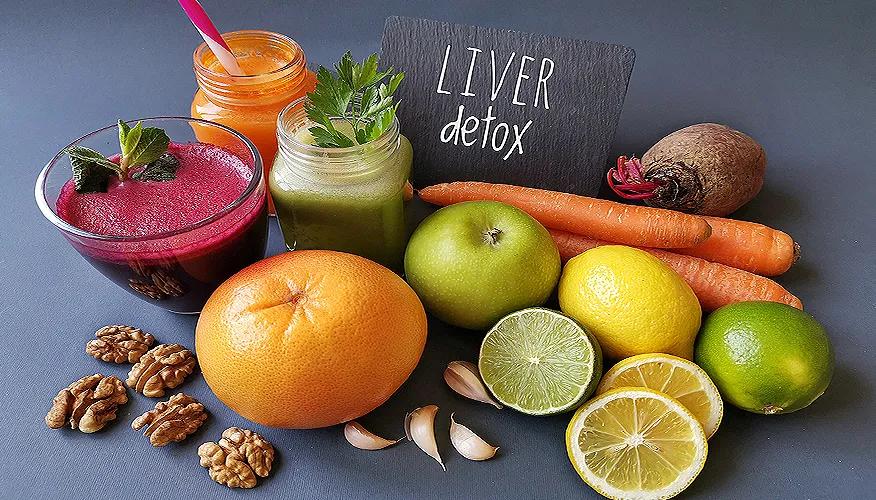
A healthy diet is crucial in managing fatty liver disease.
Here are some tips:
- Eat a balanced diet rich in fruits, vegetables, whole grains, and lean proteins.
- Limit foods high in sugar, saturated fats, and refined carbohydrates.
- Stay hydrated and limit your intake of processed foods.
When to see a doctor
If you have risk factors for fatty liver disease such as obesity, diabetes, or high cholesterol, and you start noticing symptoms like unexplained fatigue, abdominal pain, or discomfort, it would be wise to see a doctor. Early detection can help to manage the disease and prevent serious complications.
Conclusion
In conclusion, fatty liver disease is a significant health concern, but it can be managed and potentially reversed through lifestyle changes and early detection. Understanding the causes, symptoms, and treatment options for fatty liver disease is crucial for maintaining liver health and preventing complications.
Meet our expert

Meet our expert
Dr. Pulyk Nataliya Omelanivna is an Internal Medical Expert who is based out of Ukraine. With a special interest in internal medicine Dr Pulyk graduated from the Ternopil National Medical Academy in Ukraine, in the year 2001. Between the years 2002-2009, Dr Pulyk worked as an emergency physician. Her years of work as an emergency physician gave her immense exposure to a range of patients and an opportunity to learn on the job, and gather extensive experience.
How was the experience with article?
We'd love to know!