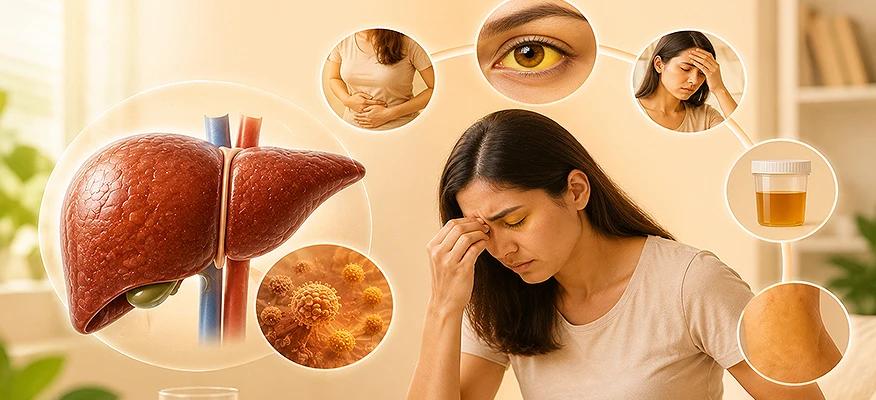
Hepatitis is a disease that causes inflammation of the liver, often due to viruses, alcohol, or autoimmune conditions. Jaundice, on the other hand, is a symptom marked by yellowing of the skin and eyes due to high bilirubin levels. Hepatitis can cause jaundice, but jaundice itself is not a disease.
‘My eyes are yellow — do I have hepatitis?’
This is one of the most common questions people ask when they notice yellowing of the skin or eyes. In many communities across Africa and Southeast Asia, the terms jaundice and hepatitis are often used interchangeably.
But they are not the same thing.
Jaundice is a symptom, while hepatitis refers to inflammation of the liver. Understanding the difference is important because the causes, treatment, and urgency can vary significantly.
Let’s break it down simply.
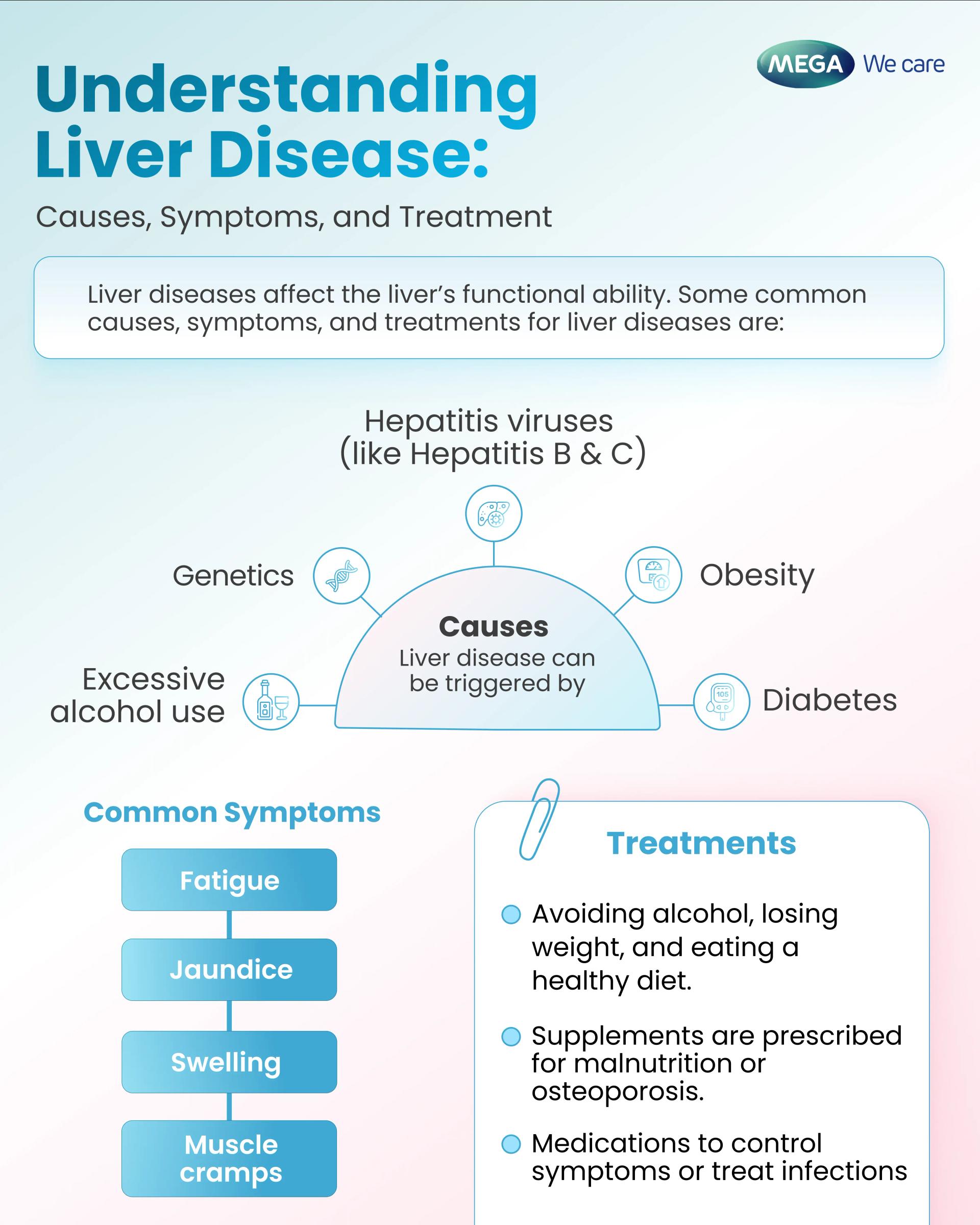
What is jaundice?
Jaundice is not a disease. It is a sign — like a warning light on a dashboard. It tells you something is wrong, but it does not tell you what.
Specifically, jaundice happens when a yellow substance called bilirubin builds up in your blood. Bilirubin is produced naturally when old red blood cells break down. Normally, your liver processes it and removes it from your body through your stool. When this process breaks down — whether because the liver is damaged, the bile ducts are blocked, or red blood cells are being destroyed too quickly — bilirubin accumulates in the blood and causes the skin, eyes, and mucous membranes to turn yellow.
Where you notice it first matters. If you have darker skin — as many people in Africa and Southeast Asia do — you may not notice yellowing of the skin immediately. You are more likely to first notice jaundice in the whites of your eyes. Check there first if you are concerned.
What causes jaundice?
Many medical conditions can cause jaundice, including hepatitis, gallstones, and tumours.
In Africa specifically, malaria and sickle cell disease are also important causes — conditions that destroy red blood cells faster than the liver can process the bilirubin produced.
In newborns, mild jaundice in the first days of life is extremely common and usually resolves on its own. Cleveland Clinic
The point is this: jaundice has many causes. Hepatitis is just one of them.
What Is hepatitis?
Hepatitis means inflammation of the liver. The word comes from the Greek hepar (liver) and itis (inflammation).
Some people with hepatitis have no symptoms at all, while others develop yellow discoloration of the skin and whites of the eyes, poor appetite, vomiting, tiredness, abdominal pain, and diarrhoea. Hepatitis is acute if it resolves within six months, and chronic if it lasts longer than six months. Wikipedia
That last point is critical: you can have hepatitis — including infectious, transmissible hepatitis — and feel completely normal. This is one of the main reasons it spreads so easily in communities.
What causes hepatitis?
There are five main viral types — hepatitis A, B, C, D, and E — each spread differently:
Hepatitis A and E spread through contaminated food and water. Hepatitis B, C, and D spread through blood and body fluids. Hepatitis B can also spread through sexual contact and from mother to child at birth.
Beyond viruses, hepatitis can also be caused by excessive alcohol use, certain medications, and autoimmune conditions — where the body's immune system mistakenly attacks the liver.
Why hepatitis B and C matter most in your region
In Africa, 63% of new hepatitis B infections worldwide occur — yet diagnosis and treatment coverage remains below 5%.
The same gap exists across much of Southeast Asia. Globally, an estimated 254 million people are living with hepatitis B and 50 million with hepatitis C, with deaths from viral hepatitis rising to 1.3 million in 2022. PubMed Centralnih
Most of those deaths are preventable. Most of those people did not know they were infected.
What is the difference between hepatitis and jaundice?
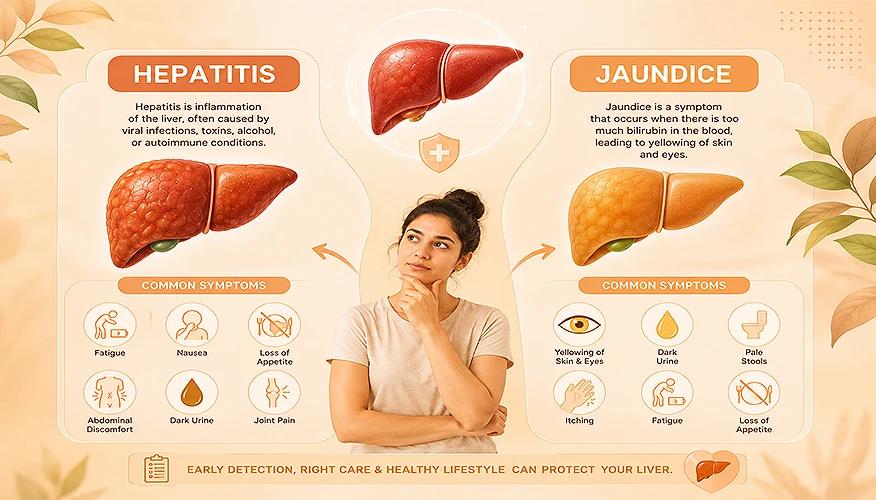
The outward symptoms of all liver disorders are very similar to each other, so you might mistake one liver problem for another.
But there are very clear medical distinctions between hepatitis (viral or non-viral) and jaundice. In viral hepatitis, the virus strain that’s causing it would be identified through tests.
Hepatitis vs jaundice: Key differences
| Feature | Hepatitis | Jaundice |
|---|---|---|
| What it is | Liver disease | Symptom |
| Cause | Virus, alcohol, autoimmune conditions | High bilirubin levels |
| Yellow skin | Sometimes | Always |
| Infectious | Yes (some types) | No |
| Severity | Can be serious | Depends on cause |
The clearest way to remember it: hepatitis can cause jaundice, but jaundice does not mean you have hepatitis.
Symptoms to know
Symptoms of jaundice
- Yellow skin and/or whites of the eyes
- Dark urine (the colour of strong tea or cola)
- Pale or clay-coloured stools
- Itchy skin
- Fatigue
- Abdominal pain or discomfort
Symptoms of hepatitis
- Fatigue and general weakness
- Nausea, vomiting, loss of appetite
- Mild fever
- Discomfort or pain in the upper right abdomen
- Joint pain
- Jaundice — but only in some cases, and often not at all in the early stages
When is jaundice a medical emergency?
Jaundice in adults always deserves medical attention. But some situations cannot wait.
Go to a hospital or clinic as soon as possible if yellow eyes or skin are accompanied by any of the following:
Confusion, swelling of the legs, or vomiting blood — these may indicate liver failure, a medical emergency.
Other urgent warning signs include:
- High fever with severe shaking chills
- Sudden, severe pain in the upper right side of the abdomen
- Rapid worsening of jaundice over hours, not days
- Bleeding or unusual bruising
Fever and severe, constant pain in the upper right abdomen can suggest acute cholangitis — an infection of the bile ducts — which is a medical emergency.
For newborns: Mild jaundice in the first week of life is common. However, jaundice in newborns is a global issue, with an estimated 1.1 million babies developing severe hyperbilirubinemia every year, especially in sub-Saharan Africa and South Asia. If your newborn's jaundice is deepening, spreading to the arms and legs, or the baby is very difficult to wake or feeding poorly — seek care that same day.
How are they diagnosed?
Neither condition should be self-diagnosed. A doctor will typically:
- Ask about your symptoms and recent history — travel, food and water sources, family members with similar symptoms, sexual history, any injections or blood transfusions
- Examine you, checking for enlarged liver or spleen
- Order blood tests to measure bilirubin levels and liver function
- Order hepatitis-specific tests to identify which virus, if any, is involved
- Possibly recommend an ultrasound to check for bile duct blockages or gallstones
Treatment for hepatitis and jaundice
Jaundice
Jaundice is not a disease itself — it is usually a sign of an underlying problem affecting the liver, gallbladder, or blood. This means treatment focuses on identifying and managing the root cause.
For example, if jaundice is linked to viral hepatitis, it may improve gradually as the liver recovers. However, yellowing of the eyes or skin should never be ignored, especially if it appears suddenly or is accompanied by fatigue, abdominal pain, fever, or dark urine.
Hepatitis
Treatment depends entirely on the type:
- Hepatitis A and E: Usually resolve on their own with rest, fluids, and avoiding alcohol. No specific antiviral medication is needed in most cases.
- Hepatitis B (acute): Often resolves without treatment but needs monitoring. Chronic hepatitis B requires antiviral medications taken long-term.
- Hepatitis C: Now highly curable — modern antiviral treatments can eliminate the virus in most people within 8–12 weeks. The challenge in many regions is access to testing and treatment.
- Alcoholic hepatitis: Requires stopping alcohol completely. No compromise.
Prevention: What you can actually do
- Get vaccinated for hepatitis B. This is the most important message in this entire article. A safe, effective vaccine for hepatitis B has existed for decades. WHO's 2024 updated guidelines prioritise simplified treatment and expanded vaccination — including antiviral prophylaxis for pregnant women to prevent mother-to-child transmission. Yet hepatitis B birth-dose immunisation coverage is only 45% globally, and less than 20% in the WHO African Region.
- If you have not been vaccinated, speak to a health worker about getting the hepatitis B vaccine. If your children have not received it at birth, ask about catch-up vaccination. This is one of the highest-impact health decisions you can make.
- Protect yourself from hepatitis A and E: Drink clean, treated water or boiled water. Wash hands thoroughly before eating and after using the toilet.
- Be careful with street food — ensure it is freshly cooked and hot.
- Protect yourself from hepatitis B and C: Avoid sharing needles, razors, clippers, or any sharp object that could carry blood.
- Ensure any medical injections, tattoos, or piercings use sterile equipment.
- Use condoms consistently.
- If you are pregnant, ask your healthcare provider about hepatitis B testing
When to see a doctor
You should seek medical attention if you notice symptoms that may indicate liver disease or worsening jaundice, including:
- Yellowing of the skin or eyes
- Persistent fatigue or weakness
- Severe abdominal pain or swelling
- Dark urine or pale-colored stools
- Unexplained nausea, vomiting, or loss of appetite
- Fever or chills with jaundice symptoms
Early diagnosis can help prevent complications and improve treatment outcomes.
Conclusion
There are many differences between hepatitis and jaundice. Jaundice is a symptom that can occur due to various liver diseases like cirrhosis, hepatitis, etc.
Jaundice is the yellowing of the skin and excessive levels of bilirubin cause this yellowing of the skin. Hepatitis is inflammation of the liver. This can be caused by viruses or other factors, and a long period of inflammation can cause permanent liver damage.
Hepatitis can often lead to cirrhosis or liver cancer and, hence, one must take great care once diagnosed with hepatitis. Jaundice usually requires rest and recuperation, along with medication.
Meet our expert

Meet our expert
Dr. Lynda Odoh-Anikwe, holding a Bachelor of Medicine and Bachelor of Surgery (M.B.B.S) degree, she pursued her Master of Public Health (MPH) at the University of Manchester. Actively engaged in advancing preventive healthcare, she is a member of the Society of Lifestyle Medicine Nigeria. Dr. Odoh-Anikwe aims to attain certification as a Lifestyle Medicine Physician from the International Board of Lifestyle Medicine by the final quarter of 2022.
How was the experience with article?
We'd love to know!