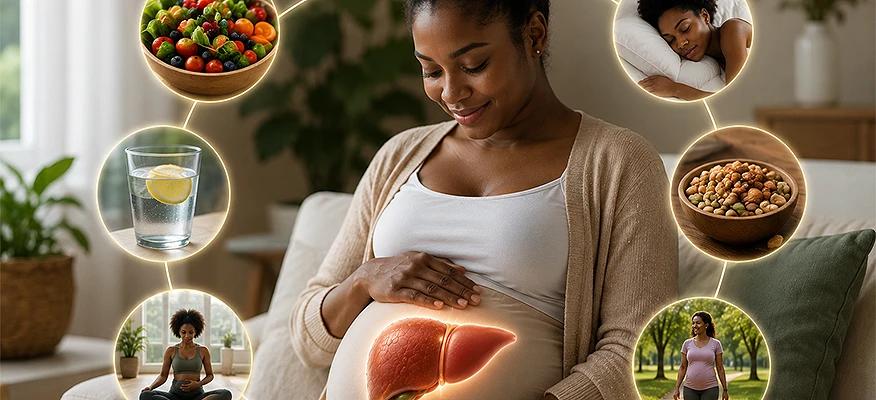
Most pregnancy advice focuses on folic acid, prenatal vitamins, sleep, and baby development. Rarely does anyone talk about the organ quietly doing some of the heaviest work during pregnancy — your liver.
And yet, your liver plays a critical role throughout these nine months. It helps process nutrients, filter toxins, regulate hormones, support digestion, and manage the increased demands of pregnancy. In fact, research shows that the female liver actually changes in size and function during pregnancy to help support both mother and baby.
The good news is that most pregnancy-related liver changes are manageable when recognised early. Supporting liver health during pregnancy often comes down to simple but important habits: eating well, staying hydrated, attending regular prenatal check-ups, and knowing the warning signs that should not be ignored.
That matters because liver-related complications during pregnancy are more common than many people realise. Research suggests that gestational liver disorders affect around 3% of pregnancies and, in some cases, may increase risks for both the mother and baby.
Pregnancy also places unique stress on the liver. Rising hormone levels can slow the normal flow of bile, which may contribute to conditions such as Intrahepatic Cholestasis of Pregnancy (ICP) - a condition linked to intense itching and increased pregnancy complications if left unmanaged. Other conditions, including preeclampsia and HELLP syndrome, may also affect liver function during pregnancy.
Experts are paying increasing attention to this issue globally. In a recent Lancet review, Professor Catherine Williamson and colleagues highlighted that rising obesity, diabetes, metabolic syndrome, and later-age pregnancies are contributing to increasing rates of pregnancy-related liver complications worldwide.
The important thing to remember is this: many liver-related pregnancy complications improve significantly with early diagnosis, medical guidance, and proper lifestyle support.
In this guide, we explore how to support liver health during pregnancy, including the best nutrition and lifestyle habits, early warning signs to watch for, and practical ways to help protect both maternal and fetal health naturally.
Understanding the signs of liver disease and taking steps to support liver health during pregnancy can help reduce the risk of complications and promote optimal health for both the mother and her baby.
This guide covers the science-backed nutrition, lifestyle habits, warning signs, and red flags that every expectant mother should know — to protect one of the body's most essential organs, at the moment it needs it most.
Why is liver health during pregnancy important
Liver health during pregnancy is crucial because the liver supports both the mother’s and the developing baby’s health. While the liver performs a wide range of functions in the body, its responsibility increases during pregnancy.
During pregnancy, the liver fulfils the increased demands of the mother's body due to the hormonal and metabolic changes that occur during this phase. For example, the liver must work harder to process the increased levels of hormones, such as estrogen and progesterone, produced during pregnancy.
The liver is also entrusted with the added responsibility of processing and eliminating any medications, supplements, or other substances the mother consumes, which can further strain its functioning.
It is also important to understand that the maternal blood volume and heart rate increase significantly, but there is no change in the blood supply to the liver. This can sometimes contribute to pregnancy liver problems, especially when the liver is already under stress.
What happens if the liver does not function normally during pregnancy
If the liver is not functioning properly during pregnancy, it can give rise to complications in the mother and the baby, which can be life-threatening to one or both.
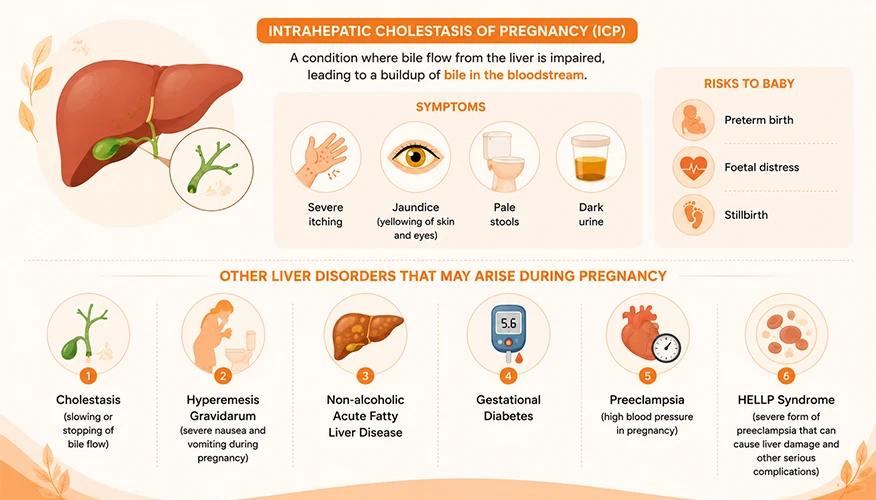
- One of the risks is developing intrahepatic cholestasis of pregnancy (ICP). This condition is characterized by impaired bile flow from the liver. As a result, ICP can cause severe itching and jaundice (yellowing of skin and white of the eye, pale stools, dark urine). It also increases the risk of preterm birth, foetal distress, and stillbirth.
Besides ICP, other potential liver disorders that may arise during pregnancy include:
- Cholestasis (slowing or stopping of bile flow)
- Hyperemesis Gravidarum (severe nausea and vomiting during pregnancy)
- Non-alcoholic Acute fatty liver disease
- Gestational diabetes
- Preeclampsia (high blood pressure in pregnancy)
- HELLP syndrome (a severe form of preeclampsia that can cause liver damage and other serious complications)
These conditions can significantly impact the health of the mother and her baby, highlighting the importance of supporting liver health during pregnancy. In some cases, fatty liver in pregnancy may also occur, which requires medical attention to prevent complications.
What are the signs of liver problems during pregnancy?
During pregnancy, certain physical changes may signal pregnancy liver problems. Being aware of the early signs of liver disease can help ensure timely diagnosis and treatment, which is important for protecting both the mother and the developing baby.
Some symptoms that may indicate liver issues during pregnancy include:
- Intense itching, particularly on the palms of the hands and soles of the feet
- Yellowing of the skin or whites of the eyes (jaundice)
- Dark-colored urine
- Pale or clay-colored stools
- Persistent fatigue or unusual weakness
- Ongoing nausea or vomiting
These symptoms may be associated with conditions such as intrahepatic cholestasis or fatty liver in pregnancy. If any of these warning signs appear, it is important to seek medical advice promptly so that appropriate tests and care can be provided.
Persistent itching, dark urine, yellowing of the eyes, or severe fatigue during pregnancy should never be ignored, as they may signal liver dysfunction.
How to support liver health during pregnancy
While pregnant women and those around them take extra care during this sensitive time, little thought is given towards liver health. Here are some tips on how you can support your liver health during pregnancy:
1. Eat a nutritious and balanced diet
A balanced diet that is rich in whole foods, fibre, and antioxidants can help support liver health during pregnancy.
This is because these foods provide the body with the nutrients and antioxidants it needs to function properly and can also help promote healthy digestion and elimination.
Examples of foods to include in a liver-healthy diet include:
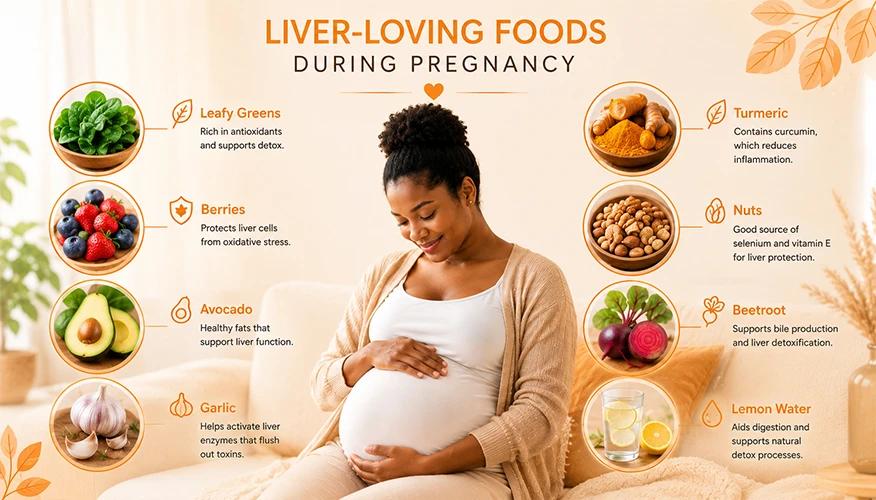
- Leafy greens and cruciferous vegetables: Spinach, kale, broccoli, and cauliflower are rich sources of folate, vitamin C, and fibre. These nutrients help keep the liver healthy during pregnancy and contain powerful antioxidant compounds. Leafy greens and cruciferous vegetables are easy to add to salads, soups, stir-fries, or smoothies for a nutrient-packed meal or snack.
- Nuts and seeds: These tiny wonders are an excellent source of healthy fats, fibre, and nutrients like vitamin E, which protect liver cells from damage due to inflammation. They also contain magnesium and zinc, which are required for various liver enzyme functions. Snacking on a few almonds, walnuts, or pumpkin seeds, or sprinkling them on salads or oatmeal for an extra boost of nutrition.
- Fruits high in vitamin C: Fruits like oranges, kiwi, papaya, and strawberries are high in vitamin C, an antioxidant which helps protect liver cells from oxidative stress. Vitamin C prevents fat accumulation in the liver and prevents inflammatory damage to the liver. Incorporate these fruits into your diet as a snack or dessert, or add them to smoothies or salads for extra flavour and nutrition.
2. Stay hydrated
Staying hydrated is essential, and more so during pregnancy. Staying hydrated is also good for your liver as it helps flush toxins and waste products out of the body, thereby reducing the burden on the liver.
3. Avoid alcohol and excess caffeine
The liver metabolises and eliminates alcohol and caffeine. When consumed in excess amounts, these substances can overwhelm the liver. During pregnancy, when the liver is already burdened with changes in the body, consuming excessive amounts of caffeine or alcohol can harm the liver and jeopardise the health of the mother and the baby.
So, it is advised that pregnant women limit their consumption of these substances during pregnancy.
4. Get regular exercise
Regular exercise can also help support liver health during pregnancy. Exercise improves blood circulation, promotes healthy digestion and aids in the removal of wastes and toxins, all of which reduce the burden on the liver.
Exercise also helps maintain optimum weight during pregnancy, which reduces the risk of common conditions like fatty liver in pregnancy, gestational diabetes, etc., which can significantly impact the liver's functioning.
5. Avoid exposure to toxins and chemicals
During pregnancy, avoiding exposure to toxins and chemicals that can harm the liver is vital. These include cleaning products and other household chemicals containing harsh or toxic ingredients. Additionally, environmental toxins like those found in polluted air should be avoided.
6. Use safe supplements
Many women are drawn to natural remedies and supplements during their pregnancy. However, you must ensure they are safe for consumption by pregnant women.
Many supplements and natural remedies can also help support liver health during pregnancy. Milk thistle and dandelion root are traditionally used to support liver health and function. However, always speak with your doctor before using any medicines, supplements, herbal or natural remedies during pregnancy.
When should you see a doctor?
Some liver-related changes during pregnancy can be mild and temporary. However, certain symptoms should never be ignored, especially if they appear suddenly, become severe, or continue for several days.
You should speak to a doctor immediately if you experience persistent itching, yellowing of the eyes or skin, dark urine, pale stools, severe nausea, unusual swelling, extreme fatigue, or pain in the upper right side of the abdomen. These symptoms may sometimes signal liver stress or pregnancy-related liver complications that require medical attention.
It is also important to seek medical care if you develop high blood pressure, severe headaches, blurred vision, vomiting that does not improve, or reduced fetal movement during pregnancy.
Early diagnosis can make a significant difference. Research shows that timely monitoring and treatment of liver-related pregnancy complications may help reduce health risks for both the mother and baby.
Persistent itching, jaundice, dark urine, or severe fatigue during pregnancy should always be medically evaluated.
Conclusion
Supporting liver health during pregnancy is an important part of ensuring the well-being of both mother and baby. Healthy eating habits, staying well hydrated, engaging in safe physical activity, and following medical recommendations can help lower the risk of pregnancy liver problems.
If you notice any signs of liver disease, consult your healthcare provider promptly for evaluation and guidance.
Meet our expert
GHBY Team
GHBY TeamMeet our expert
GHBY Team comprises content writers and content editors who specialise in health and lifestyle writing. Always on the lookout for new trends in the health and lifestyle space, Team GHBY follows an audience-first approach. This ensures they bring the latest in the health space to your fingertips, so you can stay ahead in your wellness game.
How was the experience with article?
We'd love to know!