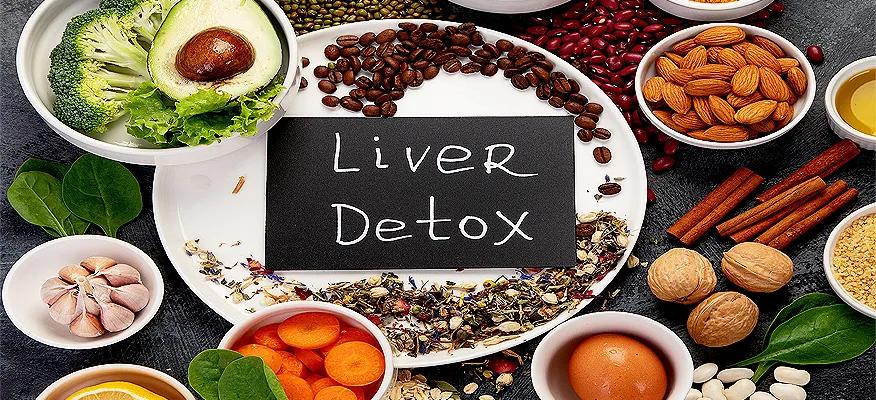
Your liver is one of the hardest-working organs in your body—filtering toxins, breaking down fats, and keeping your system running smoothly. But in today’s world of processed foods, environmental pollutants, and daily stress, your liver can easily get overwhelmed.
The good news? Nature has a powerful antidote. Natural foods for liver detoxification don’t just support your liver — they can transform your overall health.
From leafy greens to antioxidant-rich fruits, the right foods can boost your energy, clear up your skin, improve digestion, and even lift your mood. In this blog, we’ll explore how eating right can give your liver the love it deserves — and why a healthy liver might just be your body’s ultimate secret weapon.
Let’s dive in and discover the healing power on your plate.
Why is liver detoxification important?
Let's delve into the core question - what is liver detoxification? The liver is a powerhouse organ, doing a lot of heavy lifting when it comes to keeping you healthy.
One of its most significant roles is detoxification, where it filters toxins from the bloodstream. But that's not all it does.
The liver’s primary functions
- Detoxification: Detoxification is an essential process where the liver works tirelessly to filter out toxins from our bloodstream, ensuring that our body remains free from harmful substances.
- Metabolism: Beyond detoxification, the liver also plays an important role in metabolism. It processes nutrients from the food we consume, converting them into energy that fuels our body. Think of it as a sophisticated power station, churning out energy to keep us running.
- Nutrient storage: Lastly, the liver serves as a storage unit for essential vitamins and minerals such as vitamin A, D, K, B12 and folic acid. So, it acts like a warehouse too, storing all the vital nutrients for times when our body needs them.
Signs of a stressed or overburdened liver
How do you know when your liver is overburdened? Well, there are several signs to watch out for:
- Chronic fatigue: If you're constantly feeling exhausted, even after a full night's sleep, your liver may be overwhelmed with toxins, impairing its ability to perform essential functions. This fatigue can leave you feeling drained, sluggish, and unable to muster energy throughout the day.
- Brain fog: Difficulty concentrating, memory lapses, or a general sense of mental haze may signal liver stress, as toxins accumulate and disrupt cognitive function. The liver plays a role in detoxifying the brain, and when it’s overloaded, it can impact mental clarity.
- Joint or muscle pain: Persistent aches or discomfort in your joints or muscles could indicate that your liver is struggling to filter out harmful substances, leading to their buildup in the body. Toxins accumulating in the bloodstream can trigger inflammation, causing these pains.
- Skin problems: Acne, rashes, or an increase in blemishes may reflect a stressed liver's inability to process toxins, causing them to exit through the skin. The skin is the body’s largest organ, and when the liver is overwhelmed, it may use it as a backup method of detoxification.
- Digestive issues: Frequent bloating, gas, constipation, or indigestion could indicate that your liver is struggling to produce enough bile or handle the digestion process properly. As the liver’s detoxification capacity diminishes, your digestive system becomes sluggish and less efficient.
- Insomnia: Difficulty falling or staying asleep could be a consequence of liver overload, as the liver's detox process occurs during sleep. When it's not functioning optimally, the body's natural sleep cycles can be disrupted, leading to poor-quality rest.
- Frequent headaches: Regular headaches may point to an overloaded liver, as it fails to filter out toxins that can build up in the bloodstream and affect the nervous system. The pressure from toxin buildup can trigger migraines or persistent head pain.
- Insatiable cravings: Cravings for sugar, salty foods, or other unhealthy items can be a sign that your liver is struggling to maintain balanced blood sugar levels. When the liver is overburdened, it may not regulate insulin properly, leading to cravings as the body seeks quick energy fixes.
Benefits of a healthy liver for overall well-being
A healthy liver isn't just essential for detoxification; it also contributes significantly to your overall well-being in the following ways:
- Optimal metabolism: A well-functioning liver ensures efficient processing of nutrients and energy production.
- Enhanced immune function: With fewer toxins to deal with, your body can better defend against infections and diseases.
- Improved digestion: A healthy liver means better nutrient absorption and regular bowel movements.
- Skin health: When your liver is functioning well, it reflects on your skin too, making it clear and healthy.
- Energy levels: A detoxified liver ensures consistent and high energy levels.
- Mental clarity: Better liver health can lead to improved cognitive function and reduced brain fog.
How natural foods aid liver detoxification
Liver detoxification foods are natural foods that play a pivotal role in helping your liver cleanse itself from harmful toxins.
Role of nutrients in liver health
Certain nutrients are vital for maintaining a healthy liver:
- Antioxidants: Foods rich in antioxidants, such as vitamins C and E, help protect liver cells from oxidative damage and support the detoxification process.
- Vitamins and minerals: Vitamins A, B, C, and minerals like zinc, magnesium, and selenium are essential for supporting the liver's detoxification pathways.
Role of natural foods in liver health
Natural foods not only provide necessary nutrients but also aid in neutralizing harmful toxins and promoting cellular repair:
- Detox enzymes activation: Foods like garlic and cruciferous vegetables activate enzymes in the liver that help flush out toxins.
- Cellular repair: Antioxidant-rich foods like turmeric and leafy greens help repair damaged liver cells and protect against further harm.
Top natural foods for liver detoxification
Looking for a list of liver-friendly foods? Here are some top natural foods for liver detoxification:
- Cruciferous vegetables: Broccoli, kale, and cauliflower top the cruciferous vegetables list. These veggies are high in sulforaphane, a compound that triggers cleansing enzymes to flush out carcinogens and other toxins.
- Citrus fruits: Lemon, lime, and oranges lead the citrus fruits list. They are rich in vitamin C and antioxidants that support the liver's natural cleansing abilities.
- Leafy greens: Spinach, arugula, and other leafy greens are high in chlorophyll, which absorbs environmental toxins from the bloodstream and helps detoxify the liver.
- Herbs and spices: Turmeric helps repair liver cells with its anti-inflammatory property, garlic activates liver detox enzymes, and ginger also has anti-inflammatory benefits.
- Healthy fats: On your healthy fats food list, include avocados, nuts, and seeds. These foods are rich in antioxidants and essential fats.
- Teas and beverages: Green tea is rich in antioxidants that support liver function, while dandelion root tea helps break down fats and produce amino acids necessary to rid the liver of toxins.
Simple tips to incorporate natural liver-detox foods into your diet
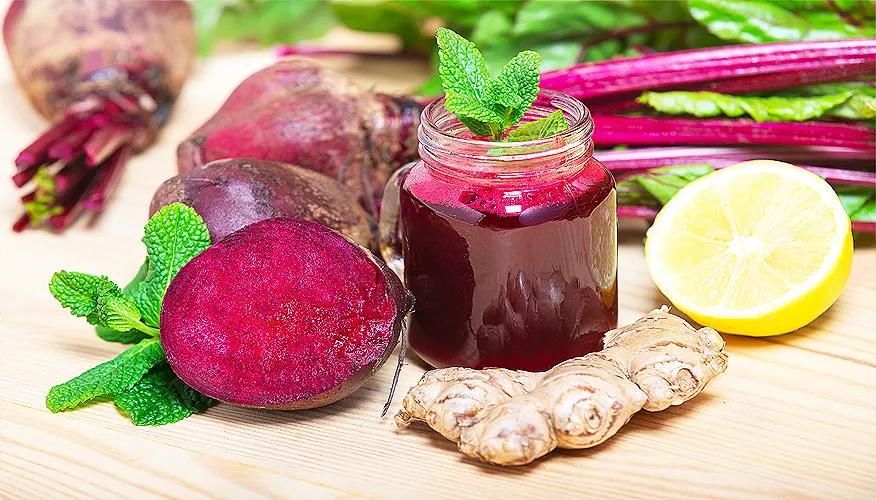
Here are some simple and practical tips to incorporate these liver-friendly foods into your diet:
- Smoothies: Blend leafy greens, citrus fruits and some avocado for a nutritious, liver-loving smoothie.
- Salads: Add cruciferous vegetables, nuts and seeds to your salad for an extra boost of detoxifying nutrients.
- Teas: Start your day with a cup of green tea or wind down with a relaxing cup of dandelion root tea.
- Lemon water: This simple habit can work wonders for your liver. Drinking warm water with lemon juice first thing in the morning can stimulate bile production – an essential part of the detoxification process.
Lifestyle changes to complement liver detoxification
Your lifestyle also plays a massive role in liver health. Here are some changes you can make:
- Hydration: Water is crucial for supporting the liver's detoxification processes. Make sure you're drinking enough throughout the day.
- Regular exercise: Regular physical activity helps manage weight, reduces stress, and boosts the detox process, hence the advantages of regular exercise.
- Reducing alcohol, processed foods, and toxins: Avoid processed foods, alcohol, and toxins in your environment to reduce the load on your liver.
Conclusion
Supporting your liver health through the right foods and lifestyle changes is essential for overall well-being. By incorporating natural liver-detox foods into your daily diet and adopting healthier habits, you can enhance your body's natural detoxification processes and maintain a glowing health!
Meet our expert
.webp&w=1920&q=75)
Meet our expert
She holds a Bachelor of Science (Hons) in Dietetics with Nutrition from International Medical University (IMU) and became a registered dietitian in 2025. She is dedicated to providing evidence based and individualized Medical Nutrition Therapy (MNT) to help individuals make informed health decisions.
How was the experience with article?
We'd love to know!