
Oh, the joys and woes of womanhood! One minute you’re conquering the world with an energy that would put superheroes to shame, and the next moment, you’re hit by a wave of fatigue so strong that even getting out of bed seems like climbing Mount Everest. And just when you thought it couldn’t get any more unpredictable, here comes perimenopause!
Perimenopause is the transition phase before menopause where our bodies start preparing for the end of our menstrual cycles. It’s a time marked with a roller-coaster of hormonal changes which can lead to a spectrum of symptoms from hot flashes to mood swings. And trust me, it’s not as terrifying as it sounds—especially when you have the right information and tools in your arsenal.
But here’s a little secret—regular exercise is one of the best ways to ease into this transition and manage these symptoms!
Why exercise, you ask? Let’s dive into this together. This blog will guide you through the 10 best exercises for perimenopause and show you how breaking a sweat could actually bring some cool relief during these tumultuous times.
Importance of exercise during perimenopause

Embracing exercise during perimenopause can bring impressive benefits for your physical and emotional well-being.
Regular workouts can help manage symptoms like weight gain, mood swings, sleep disturbances, and hot flashes that often accompany this stage of life. It's not unusual to wonder, does exercise help perimenopause symptoms? The answer is a resounding yes!
- Firstly, exercise is a natural mood enhancer. Physical activity releases endorphins, also known as the body’s ‘feel-good’ hormones, into the bloodstream.
- These hormones can help combat anxiety and depression that women may face during perimenopause.
- Moreover, exercise improves sleep quality, which is often compromised during this stage.
- Regular workouts for perimenopause can promote deeper, more restful sleep, reducing tiredness and irritability.
Exercise also provides an effective strategy to control weight during perimenopause. It is common for women to experience weight gain due to hormonal changes during this period. A consistent workout regime can help maintain a healthy weight or aid in weight loss if necessary. Furthermore, regular exercise strengthens your heart and bones, which require extra care during perimenopause as the risks of heart disease and osteoporosis increase.
Top 10 exercises for perimenopause
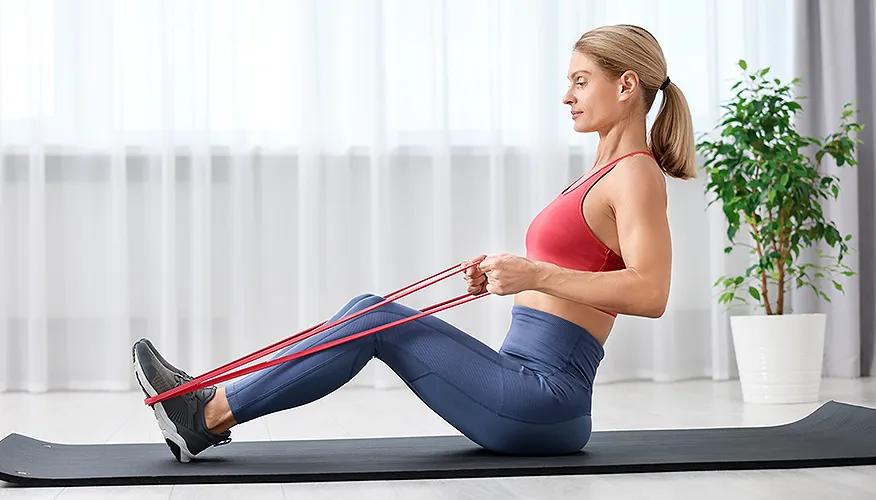
Engaging in regular physical activity is crucial for managing menopause symptoms and maintaining overall health.
Here are the ten best exercises for perimenopause to consider:
1. Walking
Walking is a simple, low-impact workout that is perfect for all fitness levels. It helps improve cardiovascular health and maintain weight.
Steps: Wear comfortable shoes and maintain a brisk pace, but don’t overdo it to avoid strain.
Duration: Aim for at least 30 minutes daily to reap its full benefits.
Safety Tip: Warm up before your walk and cool down afterward to prevent injuries.
2. Yoga
Yoga is renowned for its ability to manage perimenopause symptoms by promoting relaxation, flexibility, and overall well-being.
Steps: Start with simple poses such as Downward Dog or Child's Pose, gradually progressing to more advanced poses as you gain confidence.
Duration: Practice yoga for 20-60 minutes daily to enhance its calming effects.
Safety Tip: Always listen to your body and avoid pushing yourself into uncomfortable positions.
3. Pilates
Pilates focuses on core strength and can effectively combat perimenopause weight gain while improving posture and muscle tone.
Steps: Begin with basic Pilates exercises like leg circles or the hundred, gradually increasing the intensity as you gain strength.
Duration: Aim for 20-60 minutes three times a week to see noticeable improvements.
Safety Tip: Focus on maintaining proper form throughout each movement to prevent strains or injuries.
4. Cycling
Cycling is a low-impact aerobic exercise that enhances cardiovascular fitness without stressing your joints excessively.
Steps: Choose a comfortable bike and maintain a steady pace outdoors or on a stationary bike indoors.
Duration: Cycle for 30 minutes to an hour three times a week to strengthen your heart and lungs.
Safety Tip: Always wear appropriate safety gear such as a helmet and gloves, especially when cycling outdoors.
5. Swimming
Swimming is a full-body workout that tones muscles, improves endurance, and is gentle on the joints, making it ideal for perimenopausal women.
Steps: Start with freestyle swimming or try other strokes like breaststroke or backstroke to vary your workout.
Duration: Aim for 30-60 minutes of swimming twice a week to maximize its benefits.
Safety Tip: Never swim alone, and ensure there is a lifeguard on duty if you are swimming in open water.
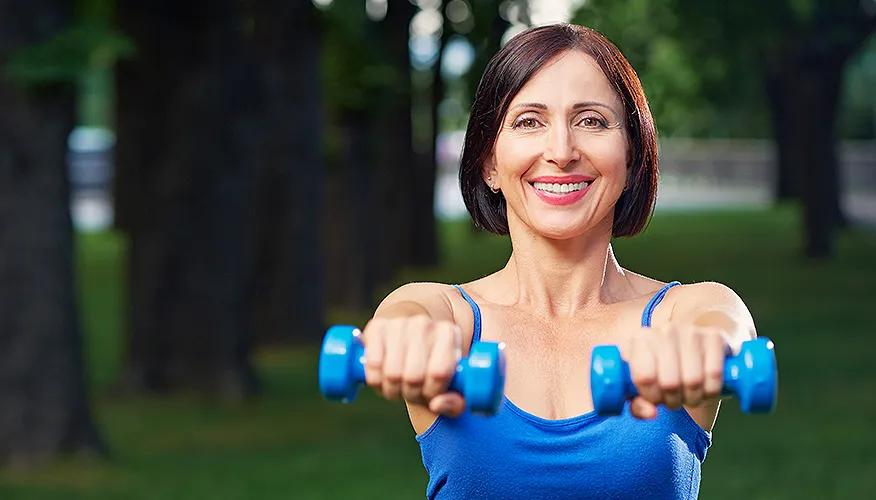
6. Strength training
Strength training helps counteract muscle loss that can occur during perimenopause, boosting metabolism and promoting bone health.
Steps: Begin with light weights and gradually increase resistance as your strength improves, focusing on major muscle groups like legs, arms, and core.
Duration: Perform strength training exercises for 20-30 minutes twice a week to see improvements in muscle tone and overall strength.
Safety Tip: Always use proper technique to avoid injury, and consider consulting a fitness trainer to learn the correct form.
7. Aerobics
Aerobic activities such as step aerobics or dance aerobics are excellent for improving heart health, managing weight, and enhancing mood.
Steps: Choose aerobic exercises you enjoy and can sustain for 30-60 minutes thrice a week.
Duration: Maintain hydration by keeping water handy during your workout sessions.
8. High-Intensity Interval Training (HIIT)
HIIT involves alternating between short bursts of intense exercise and periods of rest or lower-intensity exercise, making it an efficient way to burn calories and improve cardiovascular fitness.
Steps: Incorporate exercises like sprinting, jumping jacks, or burpees for 15-30 minutes per session, two to three times weekly.
Safety Tip: Warm up thoroughly before starting HIIT to prepare your muscles and reduce the risk of injury.
9. Tai Chi
Tai Chi is a gentle, low-impact exercise for perimenopause weight gain rooted in Chinese martial arts that promotes balance, flexibility, and mental calmness.
Steps: Follow the flowing movements and deep breathing exercises of Tai Chi routines, focusing on relaxation and mindfulness.
Duration: To experience its full benefits, Practice Tai Chi for 30-60 minutes per session, two to three times weekly.
Safety Tip: Choose a quiet environment where you can concentrate on your movements without distractions.
10. Stretching
Stretching is among the best exercises for perimenopause as it enhances flexibility, improves posture, and reduces muscle tension, making it crucial for preventing injuries and maintaining mobility.
Steps: Incorporate stretches that target major muscle groups such as hamstrings, quadriceps, and shoulders, holding each stretch for 10-15 seconds.
Duration: Spend 10-15 minutes daily on stretching exercises to maintain flexibility and range of motion.
Safety Tip: Avoid bouncing during stretches and never push your body beyond its comfort zone to prevent strains or sprains.
Easy ways to add exercise to your routine

While understanding the importance of exercise during perimenopause is one thing, incorporating it into your daily life can be challenging.
Here are some simple ways to make exercise a regular part of your routine:
1. Start small
If you’re new to exercise or getting back into it after a break, start with shorter periods of activity. Gradually increase the duration and intensity as your stamina builds. For instance:
- Begin with 10-15 minutes: Start with a manageable amount of time, such as a 10-15 minute walk or a short yoga session.
- Incremental increases: Slowly add a few minutes each week or increase the intensity of your workouts to build endurance and strength.
- Celebrate progress: Recognize and celebrate your progress, no matter how small, to stay motivated and committed.
2. Mix it up
Incorporating a variety of exercises can keep things interesting and ensure you work different muscle groups, preventing boredom and reducing the risk of injury. Consider the following:
- Alternate activities: Rotate between aerobic exercises (like walking or swimming), strength training, yoga, and Pilates throughout the week.
- Try new workouts: Explore different types of exercises, such as dance classes, kickboxing, or cycling, to find what you enjoy the most.
- Seasonal activities: Take advantage of seasonal activities, like hiking in the spring and summer or ice skating in the winter, to keep your routine fresh and engaging.
3. Make it fun
Finding activities you enjoy can make exercising feel less like a chore and more like a fun part of your day. Consider these ideas:
- Dance: Put on your favorite music and dance around your living room. Dancing is a great way to get your heart rate up and have fun at the same time.
- Hiking: Explore local trails or parks. Hiking offers a scenic and invigorating way to exercise outdoors.
Gardening: Gardening involves physical activity like digging, planting, and weeding, which can be a great workout for perimenopause.
CALCIVITA FORTE
Conclusion
The journey through perimenopause might feel overwhelming at times. It's a period of significant change, but by incorporating regular workouts into your routine, you can navigate this stage more easily and confidently.
Remember, the best exercise for perimenopause is one you enjoy and are likely to stick with.
Practicing a combination of cardio, strength training, and flexibility exercises can help manage weight gain and improve mood, enhance sleep quality, and strengthen your heart and bones.
So, whether it's walking in the park, practicing yoga in your living room, or swimming at your local pool, every step taken is a step towards better health during this phase of life.
Meet our expert

Meet our expert
In her role as the Product Consultant Manager at Mega BiO-LiFE, Jillian Lai Mei Siew is instrumental in fostering a cohesive team spirit among all Product Consultants. Her primary objective is to ensure that each consultant is equipped with accurate and relevant health and nutritional information to better serve clients.



How was the experience with article?
We'd love to know!