
Here’s a nod to all the ladies out there who’ve ever wondered, ‘Why do my breasts feel different?’ Well, strap in for an enlightening journey as we explore the link between the changes in your breasts and the rollercoaster ride we call menopause.
Just as the seasons of the year bring about change, so does the season of a woman’s life, known as menopause. It can sometimes feel like a wild ride, featuring hot flashes, mood swings, sleep disturbances, and, yes, changes to your breasts too.
Among the various transformations happening in our bodies during menopause, breasts often undergo noticeable modifications. It’s like they’re saying, ‘Hey, we're on this ride too!’ Breast pain, tenderness after menopause, and even itchy breasts are but a few symptoms women may experience.
Ever stop and wonder why these changes occur? Could hormonal fluctuations be the primary culprits? Or is there more to it than meets the eye?
Stay tuned as we unravel this mystery and provide valuable insights into how menopause affects your breasts. So, gear up for a wealth of knowledge that might just turn your 'Why?' into 'Aha!'"
Hormonal changes during menopause
Menopause is a natural phase in a woman’s life marked by the cessation of her menstrual cycle. This transition is primarily driven by hormonal fluctuations, specifically a decrease in estrogen and progesterone levels. These hormones play key roles in regulating the menstrual cycle and maintaining pregnancy, but they also have significant effects on breast tissue.
Estrogen stimulates the growth of duct cells in the breasts, while progesterone oversees the development of milk-producing cells. During menopause, the decreased production of these hormones can lead to various changes in your breasts.
However, each woman’s experience with menopause and breast changes is unique and can be influenced by other factors like genetics and overall health.
Common breast changes during menopause
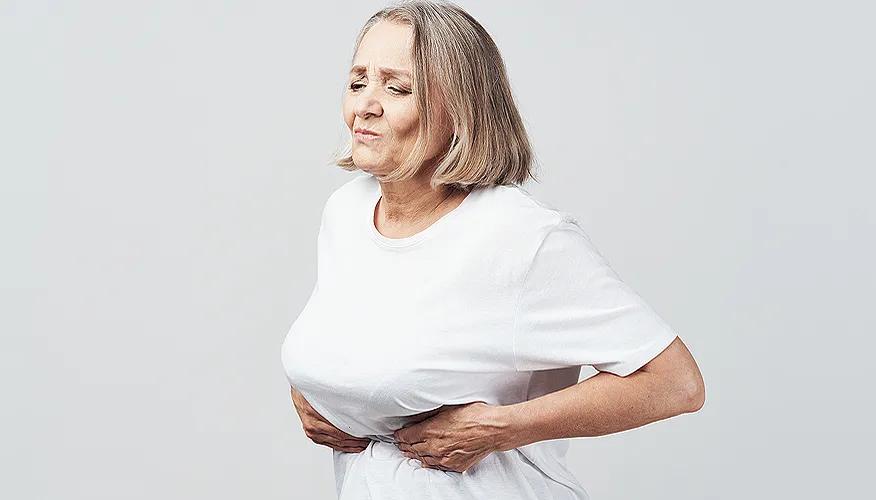
During menopause, many women notice changes in their breasts. These alterations can range from mild to more noticeable and can include breast tenderness and pain, a shift in breast size and shape, and modifications in breast density.
Breast tenderness and pain during menopause are often caused by hormonal changes. Unlike the predictable breast tenderness many women experience before their periods, menopausal breast pain can be sporadic and last longer.
The size of your breasts may increase or decrease due to hormonal shifts or weight gain associated with age. Moreover, your breasts may become less dense as fatty tissue replaces glandular tissue, which could impact mammogram results.
Breast lumps and menopause
Many women may detect lumps or bumps in their breasts during menopause - this is quite common. These lumps can be benign (noncancerous) conditions like cysts or fibroadenomas. Nonetheless, it’s crucial to differentiate between benign and potentially malignant (cancerous) lumps for early treatment.
Regular self-breast examinations and mammograms are recommended to promptly identify any unusual changes or lumps in your breasts.
If you find a lump or notice other changes, do not panic, but make sure to get it checked by your physician.

Skin and nipple changes
With menopause, you might notice changes in the skin of your breasts and nipples.
Decreased levels of estrogen can lead to reductions in skin elasticity and alterations in texture, resulting in more sagging or wrinkled skin. Moreover, some women may experience nipple discharge.
Although often benign, a healthcare provider should evaluate any new or unusual discharge to rule out conditions like infection or cancer.
Risk of breast cancer
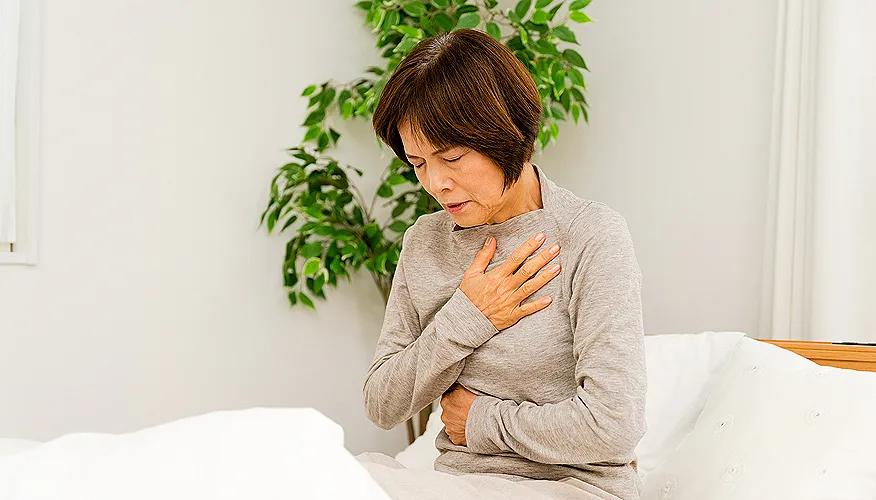
Menopause can bring about significant changes in a woman’s body, including increased risk factors for breast cancer.
As women age, the risk of developing breast cancer naturally increases. Additionally, the decrease in estrogen and progesterone levels during menopause can lead to hormonal fluctuations, which may contribute to the development of breast cancer. Understanding these risks is crucial for taking proactive measures to protect breast health.
Early detection of menopause and breast cancer can significantly improve treatment outcomes. Regular mammograms and self-examinations are essential for monitoring breast changes during menopause. Women should also be aware of symptoms such as breast lumps, breast inflammation menopause, breast discharge after menopause, and other unusual changes.
Promptly consulting a healthcare provider if any of these signs are detected can lead to early intervention and better management of the condition.
Making healthy lifestyle choices can help reduce the risk of breast cancer. Incorporating a plant-based diet rich in fruits, vegetables, whole grains, and legumes can provide essential nutrients and antioxidants that support overall health.
Regular physical activity, maintaining a healthy weight, limiting alcohol intake, and avoiding smoking are also critical steps in reducing the risk of breast cancer. These lifestyle changes not only benefit breast health but also improve overall well-being.
Emotional and psychological impact
Menopause and breast changes can cause significant anxiety and stress for many women.
Physical changes, such as sore breasts during menopause, breast tenderness after menopause, and itchy breasts during menopause, can lead to emotional distress. It's essential to address these feelings and seek support when needed.
Counseling, support groups, and open communication with loved ones can help manage the emotional and psychological impact of these changes. Mindfulness practices, such as meditation and yoga, can also be beneficial in reducing anxiety and stress.
Managing breast health during menopause
1. Healthy diet and nutrition
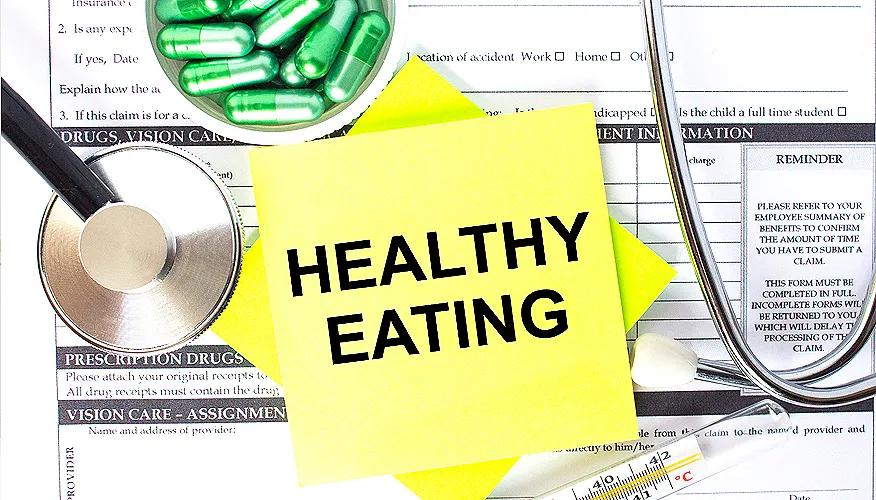
- A healthy diet plays a vital role in managing breast health during menopause. Emphasize plant-based foods such as leafy greens, berries, nuts, seeds, and legumes to provide the body with essential vitamins and minerals.
- Foods high in antioxidants, like blueberries and broccoli, can help combat oxidative stress and support overall health. Avoiding processed foods and reducing sugar intake can also contribute to better breast health.
2. Regular exercise
- Regular exercise is essential for maintaining a healthy body and reducing the risk of breast cancer.
- Activities such as walking, swimming, cycling, and yoga can help maintain a healthy weight, reduce stress, and improve overall well-being.
- Exercise also promotes hormonal balance, which can alleviate some of the breast changes during menopause, such as breast pain menopause and breast cysts menopause.
3. Routine medical check-ups
- Routine medical check-ups are crucial for monitoring breast health during menopause. Regular mammograms, clinical breast exams, and self-examinations can help detect any changes early.
- Women should discuss any concerns, such as breast lumps and menopause, with their healthcare provider to ensure appropriate screenings and interventions are conducted.
4. Hormone Replacement Therapy (HRT)
- Hormone Replacement Therapy (HRT) can be an effective treatment for managing symptoms of menopause, including breast changes.
- However, it’s important to discuss the risks and benefits with a healthcare provider, as HRT can influence the risk of breast cancer.
- Personalized treatment plans can help balance hormone levels and alleviate symptoms while considering the individual's risk factors.
Conclusion
Menopause is an inevitable phase of life that brings about several changes in a woman’s body, including her breasts. It is crucial to understand these changes to detect any abnormalities early and seek timely medical intervention. Regular self-examinations and mammograms can aid in this process.
While menopause can be challenging due to the physical and emotional changes, it’s also an opportunity for women to pay closer attention to their bodies. Taking care of your health should always be your top priority, and menopause is a time when this becomes even more essential.
So, embrace this new phase with knowledge and care, knowing that you have the power to manage your health effectively.
Meet our expert

Meet our expert
Dr. Dovbakh Olga Dmitrivna is a Clinical Psychologist based out of Ukraine. She graduated from the Bukovinian State Medical University, Ukraine back in 2009. Driven by a thirst of knowledge and with a keen interest in matters of the mind, Dr. Dovbakh Olga Dmitrivna went back to University in 2021 to specialise in psychiatry.

How was the experience with article?
We'd love to know!