
Whew! Is it just me or is it getting hot in here? If you’ve ever found yourself asking this question when everyone else seems perfectly comfortable, you might be experiencing what we call ‘hot flashes’.
Strike a conversation with any woman navigating her middle years, and you’re likely to hear a detailed account of these sudden waves of heat that can make you feel like you’re in the middle of a desert during peak summer.
Hot flashes, also known as ‘hot flushes’ in some parts of the world, are a common occurrence for women undergoing menopause. But did you know they are also experienced by many women dealing with Premenstrual Syndrome (PMS)? These sudden heat waves can even strike due to stress, anxiety, or hormonal changes during the period. And no, it’s not just limited to women. Men aren’t completely immune to this phenomenon either.
In the medical world, Hormone Replacement Therapy (HRT) is often recommended to ease these heat waves. But what if we told you there are ways to cool down hot flashes without resorting to HRT?
Well, fasten your seatbelts because we’re about to embark on an enlightening journey that will reveal natural and sustainable ways on how to stop hot flashes without HRT and support overall wellness and health.
Let’s dive right in!
Understanding hot flashes
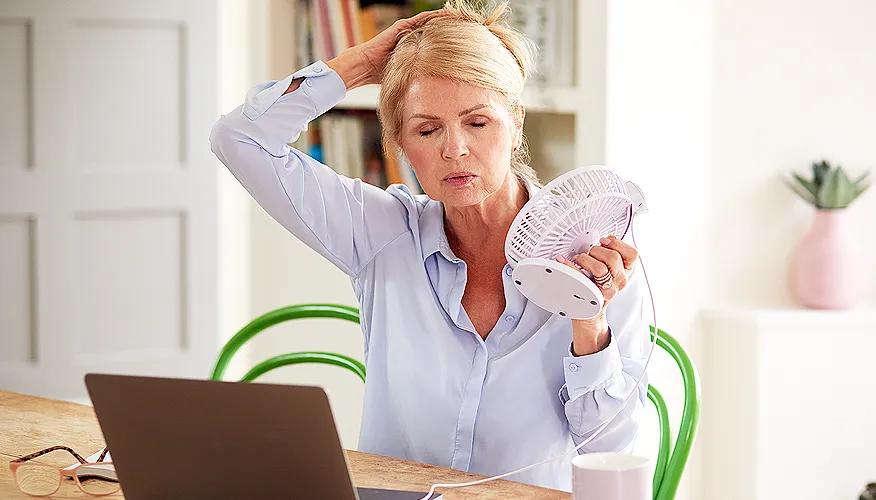
Hot flashes, common during menopause, are sudden feelings of heat that can spread through your upper body and face.
They are usually accompanied by a rapid heartbeat, sweating (especially in the upper body), a flushed appearance with red, blotchy skin, and a chilled feeling as the hot flash lets up. Certain triggers such as stress, caffeine, alcohol, spicy foods, tight clothing, heat, and cigarette smoke can initiate hot flashes.
Now, you might be wondering—what causes hot flashes during menopause? During this phase, women experience changes in their hormone levels, particularly a decline in estrogen. This hormonal imbalance affects the body’s thermostat (hypothalamus), leading to hot flashes.
Hot flashes can significantly impact daily life, causing discomfort and embarrassment. They can disrupt sleep (night sweats), cause mood changes, and affect concentration and memory. It's crucial to address these symptoms for overall well-being.
Lifestyle changes to reduce hot flashes

Managing hot flashes during menopause often requires a combination of dietary adjustments and lifestyle changes.
Here’s how you can make effective modifications to help alleviate these uncomfortable symptoms:
1. Diet and nutrition
Foods that can help alleviate hot flashes
- Phytoestrogens: Phytoestrogens are plant-derived compounds that mimic estrogen in the body. These compounds can help balance hormones and reduce hot flashes. Foods high in phytoestrogens include soy products like tofu and tempeh, flaxseeds, and chickpeas. Incorporating these into your diet can provide relief from hot flashes and help manage symptoms of menopause more effectively.
- Whole grains: Whole grains are rich in fiber and help maintain stable blood sugar levels, which can be beneficial in managing hot flashes. Foods like brown rice, quinoa, and oats should be included in your meals. They support overall health and may help alleviate hot flashes and associated symptoms like bloating.
- Fruits and vegetables: A variety of fruits and vegetables provide essential vitamins, minerals, and antioxidants that can help reduce the frequency and intensity of hot flashes. Incorporate a rainbow of produce into your diet, including leafy greens, berries, apples, and citrus fruits. These foods help support hormonal balance and overall wellness, contributing to the management of menopause symptoms.
2. Physical Activity
Regular physical activity is crucial for managing menopause symptoms, including hot flashes. Here’s how exercise can help:
- Exercise and hot flashes: Engaging in regular exercise helps regulate body temperature and balance hormones, which can mitigate the severity of hot flashes. Activities like walking, swimming, and yoga can help improve your overall health and reduce the frequency of hot flashes. Exercise also aids in reducing stress and anxiety, which are known triggers for hot flashes.
- Managing Stress: Stress is a significant factor that can exacerbate hot flashes. Incorporating stress-reducing exercises such as yoga and deep breathing can be highly effective. These practices help lower cortisol levels and improve relaxation, reducing the impact of hot flashes and other menopause symptoms.

Stress management techniques
Stress is a significant trigger for hot flashes during menopause. When you experience stress, your body releases stress hormones like cortisol, which can exacerbate menopausal symptoms, including hot flashes.
Stress-induced hot flashes may manifest as sudden feelings of intense heat, often accompanied by sweating and discomfort. By managing stress effectively, you can help reduce these episodes and improve your overall experience during menopause.
1. Mindfulness practices
Meditation
- Meditation is a powerful tool for managing stress and reducing hot flashes. It involves focusing your mind and achieving a state of relaxation and calm.
- Practicing mindfulness meditation can help regulate your body’s stress response and may alleviate symptoms of menopause.
- Aim for daily meditation sessions, starting with just a few minutes and gradually increasing as you become more comfortable.
Deep breathing exercises
- Deep breathing exercises help activate the body’s relaxation response and can be particularly effective in reducing stress and hot flashes.
- Practice deep breathing by inhaling deeply through your nose, holding your breath for a few seconds, and then exhaling slowly through your mouth.
- Incorporate deep breathing into your daily routine or use it during hot flashes to help calm your body and mind.
2. Relaxation techniques
Progressive muscle relaxation
- Progressive muscle relaxation involves tensing and then slowly relaxing different muscle groups in your body. This technique helps reduce physical tension and promotes relaxation.
- Start by focusing on one muscle group at a time, such as your hands or shoulders, and work your way through the body. This practice can help manage stress and may reduce the intensity of hot flashes.
Guided imagery
- Guided imagery is a relaxation technique where you use mental images to create a sense of calm and relaxation.
- Visualize yourself in a peaceful setting, such as a beach or a forest, and focus on the sensory details of the scene.
- This technique can help divert your mind from stressors and potentially reduce the frequency of hot flashes by promoting relaxation and mental well-being.
Adequate sleep
- Adequate sleep is essential for managing stress and hot flashes.
- Poor sleep can exacerbate menopausal symptoms, including hot flashes, and contribute to overall stress. Here are some tips to improve sleep hygiene and ensure restful nights:
- Maintain a consistent sleep schedule: Go to bed and wake up at the same time each day, even on weekends. A consistent sleep schedule helps regulate your body’s internal clock and improves the quality of your sleep.
- Create a relaxing bedtime routine: Establish a calming pre-sleep routine to signal to your body that it’s time to wind down. Activities like reading a book, taking a warm bath, or practicing relaxation techniques can help prepare your body and mind for restful sleep.
- Optimize your sleep environment: Make your sleep environment as comfortable as possible. Ensure your bedroom is cool, dark, and quiet. Invest in a comfortable mattress and pillows that support restful sleep. Consider using a fan or air conditioner to maintain a cool temperature and prevent overheating during the night.
- Limit stimulants and electronic devices: Avoid consuming caffeine or engaging in stimulating activities close to bedtime. Additionally, reduce exposure to screens and electronic devices, as the blue light emitted by these devices can interfere with your body’s natural sleep cycle.
Natural and alternative remedies
3. Aromatherapy
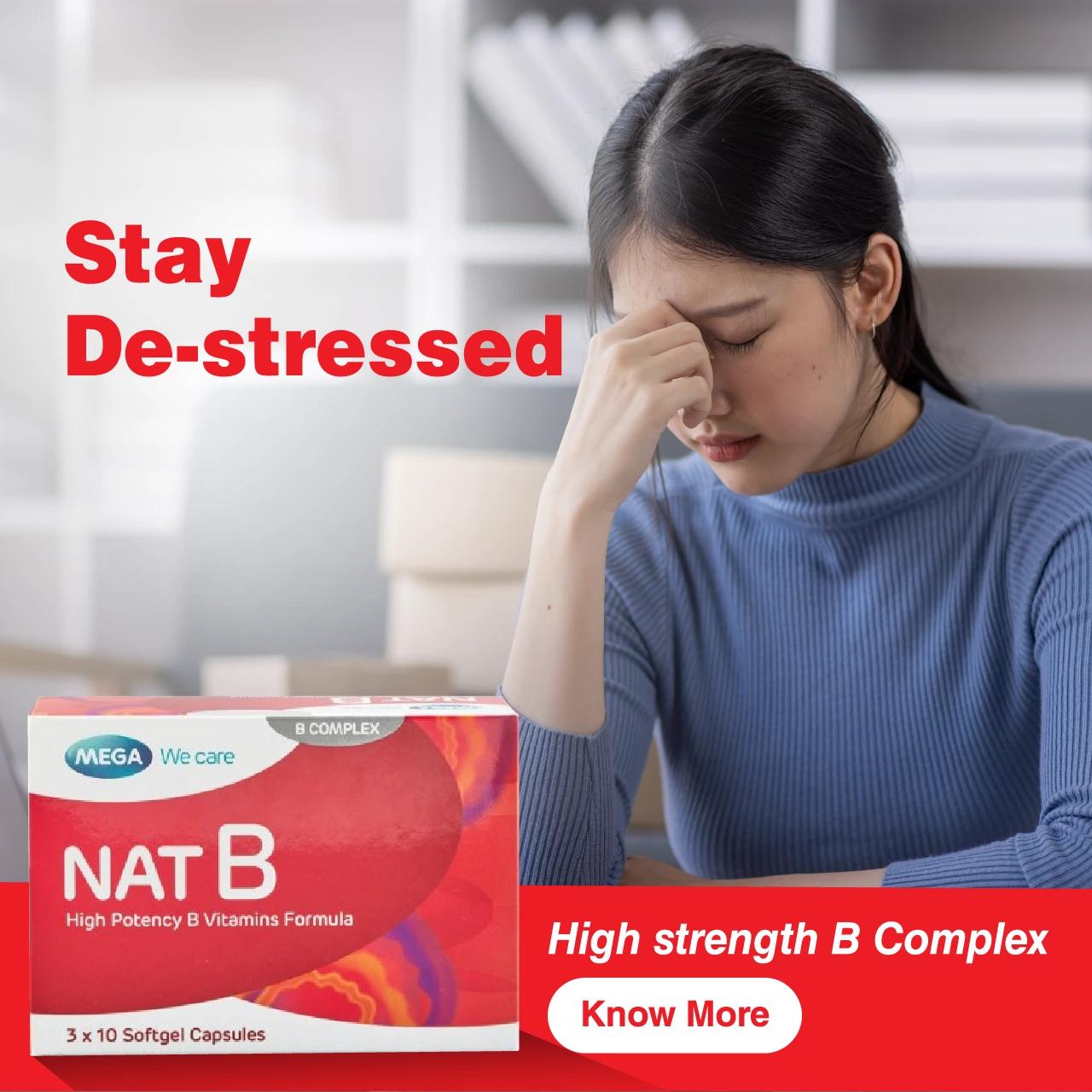
Aromatherapy for hot flashes uses essential oils to improve physical and emotional well-being. Certain essential oils may help reduce the intensity of hot flashes and promote a sense of calm.
- Peppermint oil: Known for its cooling effect, peppermint oil can help soothe the body and potentially reduce the sensation of hot flashes. It may be particularly useful for those experiencing hot flashes and rash or hot flashes vomiting.
- Lavender oil: Lavender is famous for its calming properties and may help manage stress hot flashes. It can also aid in relaxation and improve sleep, addressing symptoms like menopause and poor sleep.
- Clary sage oil: This oil is often used to balance hormones and manage symptoms of menopause, including hot flashes. It may be effective in reducing hot flashes due to stress and anxiety cause hot flashes.
Methods of using essential oils for hot flashes
- Diffusers: Add a few drops of essential oil to a diffuser to disperse the aroma throughout the room. This method can help create a calming environment and alleviate hot flashes during the night.
- Topical application: Dilute essential oils with a carrier oil, such as coconut oil, and apply them to pulse points or areas where you experience hot flashes. This method can offer localized relief.
- Baths: Adding a few drops of essential oil to a warm bath can help soothe your body and reduce the intensity of hot flashes.
Practical tips for managing hot flashes
Apart from lifestyle changes and alternative home remedies for hot flashes, here are some practical tips:
- Dress in layers: Dressing in layers allows you to remove clothing when a hot flash starts. This can help you manage your body temperature effectively.
- Use fans and cool packs: Having a fan or cool pack handy can provide immediate relief during a hot flash episode.
- Keep your environment cool: Keep your home and workspace at a comfortable temperature to avoid triggering hot flashes.
- Track hot flashes: Keeping a record of your hot flash episodes can help identify triggers that you could avoid.
Conclusion
Experiencing hot flashes is often an unwelcome part of menopause or PMS, but you're not without options when it comes to managing them naturally. From dietary changes to physical activity, stress management techniques, and natural remedies, there are numerous ways how to stop hot flashes without HRT. Practical strategies such as dressing in layers, using cool packs, and monitoring your triggers also add up in the battle against hot flashes.
Remember that while hot flashes can be uncomfortable and sometimes even alarming, they're a natural part of hormonal changes in the body. Reach out to your healthcare provider if your symptoms become severe or disrupt your daily life. As always, keep exploring and learning about your body’s responses, and remember that you’re not alone in this journey!
Meet our expert

Meet our expert
Dr. Pulyk Nataliya Omelanivna is an Internal Medical Expert who is based out of Ukraine. With a special interest in internal medicine Dr Pulyk graduated from the Ternopil National Medical Academy in Ukraine, in the year 2001. Between the years 2002-2009, Dr Pulyk worked as an emergency physician. Her years of work as an emergency physician gave her immense exposure to a range of patients and an opportunity to learn on the job, and gather extensive experience.

How was the experience with article?
We'd love to know!