
Do you often find yourself wondering, ‘Where did my desire go?’ If you’re a woman in your middle-age range, particularly going through the transition period, there’s a good chance you’re not alone in this boat. It’s not unusual for women to experience changes in their libido or sexual desire, particularly as they approach and go through menopause.
You may be wondering, ‘What is libido exactly?’ Simply put, it refers to your sexual drive or the desire for sexual activity. So, does menopause affect libido? Is it normal for female sexual desire to ebb and flow during this phase of life? And if so, what can be done about it?
Don’t worry! You’re about to embark on a journey to understanding the relationship between menopause and libido. We’ll discuss the causes of low libido in women and possible solutions, such as how to increase libido after menopause.
So, sit back, relax, and prepare for a conversation that's about to get real, personal, and very much needed!
Understanding libido

Libido, often referred to as sexual drive or desire, is a complex interplay of physical, psychological, and social factors. Hormones play a crucial role in regulating libido. In women, estrogen, progesterone, and testosterone are particularly important.
Estrogen helps maintain the health of vaginal tissues and overall sexual health, while testosterone directly influences sexual desire. Psychological factors like stress, anxiety, and depression can also affect libido, as can physical health conditions such as chronic illness, fatigue, and pain.
Libido naturally fluctuates throughout a person’s life. During puberty, libido often increases due to the surge in sex hormones. In adulthood, libido can vary based on individual circumstances, including relationship status, stress levels, and overall health.
As women approach the middle age range and enter perimenopause and menopause, hormonal changes can lead to significant shifts in libido. Understanding these natural variations helps to normalize the experience and reduce unnecessary worry about changes in sexual desire.
Hormonal changes during menopause
Menopause marks the end of a woman’s reproductive years and is characterized by a significant decline in estrogen and progesterone levels.
This transition period, known as perimenopause, can last several years and often brings about various physical and emotional changes.
The decrease in estrogen can lead to symptoms like hot flashes, night sweats, and vaginal dryness after menopause, while reduced progesterone can contribute to mood swings and sleep disturbances.
1. How these hormonal changes can affect libido
The hormonal changes during menopause can have a direct impact on libido. Lower estrogen levels can lead to vaginal dryness and discomfort during sex, making sexual activity less enjoyable or even painful.
Additionally, the decline in estrogen can affect blood flow to the genital area, reducing arousal and sensitivity. The role of testosterone in female libido becomes more evident during menopause as its levels also decline, potentially reducing sexual desire.
2. The role of testosterone in female libido
Testosterone, though present in lower levels in women than men, plays a significant role in female libido. It contributes to sexual desire, arousal, and overall energy levels. During menopause, the decline in testosterone can further diminish libido.
Some women may explore testosterone therapy as a potential treatment to boost libido after menopause. However, it’s essential to discuss this with a healthcare provider to understand the risks and benefits.
Physical factors affecting libido during menopause
1. Vaginal dryness and discomfort during sex
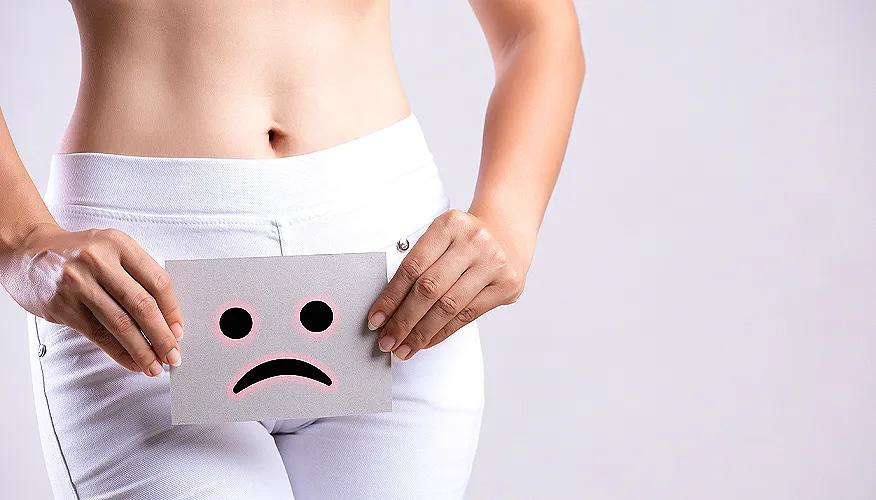
- Vaginal dryness after menopause is a common issue due to the decline in estrogen. This can lead to discomfort or pain during sex, making it less appealing.
- Using a natural lubricant for women can help alleviate some of the discomfort associated with vaginal dryness.
- Additionally, natural remedies for vaginal dryness, such as staying hydrated and consuming foods rich in phytoestrogens, can be beneficial.
2. Changes in body image and self-esteem
- Menopause can bring about physical changes such as weight gain, changes in skin elasticity, and thinning hair, which can affect body image and self-esteem.
- These changes can impact how a woman feels about herself and her desirability, subsequently influencing her libido.
- Embracing these changes and focusing on overall health and wellness can help improve self-esteem and sexual desire.
3. Fatigue and sleep disturbances
- Fatigue and sleep disturbances are common during menopause, often due to night sweats and hormonal fluctuations.
- Chronic fatigue can reduce the energy and desire for sexual activity.
- Establishing a consistent sleep routine, practicing good sleep hygiene, and managing stress can help mitigate these issues.
- Perimenopause supplements designed to support hormonal balance and energy levels may also be helpful.

Psychological and emotional factors
1. Stress, anxiety, and depression during menopause
- Menopause can be a stressful time for many women, with significant physical, emotional, and life changes occurring simultaneously.
- Stress, anxiety, and depression are common during this period and can negatively affect libido.
- Addressing these mental health concerns through therapy, mindfulness practices, and relaxation techniques can help improve libido.
2. Impact of mood swings and emotional changes on libido
- Hormonal changes during menopause can lead to mood swings and emotional changes, impacting sexual desire.
- Feeling irritable, anxious, or depressed can reduce interest in sexual activity.
- Developing coping strategies for managing these emotional changes, such as exercise, healthy eating, and connecting with supportive friends and family, can help maintain a healthier libido.
3. Relationship dynamics and their influence on female sexual desire
- The dynamics of a relationship can significantly influence a woman’s libido. Open communication with a partner about sexual needs and concerns is crucial.
- When partners understand each other’s experiences and challenges, they can work together to maintain intimacy and a satisfying sexual relationship.
- Relationship counseling or sex therapy can also be beneficial in addressing any underlying issues that may be affecting libido.
Practical strategies to improve libido
1. Lifestyle changes
- Incorporating healthy lifestyle changes can significantly improve libido during menopause.
- Regular physical activity can boost energy levels, improve mood, and enhance body image.
- Eating a balanced diet rich in plant-based foods can support overall health and hormone balance.
- Foods that increase libido include those high in phytoestrogens, such as flaxseeds, soy, and legumes.
- Additionally, staying hydrated and getting adequate sleep is crucial for maintaining sexual health.
2. Communication and relationship tips
- Effective communication with a partner is essential for addressing changes in libido.
- Discussing desires, concerns, and preferences can foster a stronger emotional connection and enhance sexual intimacy.
- Scheduling regular ‘date nights’ or engaging in non-sexual physical affection can also help maintain closeness and improve libido.

3. Medical and natural remedies
- Various medical and natural remedies are available to help boost libido during menopause.
- Herbal remedies for low libido in females, such as ginseng, maca root, and Tribulus terrestris, can be effective.
- Essential oils for women’s libido, like clary sage and ylang-ylang, may also provide benefits when used in aromatherapy or massage.
- For those seeking a libido booster for women, exploring the best supplements for women’s libido, such as those containing l-arginine, can be worthwhile.
- Acupuncture for low libido is another natural option that has shown promising results for some women.
4. Exploring intimacy beyond intercourse
- Sexual intimacy is not solely defined by intercourse. Exploring other forms of intimacy, such as sensual massages, kissing, and cuddling, can strengthen the emotional connection with a partner and enhance overall sexual satisfaction.
- Understanding that libido and what women desire can be expressed in various ways can help alleviate pressure and promote a more fulfilling sexual relationship.
Conclusion
Menopause does affect libido in many women due to hormonal changes and other physical factors such as vaginal dryness.
Psychological factors can also play an important role. However, remember that each woman’s experience with menopause is unique, and not everyone will experience a decline in sexual desire.
Fortunately, there are many practical strategies and treatments available today that can help manage these changes and rejuvenate your libido. It's important to maintain open communication with your partner and healthcare provider and not to lose hope if you're experiencing these changes.
With the right combination of lifestyle changes, natural remedies, and medical treatments, it’s absolutely possible to revitalize your sex life during and after menopause.
Meet our expert

Meet our expert
Dr Bright is a member of the Fellowship of Christian Optometrist international and a Clinical Research supervisor.


How was the experience with article?
We'd love to know!