Don’t you just hate it when a hot flash strikes out of nowhere? One minute, you’re feeling perfectly fine, and the next, you’re in your own personal heatwave. It’s like Mother Nature’s own quirky way of reminding us we’re entering a new phase of life: menopause.
Just like puberty, pregnancy, and childbirth, menopause is one of those inevitable milestones in a woman's life. But unlike those other stages, menopause often brings along a host of vexing symptoms—from hot flashes and night sweats to mood swings and sleep disorders. And let's not even start on those sudden memory lapses!
So, is there a way to navigate this hormonal roller coaster without losing our cool (quite literally!)? Can we find natural ways to treat menopause symptoms rather than resorting to medications with potential side effects?
In this blog, we will discuss exactly that! Let's empower ourselves with knowledge of natural remedies for menopause symptoms and make this journey towards a new phase an enlightening and positive one!
Navigating common menopause symptoms
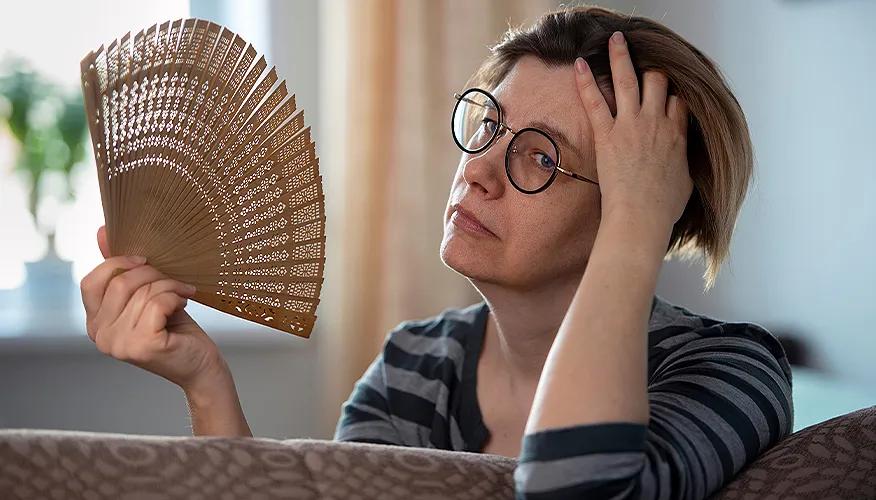
As you approach menopause, your body undergoes several changes due to fluctuating hormone levels. These changes manifest as symptoms that vary from woman to woman. Some of the common symptoms include:
- Hot flashes: Sudden feelings of heat all over or in some parts of the body.
- Night sweats: Similar to hot flashes, they occur during sleep and can disrupt your rest.
- Disturbed sleep: Difficulty falling asleep or staying asleep.
- Mood changes:Feelings of depression, irritability, and anxiety can increase.
- Vaginal dryness: Decreased moisture leading to discomfort during sexual intercourse.
Natural solutions for menopause relief
3. Flaxseed
- Flaxseed is another excellent source of phytoestrogens, specifically lignans, which may help manage menopausal symptoms.
- Consuming ground flaxseed can help to reduce hot flashes and night sweats.
- Flaxseed is also high in omega-3 fatty acids, which can support overall health, including cardiovascular health.
- It can be easily added to smoothies, oatmeal, or baked goods.
- For best results, use ground flaxseed rather than whole seeds, as the ground form is easier for the body to digest and absorb.
4. Red clover
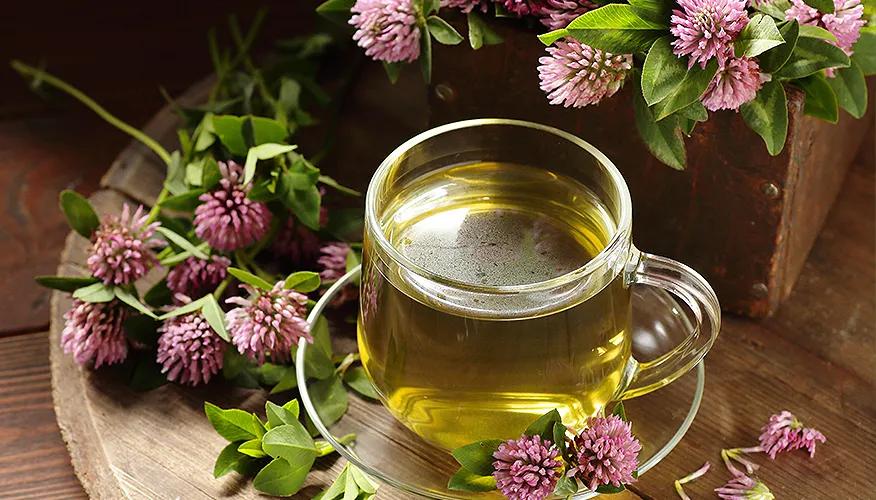
- Red clover contains isoflavones, which are compounds similar to estrogen.
- These can help reduce the frequency and severity of hot flashes and improve bone health, which is a concern for many women during menopause due to decreased estrogen levels.
- Red clover is typically consumed as a tea or in supplement form. Some studies suggest that red clover may also have benefits for heart health and skin quality.
5. Dong quai
- Dong quai, also known as “female ginseng,” is a traditional Chinese herb used to support women’s health.
- It is believed to help balance hormones and reduce hot flashes. Dong quai may also improve blood circulation and support the health of the reproductive system.
- It is typically taken as a supplement or brewed as tea.
- Some women find that dong quai helps to alleviate mood swings and menstrual irregularities that can occur during the menopausal transition.
6. Evening primrose oil
- Evening primrose oil is derived from the seeds of the evening primrose plant.
- It is high in gamma-linolenic acid (GLA), an omega-6 fatty acid that may help alleviate menopausal symptoms such as hot flashes, breast tenderness, and mood swings.
- The anti-inflammatory properties of GLA can also support skin health.
- Evening primrose oil is usually taken as a supplement.
*Women considering this remedy should discuss it with their healthcare provider, especially if they are taking other medications.
7. Ginseng
- Ginseng is an adaptogenic herb known for its ability to help the body manage stress.
- It can also support energy levels and improve mood. Some studies suggest that ginseng may help reduce hot flashes and improve sleep quality in menopausal women.
- It is typically taken as a supplement or brewed as tea for natural menopause relief.
- Ginseng may also have benefits for cognitive function and overall vitality.
- However, it can interact with certain medications, so it’s important to consult with a healthcare provider before use.
8. Valerian root
- Valerian root is commonly used to promote relaxation and improve sleep quality, which can be disrupted by menopause.
- It is often taken as a supplement or brewed as tea.
- Valerian root may help alleviate insomnia and reduce anxiety, which are common issues during menopause. Its calming effects can support better overall well-being.
- As with other herbal remedies, it’s important to discuss valerian root use with a healthcare provider, especially if you are taking other medications or have underlying health conditions.
9. Sage
- Sage is a herb that has been traditionally used to treat excessive sweating and hot flashes.
- It contains compounds that may help regulate the body’s temperature and hormonal balance.
- Sage can be consumed as tea or taken in supplement form.
- Some studies have shown that sage can significantly reduce the frequency and severity of hot flashes. It may also have benefits for cognitive function and digestion.
10. Licorice root
- Licorice root contains phytoestrogens and has been used to alleviate menopausal symptoms like hot flashes and mood swings.
- It may help to balance hormone levels and support adrenal function, which can be stressed during menopause.
- Licorice root is typically consumed as tea or in supplement form. It also has anti-inflammatory and immune-boosting properties.
- However, licorice root can raise blood pressure and interact with certain medications, so it’s important to use it under the guidance of a healthcare provider.
11. Chasteberry
- Chasteberry, also known as Vitex, is a herb that may help balance hormones and reduce symptoms of menopause such as hot flashes, mood swings, and irregular periods.
- It is believed to work by influencing the pituitary gland to balance hormone production.
- Chasteberry is typically taken as a supplement. Some studies suggest that it can also help alleviate breast tenderness and support reproductive health.
12. Hops
- Hops, commonly known for their use in brewing beer, contain phytoestrogens that may help reduce hot flashes and improve sleep quality for natural menopause relief.
- Hops can be consumed as a tea or taken in supplement form. They have a sedative effect, which can help with insomnia and anxiety, common issues during menopause. Hops may also support overall hormonal balance.
Lifestyle changes to ease menopause

Small tweaks in your lifestyle can go a long way in easing menopause symptoms. Here’s how:
1. Exercise regularly
Regular physical activity is crucial for managing menopause symptoms and promoting overall well-being. Exercise can:
- Improve mood: Physical activity releases endorphins, the body's natural mood elevators, which can help combat feelings of anxiety or depression often associated with menopause.
- Reduce hot flashes: Studies have shown that women who exercise regularly experience fewer and less severe hot flashes. Aim for at least 30 minutes of moderate-intensity exercise most days of the week.
- Promote better sleep: Regular exercise can help regulate sleep patterns and improve sleep quality, which may be disrupted during menopause.
Consider incorporating activities you enjoy, such as walking, swimming, dancing, or yoga, into your routine to make exercise more enjoyable and sustainable.
2. Practice mindfulness
Mindfulness techniques, such as yoga and meditation, can be powerful tools for managing stress and mood swings during menopause. These practices can:
- Reduce stress: Mindfulness meditation has been shown to lower levels of cortisol, the stress hormone, helping to alleviate feelings of tension and anxiety.
- Manage mood swings: By promoting self-awareness and emotional regulation, mindfulness techniques can help you navigate the emotional ups and downs often experienced during menopause.
- Improve overall well-being:Regular practice of yoga or meditation can enhance feelings of calmness, contentment, and inner peace, contributing to a better quality of life during this transitional period.
Even a few minutes of mindfulness practice each day can yield significant benefits. Consider attending classes or using guided meditation apps to get started.
3. Limit alcohol and caffeine
While it can be tempting to reach for a glass of wine or a cup of coffee to unwind, alcohol and caffeine can exacerbate menopause symptoms. These substances can:
- Trigger hot flashes: Both alcohol and caffeine can dilate blood vessels and increase body temperature, potentially leading to more frequent and intense hot flashes.
- Disrupt sleep: Alcohol may help you fall asleep initially, but it can disrupt the quality of your sleep later in the night. Caffeine, on the other hand, can interfere with sleep onset and reduce overall sleep duration.
Instead of alcohol and caffeine, opt for hydrating beverages like water, herbal teas, or decaffeinated versions of your favorite drinks.
Making these lifestyle changes could make a significant difference in how you feel during menopause. However, it's essential to remember that every woman’s experience with menopause is unique. What works for one person might not work for another.
Listen to your body, and consult with your healthcare provider to develop a personalized approach to managing your symptoms.
Conclusion
While menopause is a natural part of life that every woman will experience, navigating through it can be challenging. The hormonal changes that come with it can cause discomforting symptoms.
However, remember that it's not an illness, but a transition into a new phase.You can manage these symptoms naturally through some lifestyle changes and natural remedies.
Remember to consult with your healthcare provider before starting any new menopause treatment regimen, including natural remedies for menopause symptoms, especially if you're considering using supplements or herbs.
With time and patience, you'll be able to find the solutions that work best for you. It’s also vital to surround yourself with support from friends, family or a support group who understand your journey. Here's to embracing this new chapter in your life!
Meet our expert

Meet our expert
Dr. Dovbakh Olga Dmitrivna is a Clinical Psychologist based out of Ukraine. She graduated from the Bukovinian State Medical University, Ukraine back in 2009. Driven by a thirst of knowledge and with a keen interest in matters of the mind, Dr. Dovbakh Olga Dmitrivna went back to University in 2021 to specialise in psychiatry.

How was the experience with article?
We'd love to know!