Falling estrogen levels during menopause can make vaginal tissue thinner, drier and more sensitive, but moisturisers, lubricants and appropriate treatment may help relieve discomfort.
Vaginal dryness during menopause is usually linked to falling estrogen levels, which can reduce moisture and elasticity in vaginal tissue. Regular vaginal moisturisers, lubricants during sex, gentle intimate care and medical treatment may help relieve dryness, itching and discomfort.
Did your last intimate moment feel more like a misadventure? Are you experiencing discomfort or pain during sex that you never felt before? Or maybe you have started feeling a persistent itchiness that doesn't seem to go away? If yes, then you might be dealing with an often-overlooked aspect of menopause—vaginal dryness.
While menopause marks the end of one chapter in a woman’s life, it also opens a new one that comes with its unique challenges. As our bodies transition, hormonal changes can lead to different symptoms, but one that is not frequently talked about is vaginal dryness. It's something many women face, yet it remains shrouded in silence.
But worry not! Just like there are natural remedies for other health issues, there are effective ways to handle vaginal dryness too.
In this blog, we are going to talk about various natural remedies for vaginal dryness that could help alleviate this uncomfortable condition and reclaim your comfort and confidence.
So, sit back, relax, and let’s navigate the path toward vaginal health together!
Why Does Menopause Cause Vaginal Dryness?
Menopause causes estrogen levels to decline. This can make vaginal tissue thinner, less elastic and less able to retain moisture, leading to dryness, itching, burning or pain during sex.
What is vaginal dryness, you might ask? Well, vaginal dryness refers to a condition characterized by a lack of moisture inside the vagina. It can lead to discomfort, itching, and pain, especially during sexual intercourse. This condition can impact a woman’s daily life significantly, causing vaginal pain after sex and even making a tight vagina feel uncomfortable.
During menopause, hormonal changes occur that can contribute greatly to this condition. The levels of estrogen, a hormone responsible for maintaining the wetness and elasticity of the vagina, drop drastically. This leads to the thinning and drying out of the vaginal walls, a condition known as vaginal atrophy. This situation often results in symptoms like no discharge just itchy feeling, or dry sex due to insufficient lubrication.
It’s important to address this issue as it can affect overall health and well-being, and it is a vital part of vaginal health maintenance.
What Are the Symptoms of Vaginal Dryness During Menopause?
Vaginal dryness during menopause may cause itching, burning, irritation, soreness, or a feeling of tightness in the vaginal area. Some women may also experience pain during sex, light bleeding after intercourse, or urinary symptoms such as burning while urinating and frequent urinary tract infections. The symptoms can range from mild to severe and may affect daily comfort and intimacy.
Vaginal Itching and Burning
Vaginal dryness can cause itching, burning or irritation in and around the vaginal area. These symptoms may become more noticeable after exercise, during hot weather or after using perfumed soaps and intimate products.
Pain or Discomfort During Sex
Reduced natural lubrication can make sexual activity uncomfortable or painful. Some women may also feel tightness, soreness or tenderness during and after intercourse.
Light Bleeding After Sex
Dry and sensitive vaginal tissues can become irritated during intercourse, which may sometimes lead to light spotting or bleeding. Any bleeding after menopause should be discussed with a healthcare professional.
Urinary Discomfort
Vaginal dryness may occur alongside urinary symptoms such as burning while urinating, frequent urination or repeated urinary tract infections. This happens because lower estrogen levels can also affect the tissues around the bladder and urethra.
Ongoing Soreness or Tightness
Some women may experience a constant feeling of dryness, soreness or tightness even when they are not sexually active. This can affect walking, sitting, exercise and everyday comfort.
What Helps Vaginal Dryness During Menopause?
Vaginal moisturisers, lubricants, gentle hygiene and avoidance of irritating products are common first steps. Persistent symptoms may require prescription treatment from a healthcare professional.
Fortunately, there are several natural remedies for vaginal dryness that can help provide relief and improve vaginal health.
Here are some effective strategies to address vaginal dryness using plant-based solutions:
1. Can Diet Help with Vaginal Dryness?
A balanced diet supports overall health, but no single food has been proven to treat vaginal dryness. Foods containing healthy fats, protein and plant nutrients may support general well-being during menopause.
Foods rich in phytoestrogens
- Phytoestrogens are plant-derived compounds that mimic estrogen in the body, helping to alleviate vaginal dryness.
- Foods like soy, flaxseeds, and tofu are packed with these beneficial compounds. Incorporating these foods into your diet can support hormone balance and maintain a tight vagina.
- Soy products such as tempeh, edamame, and soy milk are particularly rich in phytoestrogens, while flaxseeds and tofu also offer significant benefits.
Hydration
- Proper hydration is crucial for maintaining overall body hydration, including inside the vagina.
- Drinking plenty of water each day helps to keep tissues moist and supports overall health.
- Aim to drink at least eight glasses of water daily to help prevent and alleviate symptoms of vaginal dryness after menopause.
Essential fatty acids
- Omega-3 fatty acids are essential fats that play a crucial role in maintaining cell health, including vaginal cells.
- Foods such as walnuts, chia seeds, and flaxseeds are excellent sources of omega-3s. These fatty acids contribute to the lubrication and elasticity of vaginal tissues, potentially reducing symptoms of dryness and helping avoid dry sex.
- Incorporate these foods into your diet to support vaginal health and overall well-being.
2. Do Vaginal Moisturisers and Lubricants Help?
Vaginal moisturisers are designed for regular use to improve ongoing dryness, while lubricants reduce friction during sexual activity. Choose products specifically made for vaginal use.
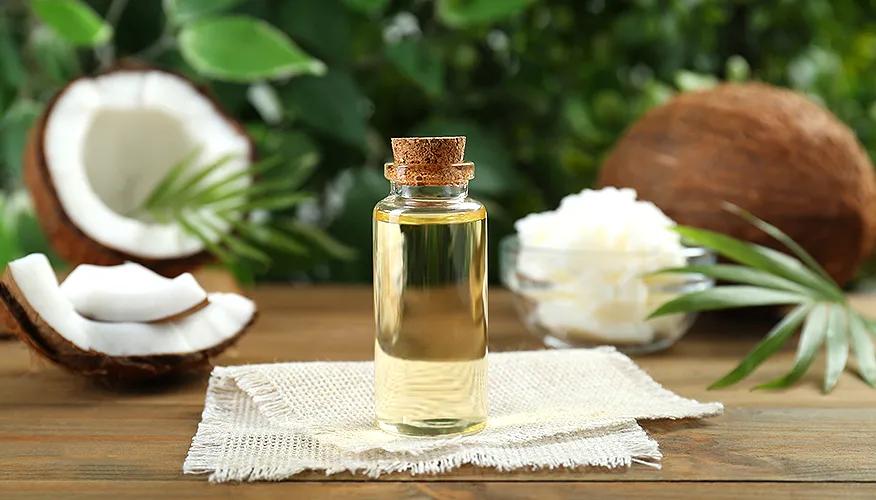
Natural oils
- Coconut oil and olive oil are fantastic natural moisturizers and can be used as a lubricant for women experiencing vaginal dryness.
- These oils can help soothe the vaginal area and provide temporary relief from discomfort.
- Before applying any natural oil, it is important to patch test to ensure you do not have a sensitivity or allergic reaction.
Aloe vera
- Aloe vera gel is known for its soothing properties and can provide relief from itching in private parts.
- Applying pure aloe vera gel topically can help alleviate dryness and discomfort. It is also gentle and less likely to cause irritation.
For best results, use organic aloe vera gel and ensure it is free from added chemicals or fragrances.
Option Main purpose How it is generally used Vaginal moisturiser Helps manage ongoing dryness Used regularly as directed Water-based lubricant Reduces friction during sex Used before sexual activity Silicone-based lubricant Provides longer-lasting lubrication Used before sexual activity Vaginal estrogen Treats menopausal tissue changes Prescription treatment Household oils May irritate or affect condoms Not the preferred first option
3. Are Herbal Remedies Safe for Vaginal Dryness?
Evidence for herbal remedies is limited, and products such as black cohosh, red clover and ginseng may interact with medicines or be unsuitable for some health conditions. Consult a healthcare professional before using them.
- Black cohosh, red clover, and ginseng
- These herbs are known for their potential benefits in easing menopausal symptoms, including vaginal dryness.
- Black cohosh may help balance hormones and reduce vaginal dryness after menopause.
- Red clover and ginseng also offer supportive effects for hormone regulation and overall vaginal health.
- However, before starting any herbal remedy, it’s essential to consult with a healthcare provider, as these can interact with other medications or conditions.
What Lifestyle Changes May Reduce Vaginal Discomfort?

Along with dietary changes and natural remedies, certain lifestyle modifications can be highly effective in managing vaginal dryness.
Here are some practical tips to enhance vaginal health and reduce discomfort:
1. Regular exercise
- Engaging in regular physical activity is beneficial for overall health and can play a significant role in managing vaginal dryness.
- Exercise improves blood circulation throughout the body, including the vaginal area. Better blood flow helps maintain vaginal health and can alleviate some symptoms of vaginal dryness after menopause.
- Additionally, regular exercise can enhance overall well-being and reduce stress levels, which can indirectly help manage vaginal dryness. Incorporate activities such as brisk walking, swimming, or yoga into your routine.
- These exercises promote cardiovascular health and can contribute to improved circulation, which benefits the vaginal tissues.
- Yoga, in particular, can also aid in pelvic floor strengthening, which is beneficial for maintaining a healthy vaginal environment.
2. Stress management
- Stress can have a substantial impact on various aspects of health, including vaginal dryness.
- High-stress levels can exacerbate symptoms such as itching and discomfort. Therefore, managing stress is a crucial aspect of dealing with vaginal dryness.
- Techniques such as yoga, meditation, and deep breathing exercises can be effective in lowering stress levels.
- These practices help calm the mind and body, which can alleviate some of the symptoms associated with vaginal dryness.
- Regular mindfulness practices can also help balance hormones, potentially reducing the severity of symptoms like vaginal itching and dryness.
3. Wear breathable underwear
- Choosing the right underwear can significantly impact vaginal health.
- Opt for breathable cotton underwear to promote air circulation and avoid irritation. Synthetic fabrics can trap moisture and heat, which may worsen symptoms of vaginal dryness or cause additional discomfort.
- Avoid using perfumed products or harsh soaps in the vaginal area, as these can irritate sensitive skin. Instead, use mild, fragrance-free products that are designed for sensitive skin.
- Maintaining good hygiene without over-irritating the area can help manage vaginal dryness and prevent additional issues such as vaginal itching or irritation.
4. Additional tips for managing vaginal dryness
- Hydration: Drinking plenty of water throughout the day helps keep your body hydrated, which can have a positive impact on vaginal moisture levels. Adequate hydration supports overall vaginal health and can help alleviate symptoms of dryness.
- Lubricant for women: For immediate relief from symptoms of vaginal dryness, consider using a vaginal moisturizer or lubricant designed specifically for women. These products can provide temporary comfort and improve sexual experiences by reducing friction during intercourse.
- Avoiding irritants: Be mindful of products that may irritate the vaginal area, such as scented tampons or douches. Stick to gentle, unscented products to minimize irritation and discomfort. If using a vaginal itching cream, make sure to consult with a healthcare professional to ensure that the ingredients are safe for you.
When Should You See a Doctor for Vaginal Dryness?
Consult a healthcare professional if dryness is persistent, painful, associated with bleeding, unusual discharge, sores, urinary symptoms or recurrent infections, or if over-the-counter moisturisers and lubricants do not help.
Conclusion
Vaginal dryness during menopause may seem daunting, but it's essential to remember that you're not alone, and there are plenty of natural remedies at your disposal. From dietary changes and herbal remedies to lifestyle adjustments and the use of natural moisturizers, you have multiple avenues to explore for relief from this condition.
To recap, incorporating foods rich in phytoestrogens (flaxseeds, soy), drinking plenty of water for hydration, using natural oils like coconut oil as a vaginal moisturizer or lubricant for women, regular exercise, and stress management techniques can all contribute to managing symptoms of vaginal dryness.
Remember, managing vaginal dryness promotes not only your sexual health but also contributes significantly to your overall well-being and quality of life. So embrace these natural remedies for vaginal dryness with positivity and let your health be a priority at every stage of life.
Meet our expert
.webp&w=1920&q=75)
Meet our expert
Dr. Kulyk Alexander Petrovich is a Ukraine-based gynecologist, with extensive experience in women's health. In 1995, he graduated from the Kyiv Medical University, and specialized in gynecology. He then went on to work as a gynecologist in the Institute of Pediatric, Obstetrics and Gynecology in Kyiv, where he worked until the year 2000.

How was the experience with article?
We'd love to know!