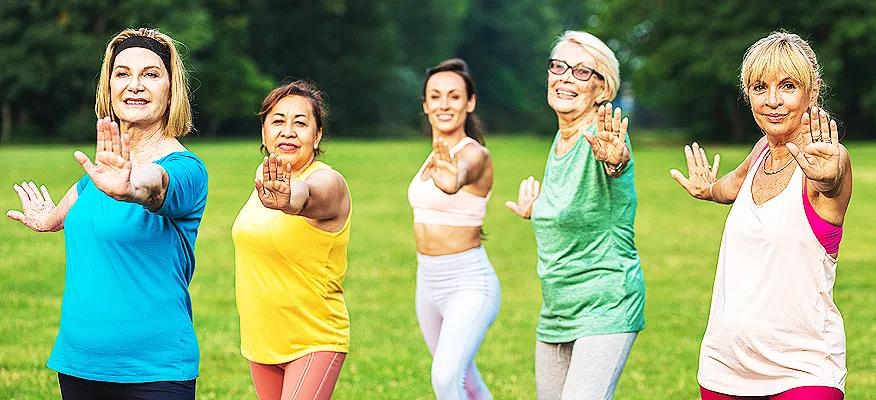
Ahh, menopause, that wonderful phase of life women anticipate with mixed emotions! While it marks the end of those pesky monthly periods, it also brings along a roller-coaster ride of hormonal changes and potential symptoms that can be, well...less than pleasant. Yes, hot flashes, night sweats, mood swings, and sleep issues — we’re looking at you!
But did you know that yoga, an ancient Indian practice known for promoting physical and mental well-being, can be a major ally in managing these symptoms? It’s true! Yoga offers numerous poses that balance hormones and promote relaxation, which can significantly ease menopausal discomfort.
If you’re intrigued by the idea of using yoga for menopause but don’t know where to start, don't worry. We've got your back (and your hormones)! This piece is all about exploring the top 10 yoga poses that can help manage your menopause symptoms. So, grab a cup of tea, get comfy, and let’s dive into the world of yoga for menopause together!
What is menopause?

Menopause is a natural biological process marking the end of menstrual cycles. It’s officially diagnosed after you've gone 12 months without a period. This phase typically occurs in a woman's late 40s to early 50s. Menopause can bring about physical changes, but it's not just about your body adjusting to the new hormonal and metabolic shifts. It's also about how your mind and spirit adapt to these changes.
The main symptom of menopause is irregular periods. However, various other signs may indicate this phase is upon or around the corner. These include hot flashes, sleep disturbances, mood swings, weight gain or slowed metabolism, thinning hair, dry skin, and loss of breast fullness.
Understanding these changes and how they might affect you can help you navigate this phase with grace and ease.
The power of yoga during this phase
Yoga, an ancient practice originating from India, is more than just physical postures. It's a
holistic approach that promotes balance and harmony between the mind, body, and spirit.
Yoga for menopause isn’t a cure but rather a natural way to help manage your symptoms. It
offers gentle exercises designed to stretch, strengthen, and relax the body while calming the
mind through breathing practices and meditation.
Its benefits include:
- Reduces hot flashes and night sweats: Yoga helps regulate the body's stress response and improve overall hormonal balance. Hence, yoga for menopause hot flashes and night sweats can reduce the frequency and intensity of these common symptoms.
- Improves mood and reduces anxiety: Regular practice of yoga for menopause can
help manage mood swings, anxiety, and depression by promoting relaxation and reducing levels of the stress hormone cortisol. - Enhances sleep quality: Yoga, particularly restorative and gentle practices, can help improve sleep quality by calming the mind and body, making it easier to fall asleep and stay asleep.
- Supports weight management: Yoga encourages mindful eating and regular
physical activity, which can help manage weight gain commonly associated with menopause. - Boosts bone health: Weight-bearing yoga poses can help maintain bone density
and reduce the risk of osteoporosis, which is particularly important during and after menopause. - Increases flexibility and strength: Yoga improves flexibility, muscle strength, and
joint health, making it easier to stay active and prevent injuries as you age. - Enhances mind-body connection: Practicing yoga for menopause increases
awareness of your body and mind, helping you to understand better and respond to the changes happening during menopause.

Here are some ways yoga helps as you get older:
- Promotes cardiovascular health: Gentle yoga practices can improve circulation, lower blood pressure, and enhance heart health, which are crucial as you age.
- Maintains muscle mass: Yoga helps maintain and even build muscle mass, which can decline with age, supporting overall strength and stability.
- Improves balance and coordination: Yoga improves balance and coordination, reducing the risk of falls and injuries, which become more common as you get older.
- Fosters social connections: Joining a yoga class can provide social interaction and support, which are important for mental and emotional well-being during the menopausal transition.
- Encourages mindfulness and meditation: Incorporating mindfulness and meditation into your yoga practice can enhance emotional resilience, reduce stress, and improve overall quality of life.
Top 10 yoga poses for menopause
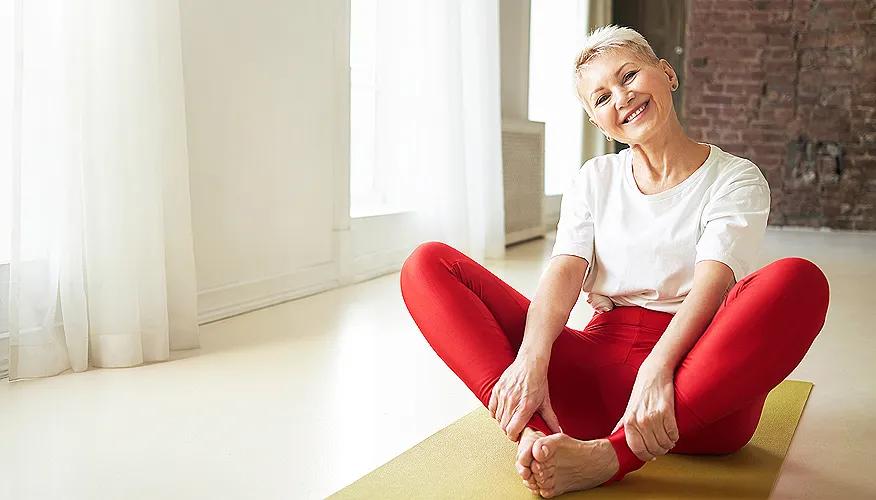
Here are some beneficial yoga poses, including detailed steps and their specific benefits for menopause symptoms:
1. Mountain Pose (Tadasana)
Steps
- Stand with feet together, heels slightly apart, and weight evenly distributed.
- Lift and spread your toes, then place them back down.
- Engage your thigh muscles and lift your kneecaps.
- Lengthen your spine, lift your chest, and relax your shoulders down.
- Keep your arms at your sides with palms facing forward.
- Hold the pose, breathing deeply for 1-2 minutes.
Benefits
- Improves posture and balance.
- Strengthens thighs, knees, and ankles.
- Promotes a sense of grounding and stability.
2. Forward Bend (Uttanasana)
Steps
- Start in Mountain Pose (Tadasana).
- Exhale and bend forward at the hips, keeping your spine long.
- Let your head hang down and place your hands on the floor, or grasp your elbows.
- Hold for 30 seconds to 1 minute, breathing deeply.
- To come up, engage your core and slowly roll up vertebra by vertebra.
Benefits
- Promotes relaxation.
- Eases symptoms like anxiety.
- Stretches the hamstrings and lower back.
3. Warrior II (Virabhadrasana II)
Steps
- Stand with your feet wide apart.
- Turn your right foot out 90 degrees and your left foot slightly in.
- Raise your arms parallel to the floor, palms down.
- Bend your right knee over your right ankle, keeping your thigh parallel to the floor.
- Gaze over your right hand and hold for 30 seconds to 1 minute.
- Repeat on the other side.
Benefits
- Strengthens legs and arms.
- Stretches hip flexors and inner thigh muscles.
- Improves stamina and focus.
4. Tree Pose (Vrikshasana)
Steps
- Stand in Mountain Pose (Tadasana).
- Shift your weight onto your left foot.
- Place the sole of your right foot on your left inner thigh or calf (avoid the knee).
- Bring your hands together in a prayer position at your chest, or raise them overhead.
- Hold for 30 seconds to 1 minute, then switch sides.
Benefits
- Builds balance.
- Strengthens thighs, calves, and ankles.
- Enhances concentration and stability.
5. Triangle Pose (Trikonasana)
Steps
- Stand with your feet wide apart.
- Turn your right foot out 90 degrees and your left foot slightly in.
- Extend your arms out to the sides, parallel to the floor.
- Reach your right hand towards your right ankle, shin, or the floor.
- Extend your left arm towards the ceiling and gaze up at your left hand.
- Hold for 30 seconds to 1 minute, then switch sides.
Benefits
- Stretches legs and torso.
- Relieves backache.
- Opens the hips and shoulders.
6. Bridge Pose (Setu Bandha Sarvangasana)
Steps
- Lie on your back with knees bent and feet hip-width apart.
- Place your arms alongside your body, palms down.
- Press into your feet and lift your hips towards the ceiling.
- Clasp your hands under your back and roll your shoulders under.
- Hold for 30 seconds to 1 minute, then release.
Benefits
- Stretches chest, neck, and spine.
- Calms the brain.
- Alleviates stress and mild depression.
7. Child’s Pose (Balasana)
Steps
- Kneel on the floor with your big toes touching and knees apart.
- Sit back on your heels and extend your arms forward on the floor.
- Rest your forehead on the mat.
- Hold for 1-3 minutes, breathing deeply.
Benefits
- Provides a gentle stretch to hips, thighs, and ankles.
- Calms the brain.
- Relieves stress and fatigue.
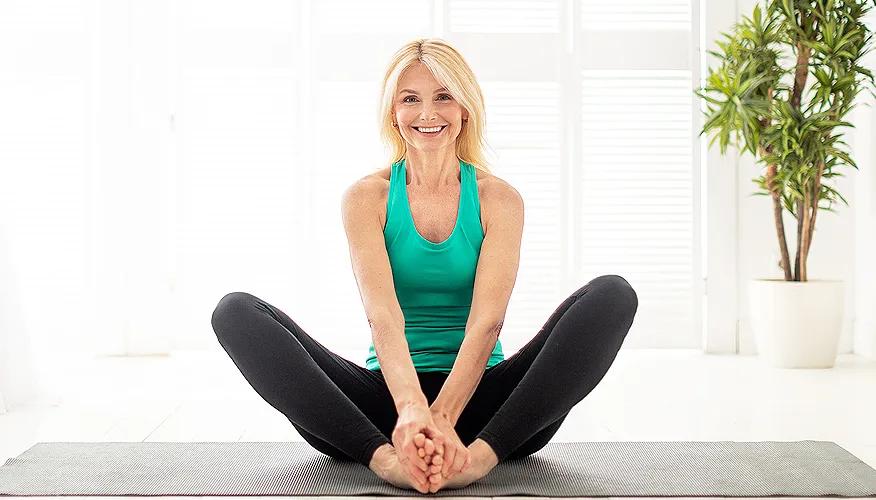
8. Butterfly Pose (Baddha Konasana)
Steps
- Sit with your legs extended.
- Bend your knees and bring the soles of your feet together.
- Hold your feet with your hands and gently press your knees towards the floor.
- Hold for 1-2 minutes, breathing deeply.
Benefits
- Stimulates abdominal organs, ovaries, and prostate gland.
- Improves heart and circulation.
- Enhances flexibility in the hips and groin.
9. Corpse Pose (Savasana)
Steps
- Lie on your back with your legs extended and arms at your sides, palms up.
- Close your eyes and focus on your breath.
- Relax your entire body, letting go of tension.
- Stay in the pose for 5-10 minutes.
Benefits
- Calms the brain.
- Relieves stress and mild depression.
- Promotes overall relaxation and rejuvenation.
10. Easy Pose (Sukhasana)
Steps
- Begin by sitting on the floor or on a yoga mat with your legs extended in front of you.
- Cross your legs at the shins and slide each foot beneath the opposite knee. Your knees should be wide, and your feet should be relaxed.
- Sit up tall with your spine straight and shoulders relaxed.
- Rest your hands on your knees, palms facing down or up, or place them in your lap, palms facing up, in a receptive gesture.
- Roll your shoulders back and down, away from your ears, to open up the chest and allow for easier breathing.
- If comfortable, close your eyes and focus on your breath, allowing your body to relax and your mind to become calm.
Benefits
- Promotes inner calm.
- Improves posture.
- Enhances focus.
- Stimulates the pelvic area.

How to practice yoga safely
Safe yoga practice involves listening to your body and not forcing yourself into any pose that feels uncomfortable. If you're new to yoga or have any health issues, consult with a knowledgeable yoga instructor before beginning a new practice.
Always warm up before starting the poses and cool down afterward. Maintain a consistent practice for maximum benefit, but be mindful not to over-exert yourself.
Bonus tips to manage menopause symptoms effectively
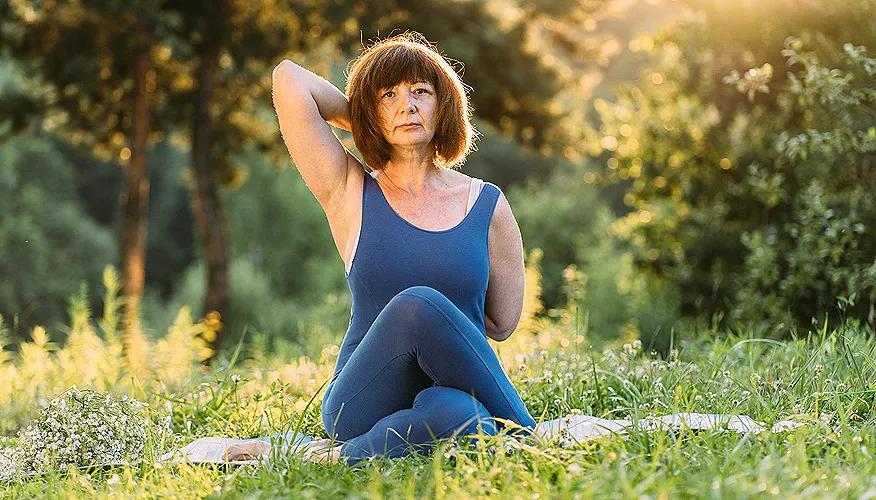
Apart from yoga, there are other lifestyle changes that can help manage menopause symptoms effectively:
- Hydrate regularly:Menopausal women often suffer from dryness due to a decrease in estrogen levels.
- Stay physically active: Regular physical activity can help stave off the weight gain that occurs due to a drop in estrogen levels during menopause.
- Eat a balanced diet: Opt for foods high in fiber and low in saturated fats to keep your heart healthy and maintain a steady weight.
Conclusion
Menopause is a natural phase of life that brings about various physical and emotional changes in women. It can be challenging, but yoga and other lifestyle modifications can help you navigate this transition with ease.
Yoga for menopause not only helps alleviate some of the physical symptoms associated with menopause but also promotes mental peace and stability.
Remember, it’s your journey. Embrace each change, knowing that it is leading you to a new phase of empowerment and self-discovery. Remember to be gentle with yourself and seek support when needed. You are not alone in this journey, and there are resources available to help you navigate the changes that menopause brings
Meet our expert

Meet our expert
Dr Bright is a member of the Fellowship of Christian Optometrist international and a Clinical Research supervisor.



How was the experience with article?
We'd love to know!