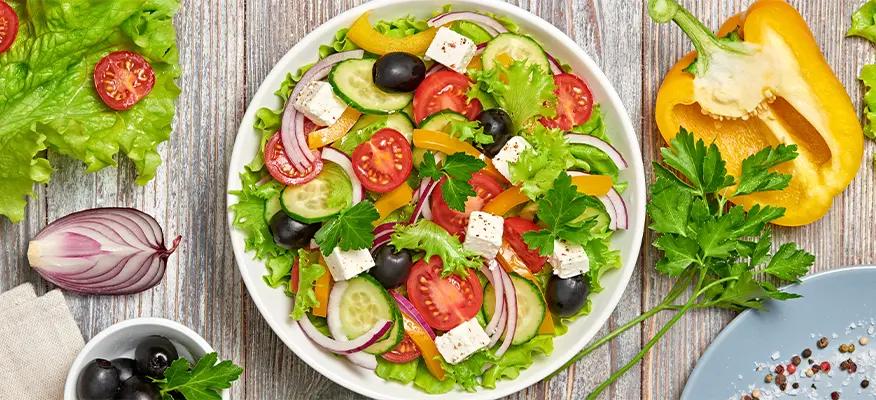
Nutrient-rich salads with iron, magnesium, fiber, calcium, and healthy fats may help support menstrual health and ease period discomfort.
Womanhood is a beautiful journey filled with many unique experiences. However, there are moments when life’s sail becomes challenging, particularly when a woman enters the phase of her menstrual cycle. The dreadful premenstrual syndrome (PMS) can cast a shadow over everyday life, significantly impacting women’s well-being.
Eating nutrient-rich salads during periods may help reduce cramps, bloating, fatigue, and PMS discomfort by supporting your body with iron, magnesium, fiber, and healthy fats.
Your diet and nutrition habits have much to do with your menstrual health. Maintaining a healthy diet during menstruation can help alleviate the distressing symptoms and promote overall wellness. Opting for salads during your menstrual period can be beneficial. Salads are rich in magnesium, which helps ease menstrual cramps. Choose dark, leafy greens like kale and broccoli, as they contain calcium that can relieve muscle tension during cramping.
In this blog, we aim to provide solace and relief by offering five nourishing salad recipes designed to enhance menstrual health. These recipes not only contribute to a balanced diet but also aim to alleviate PMS symptoms, supporting women on their path to well-being during this delicate time.
Let us look at the list of good foods to eat during your period. These salad recipes for periods support better menstrual health and liberate you from the pain crushing your body.
Can Your Diet Impact Menstrual Health?
Yes, diet can significantly impact menstrual health by influencing hormone levels, inflammation, and overall bodily function. Here are some pointers on what to eat and what to avoid promoting better menstrual health:
What to eat:
- Fruits
- Vegetables
- Whole Grains
- Healthy Fats
- Iron-Rich Foods
- Calcium
What to avoid:
- Highly Processed Foods
- Caffeine
- Alcohol
- Sugary Foods
- Food with Saturated Fats
- Excessive Salt
Nutrient-rich foods support regular menstrual cycles and reduce the risk of menstrual irregularities. Consuming adequate amounts of iron, calcium, vitamins, and healthy fats may help alleviate menstrual symptoms. Conversely, diets high in processed foods, sugar, and trans fats may worsen menstrual discomfort and disrupt hormonal balance.
In a study conducted, it was found that menstrual bleeding was lower in women who consumed olive oil daily. Including salads in your diet is the easiest and healthiest way to incorporate nutrient-rich fruits, vegetables, nuts, seeds and olive oil, all in a bowl. Check out salad recipes for your periods enlisted in the article to shoo away the grouchy feeling during the cycle. Ensuring you know what to eat during periods can make a significant difference in how you manage PMS symptoms and support your overall menstrual health with these nutritious salad recipes.
Enjoy this salad as a perfect quick lunch, and it even comes with a bonus—it's great during your menstrual cycle. Perfect for a refreshing poolside moment with sunglasses, a good book, and a glass of frozen drink. The blend of berries and vegetables makes it a standout favorite at barbecues. Give it a try for a healthier and refreshing feel!
Kale is an ideal vegetable to ease PMS symptoms as it contains calcium, addressing muscle tension during cramps. Dark, leafy greens like kale also offer iron and vitamin B to combat fatigue associated with PMS.
Strawberries are another superfood for PMS relief. Their high antioxidant content helps balance hormonal changes during menstruation. Some believe strawberries may aid in regulating low estrogen levels, potentially improving sleep for those experiencing menstrual cycles.
This salad could be your go-to superfood for easing period frustrations. Plus, it's a cool option for hot summer days since you won't need to use the oven to prepare it.

How Essential Nutrients in Salads Help During Periods
To keep painful and bothersome menstrual symptoms at bay, you should be aware of foods to eat during menstruation filled with adequate nutrients.
During periods, it's beneficial to consume salads that are rich in certain essential nutrients to help alleviate symptoms and support overall health. Some nutrients to focus on during menstruation include:
- Vitamins B1, B6, D, and E and minerals are crucial for healthy periods. Research has found that women with higher intakes of thiamine (vitamin B-1) and riboflavin (vitamin B-2) had a significantly lower risk of PMS.
- Vitamin B1 and B6 can help with PMS symptoms by reducing pain, cramps, and mood disturbances.
- Vitamin E can reduce pain and menstrual blood flow.
- Calcium help relieve depressive symptoms or anxiety, and vitamin D may influence emotional changes.
- Calcium and magnesium can help with PMS. Zinc can reduce cramping, pain, and mood disturbances.
- Omega-3s help reduce inflammation and may alleviate menstrual pain. Incorporating sources like flaxseeds, chia seeds, and walnuts into your diet can be beneficial.
- Adequate fiber intake aids in regulating bowel movements, reducing bloating, and supporting digestive health during menstruation. Fruits, vegetables, whole grains, nuts, and seeds are excellent sources of fiber.
- Potassium helps to regulate fluid balance and may reduce bloating and water retention. Bananas, sweet potatoes, beans, and leafy greens are good sources of potassium.
- Foods rich in antioxidants, such as berries (blueberries, strawberries), dark chocolate, and colorful vegetables (like bell peppers, carrots, and tomatoes), help combat inflammation and oxidative stress, potentially easing menstrual discomfort.
- Consuming adequate protein can help stabilize blood sugar levels, manage hunger, and support overall energy levels during menstruation.
- Iron is essential, especially during menstruation due to potential blood loss. Adequate iron intake helps prevent iron-deficiency anemia and fatigue.
- Dark, leafy greens, such as spinach and kale, are excellent sources of both iron and folate. Iron is important for replenishing the iron lost through menstrual bleeding, helping to prevent iron deficiency anemia. Folate, a B-vitamin, is essential for the synthesis and repair of DNA, playing a crucial role in these processes. It is particularly important during menstruation to support cell regeneration as the uterine lining sheds.
- Leafy greens also provide essential minerals like magnesium and potassium. Magnesium has been associated with reducing muscle cramps and may help alleviate symptoms of menstrual cramping. Potassium is an electrolyte that contributes to proper muscle function, and its intake may help manage cramping and muscle tension during menstruation.
- Dark green, leafy vegetables are rich in calcium, which is vital for bone health and muscle function. Adequate calcium intake may help alleviate muscle tension and discomfort associated with menstrual cramps.
Period food recipes will ensure that all these nutrients are incorporated in a balanced way into your diet and get you going.
Is Salad Good to Eat During Periods?
Yes, eating salad during your period can be a healthy choice. Salads provide essential nutrients such as vitamins, fiber, and antioxidants, which may help alleviate menstrual symptoms like bloating and fatigue. Dark, leafy greens are a must during your period as they are rich in iron, countering the iron loss. However, some women may experience digestive sensitivity during their period, so it's crucial to choose easily digestible ingredients and avoid foods that might worsen bloating or discomfort.
Opt for well-balanced salads with lean proteins, healthy fats, and gentle vegetables to support overall well-being. Including foods high in omega-3 fatty acids, like walnuts or flaxseeds, can help reduce inflammation and alleviate cramps. Remember to customize your salad based on individual preferences and dietary needs.
Staying hydrated is important for easing bloating, and incorporating self-care practices and getting enough rest can contribute to a more comfortable menstrual experience. Listen to your body and make choices that align with your well-being during this time.
Benefits of Eating Salads During Periods
Eating salads during periods can be beneficial for several reasons:
1. Nutrient Intake
Salads often contain a variety of vegetables rich in essential nutrients like vitamins (such as vitamin C, vitamin K, and folate), minerals (like iron and magnesium), and fiber. These nutrients can help replenish what the body loses during menstruation and support overall health. Salads, especially those containing lettuce, tomatoes, and cucumbers, are rich in natural magnesium. Magnesium is beneficial for managing period pain as it acts as a natural muscle relaxant, potentially easing menstrual cramps. Additionally, during menstruation, the body loses a significant amount of iron, leading to symptoms like fatigue, dizziness, and pain. To counter this iron deficiency, incorporating leafy green vegetables into your diet becomes essential. Spinach, kale, and broccoli stand out as excellent sources of iron and are also packed with magnesium, which can ease PMS symptoms. Dark, leafy greens, specifically important during menstruation, contain essential nutrients like folate and iron, supporting the replacement of nutrients lost during the shedding of the uterine lining. You can create a substantial salad incorporating these greens or add them to various vegetable-based dishes. Whether you toss them into a colorful salad bowl or mix them into a veggie stir-fry, incorporating these greens into your meals can contribute to reducing menstrual cramp pain.
2. Hydration
Many vegetables in salads have high water content, which helps in maintaining hydration levels during menstruation. Staying hydrated is essential to support bodily functions and can alleviate symptoms like bloating and fatigue. Salads with veggies like cucumber and lettuce, which have lots of water, help keep you hydrated during your period. For instance, a salad with tomatoes (94% water) and cucumbers (96% water) can refresh your body.
3. Managing Cravings
Some people experience cravings for unhealthy or high-calorie foods during menstruation. Incorporating salads into meals can help manage these cravings by providing a healthy, satisfying option that still fulfills the need for different tastes and textures. For example, a mixed greens salad with a combination of crunchy vegetables like carrots and bell peppers, along with a few nuts or seeds for added texture, can satisfy cravings for different tastes while providing essential nutrients.
4. Digestive Health
The fiber present in salads aids in proper digestion and can alleviate constipation, which some individuals may experience during their menstrual cycle. If you make a salad with leafy greens (spinach or kale) and beans (chickpeas or black beans), it can keep your digestion healthy and prevent constipation during your period.
5. Reduced Period Discomfort
Certain ingredients commonly found in salads, such as leafy greens (such as spinach or kale) and vegetables, contain antioxidants and anti-inflammatory properties that may help reduce menstrual discomfort, such as cramping and bloating. Spinach and broccoli are packed with iron, fiber, and magnesium. You can enjoy them steamed, in a stir fry, as a salad, in soup, or blended into a green smoothie. The magnesium and potassium found in leafy greens can alleviate cramping symptoms. Choosing greens as an iron source can reduce fatigue, and the high vitamin C content enhances iron absorption in the body.
6. Weight Management
Eating salads with a variety of vegetables can help maintain a balanced diet and control calorie intake, which might be useful for those managing their weight during their menstrual cycle.
While salads can offer these benefits during periods, it's also essential to maintain a balanced diet and listen to your body's specific needs during this time. Incorporating a variety of nutrient-dense foods is key to supporting overall health and well-being throughout the menstrual cycle.
7. Iron and Folate for Menstrual Energy
Dark, leafy greens, such as spinach and kale, are excellent sources of both iron and folate. Iron is important for replenishing the iron lost through menstrual bleeding, helping to prevent iron deficiency anemia. Folate, a B-vitamin, is essential for the synthesis and repair of DNA, playing a crucial role in these processes. It is particularly important during menstruation to support cell regeneration as the uterine lining sheds.
8. Magnesium and Potassium for Cramp Relief
Leafy greens also provide essential minerals like magnesium and potassium. Magnesium has been associated with reducing muscle cramps and may help alleviate symptoms of menstrual cramping. Potassium is an electrolyte that contributes to proper muscle function, and its intake may help manage cramping and muscle tension during menstruation.
9. Calcium for Period Comfort
Dark green, leafy vegetables are rich in calcium, which is vital for bone health and muscle function. Eating dark, leafy green vegetables, which contain adequate calcium, can help alleviate muscle tension and discomfort associated with menstrual cramps.
Top 5 Salads to Eat During Periods
Now that we know the relationship between nutrients and menstrual wellness, let us dive into some delicious and nutritious salad recipes and try them at home.
1. Spinach and Apple Salad for Period Cramps
- Green leafy veggies are a huge source of vital nutrients, and spinach is rich in iron, magnesium, Vitamin A, Vitamin C, Vitamin K, folate, and potassium.
- Iron, B vitamin (folate) and magnesium can help with menstrual cramps. As a rich source of iron, it replenishes lost iron in the body if you have a heavy flow period.
- Vitamin C aids in the absorption of iron into the bloodstream.
- Apples are loaded with potassium, which keeps mood swings in check and other vitamins, minerals and fibre.
- Decreased potassium causes cramping, so having a spinach-apple salad is a great way to relieve period cramps.
- During menstruation, the body experiences hormonal changes and sheds the uterine lining, which includes the loss of blood containing iron. So, it can be beneficial to consume foods rich in iron and nutrients to help replenish what the body loses during this time. Spinach, being a good source of iron, can be a helpful addition to your diet during periods. Apples are also nutritious and can provide fiber and vitamins.
- Spinach contains abundant amounts of magnesium, vitamin B6, and vitamin E, all known for their effectiveness in alleviating menstrual cramps. If you experience bloating and cramping during your menstrual cycle, consider including spinach in your meals. Incorporating spinach into salads or blending it into smoothies can offer a nutritional enhancement that may help relieve these discomforts.
- Spinach and broccoli are packed with iron, fiber, and magnesium. You can cook them by steaming, use them in stir-fries, salads, soups, or blend them into green smoothies. Leafy greens like spinach and broccoli contain magnesium and potassium, which can alleviate cramping symptoms. By incorporating these greens rich in iron into your diet, you may experience reduced fatigue. Additionally, their high vitamin C content aids in better absorption of iron in the body. A spinach and broccoli salad is also rich in antioxidants, vitamin C, beta-carotene, and various flavonoids, reducing oxidative stress. Additionally, it is high in vitamin K, which is helpful in blood clotting.
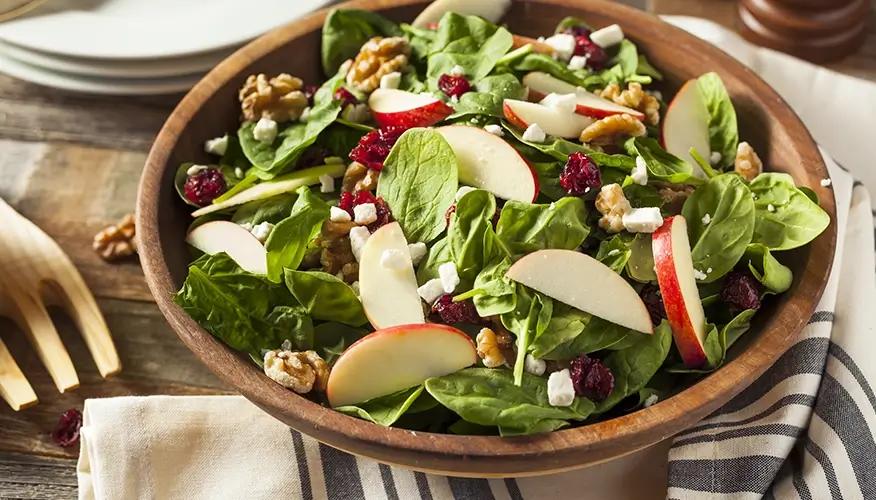
You can find many recipes for period cramps on the internet - here’s an exclusive one which will be your companion for healthy menses.
Spinach and Apple Salad Recipe that can help with period cramp relief:
- Take thoroughly cleaned baby spinach (4-5 cups ), one thinly sliced apple, and 1 cup of crumbled feta cheese in a salad bowl.
- Make the salad dressing by whisking three tablespoons of olive oil, two tablespoons of apple cider vinegar, one teaspoon of mustard paste and 1/2 teaspoon of honey.
- Add the dressing into the bowl and toss the salad thoroughly.
- Add chopped walnuts(roasted) and salt and pepper to your palate.
2. Ginger and Cucumber Salad for Period Bloating
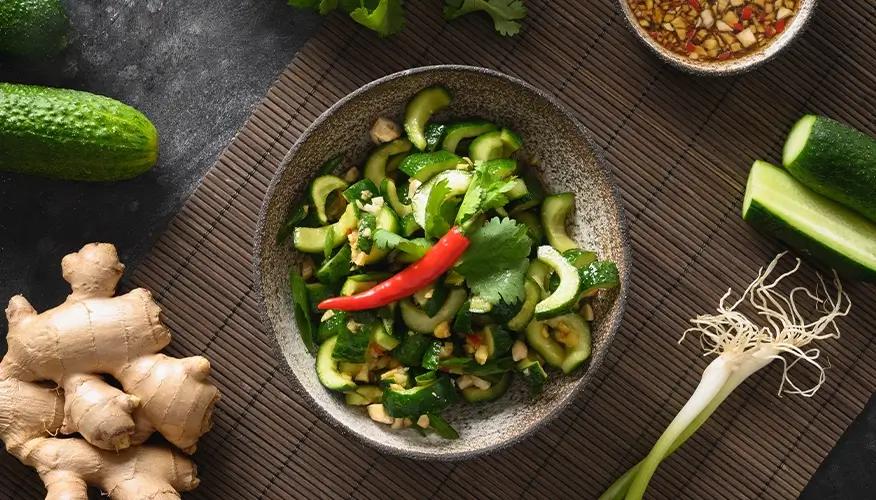
- Ginger is widely used in Asian households in various dishes. It is known as a carminative and helps with digestive problems.
- Has anti-inflammatory properties.
- It can alleviate PMS symptoms, act as an emmenagogue and induce periods.
- It also improves the condition of PCOS, where hormonal changes cause irregular periods.
- Whereas cucumbers are known for their high water content. It hydrates the body well and helps in bloating and water retention during the periods.
- Ginger and cucumber salad can be a beneficial addition to your diet during menstruation. Both ginger and cucumber offer various health benefits that may help alleviate some discomfort associated with periods.
- Ginger is known for easing menstrual discomfort and pain as it has anti-inflammatory properties and can alleviate muscle spasms. Additionally, it's considered an emmenagogue, meaning it can stimulate menstrual flow.
- Cucumbers, with their high-water content, are excellent for reducing menstrual bloating.
Ginger and Cucumber Salad Recipe for Menstrual Comfort:
- Take two cucumbers, chop and add into a bowl and add 1/3 cup pickled ginger(marinated in vinegar and salt).
- Combine 2 tbsp apple cider vinegar, 1 tsp honey/maple syrup and 1 tbsp olive oil and whisk it well.
- Put the marinade over the cucumber and toss it well. Season it with salt.
- Refrigerate for 3 hours for proper marination.
- Before serving, garnish it with mint leaves.
3. Carrot and Avocado Salad for Hormonal Balance
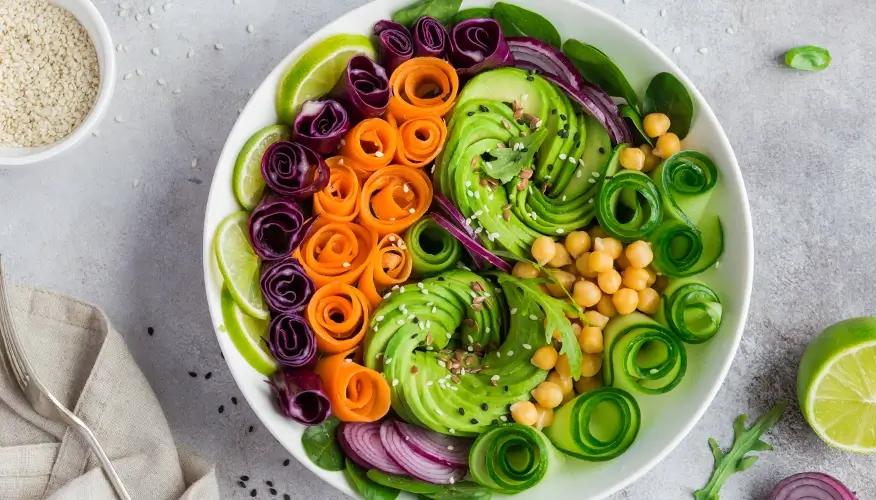
- Avocados are rich in Vitamin E and can help reduce dysmenorrhea; in fighting PMS.
- It is rich in omega-3 fats which affect prostaglandin E2 (or PGE2) that controls the contraction of the uterus.
- It helps to reduce blood flow, benefitting women with heavy periods.
- Carrots are a rich source of vitamins A, C, and E and minerals. These can support hormonal balance, improve blood circulation and strengthen the immune system.
- Some people believe that consuming a raw carrot salad once or twice daily can alleviate menstrual symptoms such as cramps, acne, and diarrhea. Raw carrots contain a type of fiber that attaches to surplus estrogen in the intestines, aiding the body in removing it through bowel movements. This process is thought to potentially reduce symptoms associated with the menstrual cycle.
- Eating avocado salad during your period is beneficial because it's packed with vitamins, healthy fats, and fiber that help balance hormones and support menstrual health. Additionally, avocados contain omega-3 fatty acids and magnesium, which may potentially alleviate period cramps. Avocados are recognized for their ability to reduce inflammation in the body due to their anti-inflammatory properties.
Carrot and Avocado Salad Recipe for Hormone Balance during Periods:
- Take a large avocado diced and two medium-sized carrots grated/sliced. Mix them in a bowl.
- Add a dash of balsamic vinegar, herbs and salt and pepper to taste.
- Add chia seeds or sunflower seeds, as per your preference.
- Refrigerate for around 20-25 minutes before serving.
You can also try avocado and tomato salad a.k.a Guacamole too, the recipe of which is provided below. Tomatoes are high in potassium and water content which aids in body hydration and prevent muscle cramps.
4. Apple Salad for Period Energy
Apples are loaded with potassium counters the mood swings. Apples carry natural sugars that offer an energy lift, which can be beneficial during periods when energy tends to be lower. Additionally, they're packed with antioxidants and Vitamin C, aiding the immune system and lowering inflammation levels.
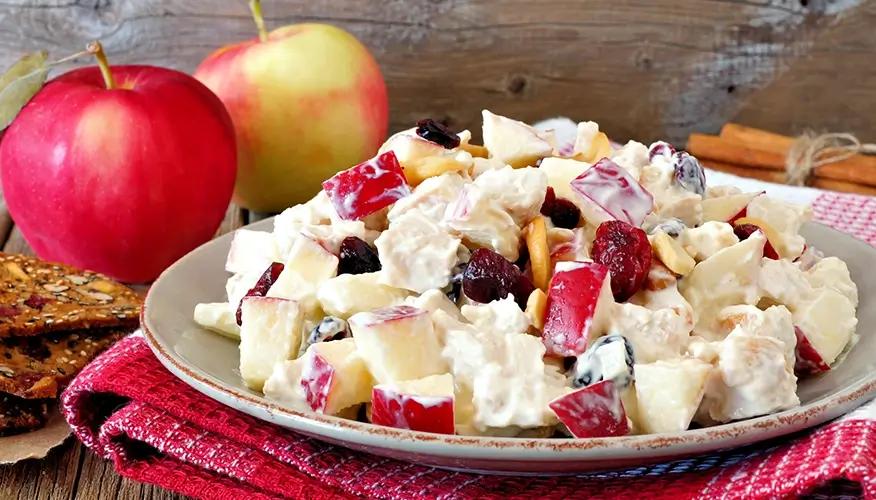
Apple Salad Recipe for Dietary Support During Menstruation:
- Take 1/2 cup diced celery, ½ red onion finely chopped and one medium-sized diced apple and combine it all in a salad bowl.
- Add 6 tbsp mayonnaise, 2 tsp lemon juice, salt, and pepper.
- Mix everything well and add lettuce/celery or nuts of your choice.
5. Avocado and Tomato Salad for Menstrual Cramps
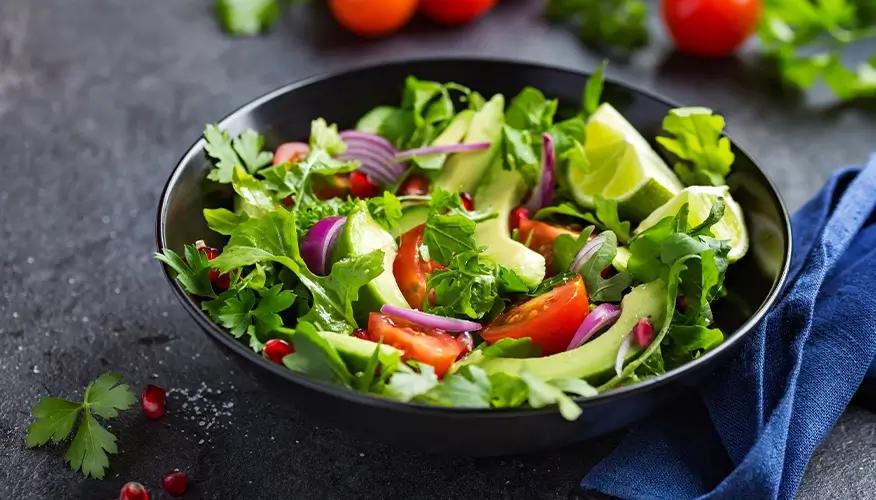
- Avocado offers several benefits for menstrual health. Its rich content of healthy fats helps regulate hormones, while vitamin E reduces menstrual cramps and promotes blood circulation.
- The potassium in avocados alleviates bloating and water retention, and the fiber aids digestion and stabilizes blood sugar levels, reducing PMS symptoms.
- On the other hand, tomatoes provide vitamin C to boost the immune system and enhance iron absorption, combating fatigue during menstruation. The lycopene in tomatoes acts as an anti-inflammatory, potentially easing menstrual discomfort.
- Additionally, tomatoes’ high water content aids hydration and their low-calorie nature supports weight management during the menstrual cycle. Incorporating avocado and tomato into salads can provide these valuable nutrients, promoting menstrual health and overall well-being.
- Having avocado and tomato salad during your period can be beneficial due to their rich nutrient content. Avocados contain potassium and healthy fats that may help alleviate period-related discomfort, while tomatoes provide antioxidants and vitamins that contribute to overall health.
- Including tomatoes in your diet can be beneficial for period pain as they are rich in natural magnesium. Magnesium acts as a natural muscle relaxant, potentially easing menstrual cramps. Consuming foods high in magnesium during menstruation may help alleviate discomfort associated with period pain.
- Avocados are a top choice for period-friendly foods because they're rich in magnesium, which helps reduce dysmenorrhea by relaxing the uterine muscles and easing menstrual cramps. They're a great option to ease period discomfort and promote relaxation in the body during menstruation.
Best Avocado and Tomato Salad Recipe to Relieve Menstrual Cramps:
- In a blender or food processor, combine 2 ripe avocados, 2 large tomatoes, 1 small red onion, 1 small cucumber, and 1/4 cup fresh cilantro leaves (optional).
- Add the juice of 1 lime and 2 tablespoons of extra-virgin olive oil to the blender.
- Blend until the ingredients are well combined and reach your desired consistency.
- Season with salt and pepper to taste.
- Let the avocado and tomato salad mixture sit for about 10 minutes to allow the flavors to meld together.
Eating Salads During Periods: Fact or Fiction?
Certainly! Some people believe that eating salad during periods might help alleviate or worsen menstrual symptoms. According to anecdotal claims, the high water content and nutrients in salads could potentially ease bloating and discomfort for some. However, others suggest that consuming raw vegetables might cause additional discomfort or irregularities during menstruation.
However, there isn't much scientific evidence directly linking salad consumption to menstrual health. While nutrients like magnesium and vitamin E found in salads could theoretically help with cramps and mood swings, the digestion of raw vegetables might be challenging for some individuals, leading to minor discomfort.
During menstruation, it's essential to stay hydrated and maintain a nutritious diet to support the body's needs. Some people might experience specific cravings or changes in appetite during this time, and it's generally advisable to listen to your body and consume foods that make you feel comfortable and nourished.
In essence, the impact of eating salad during menstruation can differ from person to person. If someone experiences severe menstrual symptoms such as intense cramps, prolonged heavy bleeding, or other concerning issues related to their menstrual cycle, it's recommended to consult a healthcare professional for guidance and appropriate management.
Conclusion
Every person’s menstrual experience is unique; so, it’s essential to listen to your body and take measures to overcome it. A balanced diet, hydration, exercise, good sleep and stress management can all help with distress during these periods.
Try out these yummy and healthy period food recipes and replenish the nutrients in the body. Together, let’s conquer the blues and embrace a harmonious menstrual journey. Make healthy eating a priority and see how your body thanks you.
Meet our expert
.webp&w=1920&q=75)
Meet our expert
Dr. Kulyk Alexander Petrovich is a Ukraine-based gynecologist, with extensive experience in women's health. In 1995, he graduated from the Kyiv Medical University, and specialized in gynecology. He then went on to work as a gynecologist in the Institute of Pediatric, Obstetrics and Gynecology in Kyiv, where he worked until the year 2000.


How was the experience with article?
We'd love to know!