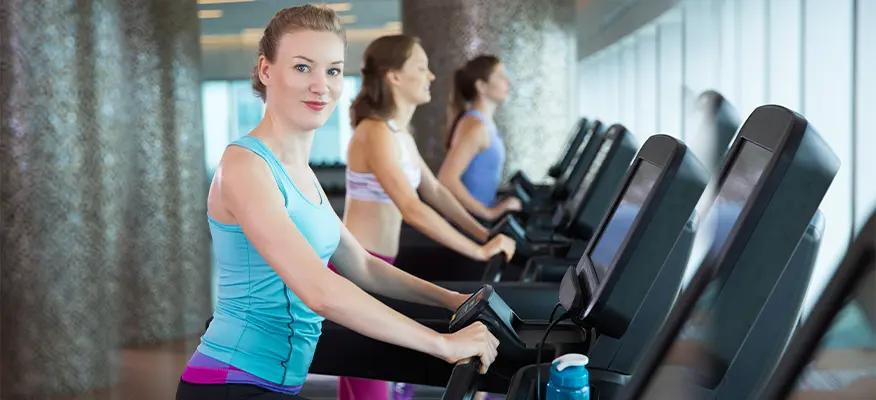
Periods can make you feel groggy, sad, grumpy, angry, hungry-all at the same time! These emotions are all a part and parcel of PMS. Some women experience these symptoms more severely than others. This can take a heavy toll on their quality of life and these issues should be taken care of at the earliest. Some lifestyle changes like diet and exercise for your periods can help reduce some problems.
So, do not let your periods drag you down. Here are some ways cardio exercises can help you manage your period pain and other PMS symptoms.
Benefits of cardio exercise
Regular cardio exercise can help you live a longer and healthier life. Here are some benefits of regular exercise:
- Improves your heart and lung function
- Keeps you from gaining weight
- Helps you keep your blood pressure in check
- Reduces the 'bad' cholesterol in your body
- Increases the good cholesterol levels in your body
- Improves blood flow to muscles and organs
- Helps the body to better utilize insulin to control glucose levels
- Improves muscular function and strength
- Increases the body's ability to transport and use oxygen
How cardio can help with PMS and menstrual health
Cardio exercises can be extremely beneficial in promoting menstrual health and reducing PMS symptoms. Many hormones and chemicals are released in the body during different times of the menstrual cycle. Some of these like prolactin, aldosterone, prostaglandins, norepinephrine, renin, etc. are responsible for various symptoms like swelling, weight gain, headaches, and breast pain. Aerobic or cardio exercises can regulate the levels of these hormones and provide relief from PMS symptoms.
PCOS is one of the most common hormonal disorders experienced by women of reproductive age. Since aerobic exercise helps in improving insulin sensitivity as well as weight reduction, it is also considered a valuable part of treating PCOS.
7 cardio exercises to try
You don't need to be an athlete to exercise regularly! These are some simple exercises you can perform to keep your menstrual health and PMS symptoms in check.
1. Walking
Walking is one of the easiest ways to get in some cardio. Taking a brisk walk for 30 minutes a day, five times a week can get you sweating. You can even walk in intervals of 2-3, but remember, to count as a good cardio exercise, you need to get your heart rate up. Walking around the house can also help if you break a sweat doing so.
2. Jog in one place
Jogging in place can be a good warm-up or even a single cardio activity. It can be done easily at home with very little space. Simply, bounce from one foot to the other while swinging the opposite arm. Do so for 3-4 minutes and repeat as many times as possible and feasible.
3. Jumping Jacks
Jumping is one of the most effective ways to increase your heart rate. Stand with your feet together and arms down. Then jump and land with your feet apart while swinging your arms such that they are parallel to the ground. Perform jumping jacks for 1 minute at least before taking a short break of 10-20s. Repeat 4-5 times or more if possible.
4. Dance
This one is the most fun. You don't need to be a dancer to do a dance workout. Any form of dance, even freestyle, is a good way to work up your heart rate. Just put on your favorite tunes and dance for 30 minutes.
5. Jump rope
Skipping or jumping rope is another way to make jumping fun. All you need is a jumping rope and some motivation! You can jump rope with one or both legs-it's your choice. If you do not have a jump rope or find it too difficult to use one, not to worry. You can even practice 'Air jump rope' by jumping in place and swinging your arms like you would with a real jump rope.
6. Bike ride
We all learn to ride a bike when we're young. A few years down the road, that bike still lies somewhere in the corner of our house, gathering dust and rust. It's time to brush off the dust on your biking skills because riding your bike is a fantastic cardio exercise to reduce period pains. This will also allow you to spend time in nature and elevate your mood.
7. Stair climb
We all hate stairs for the most part. But it's time to make them your best friend. Walking up and down the stairs for 10-15 minutes, twice or thrice a day is a good exercise.
You can do a combination of these cardio exercises or just one of them, whatever is feasible. The important thing is to get going and keep moving! Along with exercise, diet also plays a vital role in menstrual health. Inculcate these lifestyle changes and welcome a healthy menstrual cycle!
Meet our expert

GHBY Team
GHBY TeamMeet our expert
GHBY Team comprises content writers and content editors who specialise in health and lifestyle writing. Always on the lookout for new trends in the health and lifestyle space, Team GHBY follows an audience-first approach. This ensures they bring the latest in the health space to your fingertips, so you can stay ahead in your wellness game.


How was the experience with article?
We'd love to know!