
Month after month, we navigate the ups and downs of menstruation, a journey that often brings challenges to our doorstep. The impact on our energy levels and overall well-being during this time can be profound, leaving us searching for ways to find relief.
While over-the-counter pain relievers have become a common go-to, there is a natural and empowering alternative: the incredible world of food. By embracing the right nourishment, we can unlock the potential to ease menstrual and premenstrual syndrome (PMS) symptoms, allowing us to reclaim control over our bodies and well-being.
Consuming certain foods for period cramps can provide natural relief for menstrual and premenstrual syndrome (PMS) symptoms.
What causes discomfort during periods?
When the uterus contracts to shed its lining during menstruation, it results in cramping. While some women may experience mild discomfort, others endure severe pain that can interfere with their ability to work, attend school, or engage in regular activities.
The cramps can be accompanied by other distressing symptoms like headaches, nausea, fatigue, and mood swings.
The physical and emotional toll of severe period cramps cannot be underestimated, highlighting the need for effective management strategies for those who experience this challenging aspect of their menstrual cycle.
In this blog post, we will explore a variety of nourishing foods known for their potential to alleviate discomfort during your period.
Let's discover the power of food in supporting menstrual health, and read all about the best foods for period cramps.
Add these ingredients to your food for period cramps
1. Ginger: An ally for menstrual cramps
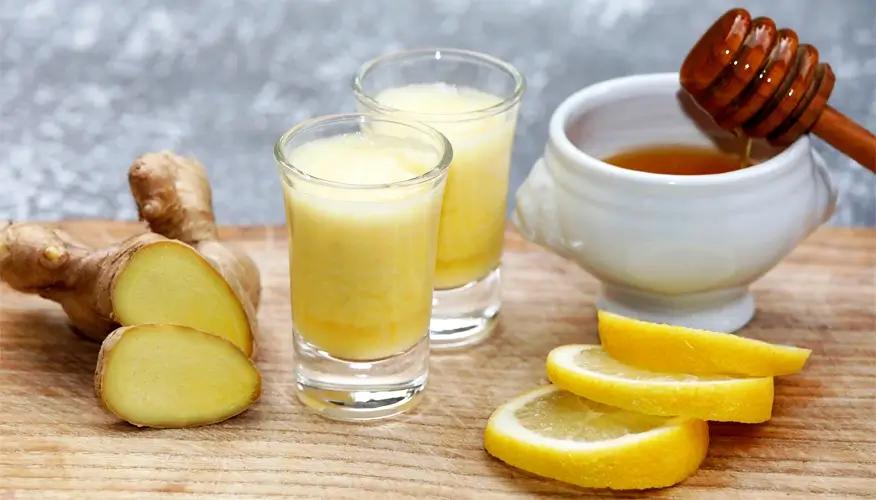
- Ginger, with its potent anti-inflammatory and analgesic properties, has long been used to alleviate various types of pain, including menstrual cramps.
- It helps to reduce inflammation and block the production of prostaglandins, which are responsible for uterine contractions.
Eat it:
- Incorporating fresh or powdered ginger into your meals, teas, or smoothies can offer natural relief during your period.
- You can add fresh or grated ginger to stir-fries for a burst of zesty flavor. Simply mince or grate a small amount of ginger and saute it with your choice of vegetables, proteins, and seasonings.
- Explore other recipes for dishes like ginger garlic noodles, ginger-infused dipping sauces, or ginger drinks to consume this food for menstrual cramps.
2. Leafy greens: A nutrient powerhouse for menstrual health
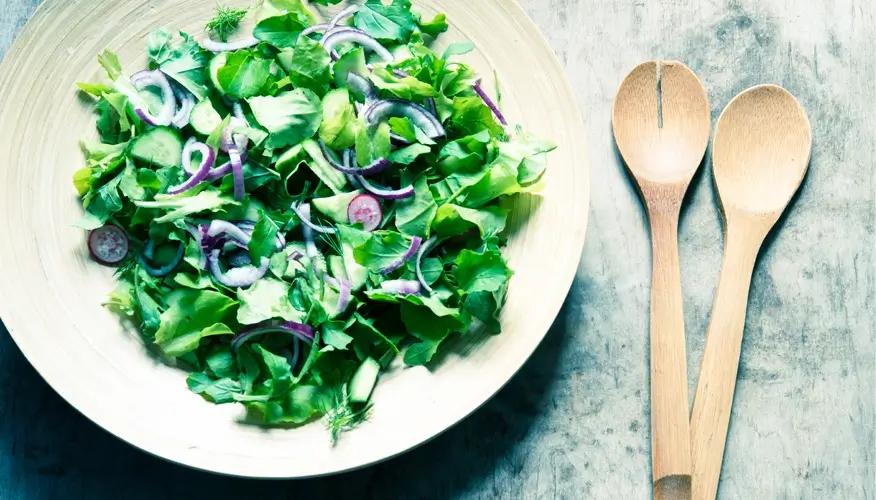
- Leafy green vegetables such as spinach or kale are rich in essential nutrients like calcium, magnesium, and vitamin B6, which can help ease menstrual cramps and reduce PMS symptoms. This makes leafy greens one of the best foods for PMS cramps.
- Magnesium, in particular, helps relax muscles and ease tension. Including a generous portion of leafy greens in your diet can provide valuable support for your menstrual health.
Eat it:
- Create flavorful marinades and dressings to make delicious dressings for leafy salads.
- Combine grated ginger, soy sauce or tamari, garlic, honey, and other desired ingredients to make a zingy marinade for meats, tofu, or vegetables for your salad.
- Salads are definitely the easiest way to consume a lot of leafy vegetables.
3. Nuts and seeds: Magnesium and Vitamin E Superstars
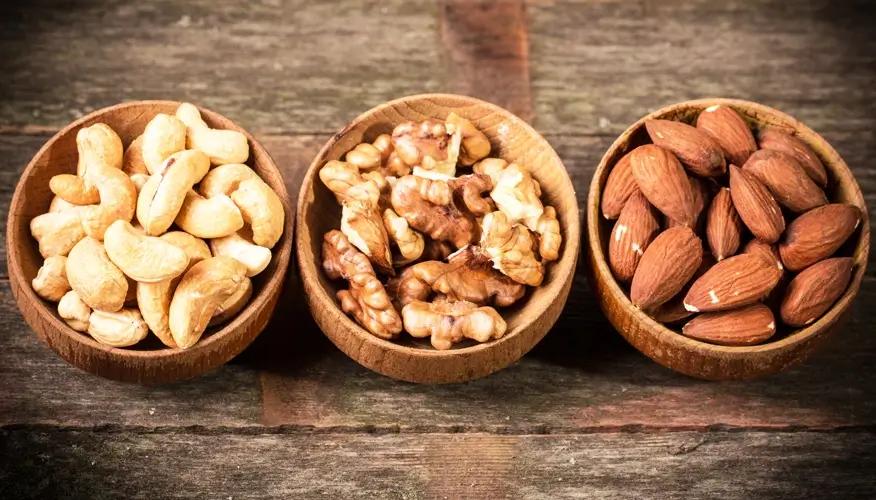
- Nuts and seeds like almonds, walnuts, flaxseeds, and pumpkin seeds are packed with magnesium, vitamin E, and healthy fats.
- Magnesium helps relax muscles, while vitamin E acts as an antioxidant and may help reduce PMS symptoms.
Eat it:
- Snacking on a handful of nuts or adding seeds to your meals can be a delicious way to nourish your body during your period.
- Nuts can bring warmth and depth of flavor to baked goods and desserts. You can add them to cookies, cakes, muffins, or even homemade granola.
4. Berries: Antioxidant-rich delights for menstrual health
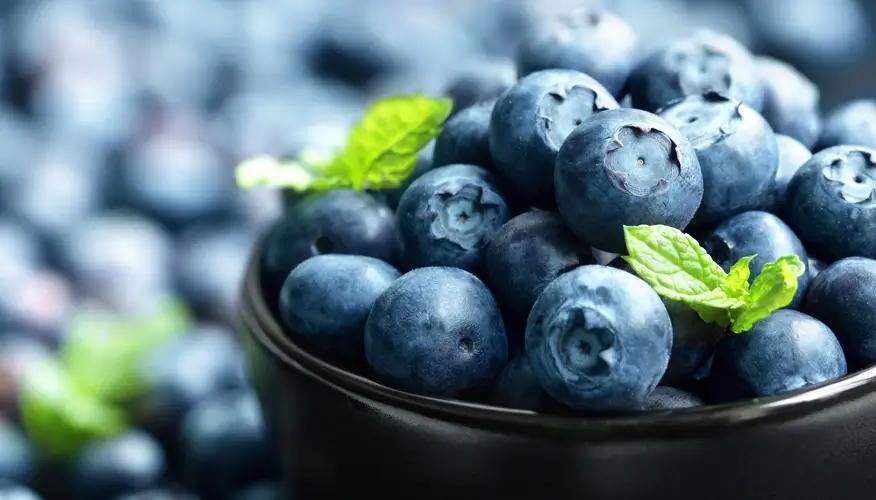
- Berries, such as strawberries, blueberries, and raspberries, are not only delicious but also loaded with antioxidants.
- These antioxidants help reduce inflammation and combat oxidative stress, which can contribute to menstrual cramps.
Eat it:
- Adding a variety of colorful berries to your diet can provide essential nutrients and contribute to menstrual well-being.
- Munch on them or combine them with your morning oats or smoothie bowl and enjoy.
Avoid these foods for menstrual cramps
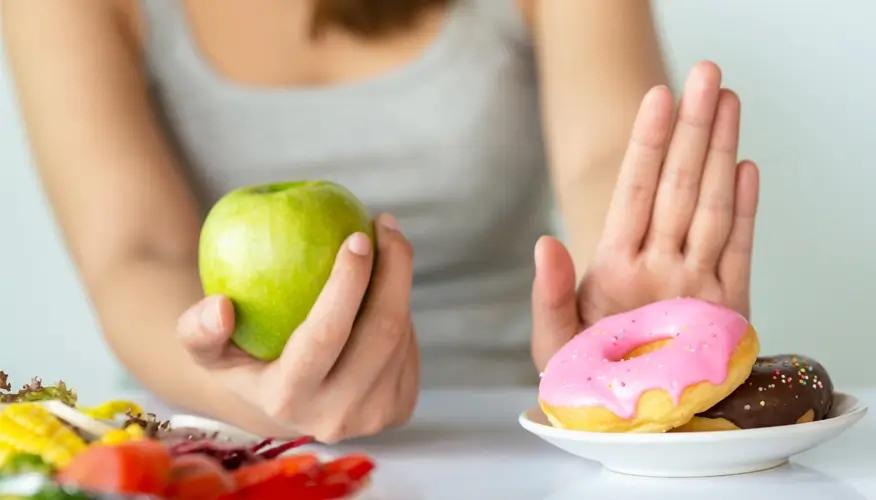
1. Processed foods
- Processed foods, including fast food, packaged snacks, and sugary treats, tend to be high in unhealthy fats, refined carbohydrates, and additives.
- These can increase inflammation in the body and potentially worsen period pain.
2. Excessive sodium
- Foods high in sodium, such as processed meats, canned soups, and salty snacks, can contribute to water retention and bloating.
- Avoiding excessive sodium intake may help reduce uncomfortable bloating during your period.
3. Caffeine and alcohol
- Caffeine and alcohol can disrupt hormone levels and exacerbate symptoms like breast tenderness, irritability, and mood swings.
- They can also contribute to dehydration and may worsen bloating and cramping.
4. High-sugar foods
- Consuming excessive amounts of sugary foods, including candies, pastries, and sweetened beverages, can lead to inflammation and energy crashes.
- Opt for healthier alternatives or satisfy your sweet tooth with fruits instead.
5. Trans-fats
- Trans fats, commonly found in fried and processed foods, have been linked to increased inflammation and worsened menstrual symptoms.
- It's best to avoid foods made with partially hydrogenated oils and opt for healthier cooking methods like baking or grilling.
6. Dairy products
- Some individuals may experience increased inflammation and digestive discomfort when consuming dairy products during their periods.
- If you notice this sensitivity, consider opting for dairy alternatives or reducing your intake.
7. High-gluten foods
- Gluten, a protein found in wheat, barley, and rye, can cause inflammation and digestive issues for some individuals.
- Pay attention to your body’s response and consider reducing or eliminating gluten-containing foods if needed.
Conclusion
While menstrual cramps and PMS symptoms can be uncomfortable, making the right dietary changes can offer a natural and holistic approach to finding relief. You can also avoid foods that might worsen your PMS symptoms and increase discomfort.
Remember, consulting with a healthcare professional or nutritionist can provide personalized guidance and help you make informed choices about your diet and well-being during your menstrual cycle.
Make sure to find out what are the methods that your doctor recommends, try them out and see what works for you.
Each body and each person is different and how our bodies react to different foods and remedies is different.
What works for one might not work for another.
Natural remedies, especially, take a very long time to work and show effects. Be patient and give your body time to adapt to dietary and lifestyle changes.
So, try out the recommended food for menstrual cramps, and do what works best for you.
Meet our expert

GHBY Team
GHBY TeamMeet our expert
GHBY Team comprises content writers and content editors who specialise in health and lifestyle writing. Always on the lookout for new trends in the health and lifestyle space, Team GHBY follows an audience-first approach. This ensures they bring the latest in the health space to your fingertips, so you can stay ahead in your wellness game.


How was the experience with article?
We'd love to know!