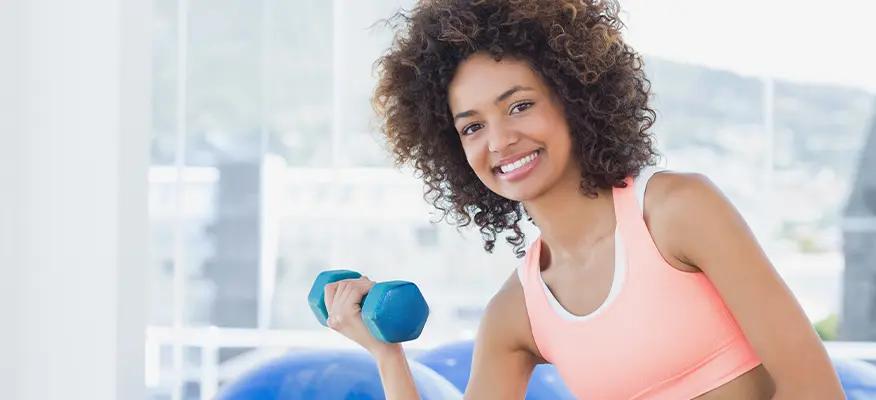
Your period week can be painful, emotionally taxing, and mentally exhausting. Unfortunately, there is not much you can do to completely prevent them from happening. However, all clouds have a silver lining! By monitoring your diet and getting in some exercise, you can reduce menstrual distress and keep period problems at bay.
Regular exercise has proven to be beneficial for women during their periods! Here are some benefits of doing exercise regularly during your periods
Say goodbye to mood swings!
Almost every woman has experienced mood swings during their period days. Regular exercise is known to increase the production and release of happy hormones like endorphins, serotonin, and dopamine. As the name suggests, these hormones influence your mood and make you feel positive and confident to face any challenges headed your way!
Escape those painful cramps
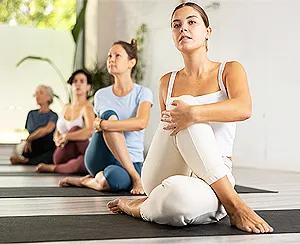
Although there is no way how you can get rid of cramps completely, you can reduce their severity and frequency. Studies show that women who do exercises such as yoga regularly have lower instances of period cramps and other menstrual distress.
Beat those irregular menses
Regular exercise leads to regular menstrual cycles! There is evidence that suggests women who exercise regularly are more likely to have regular periods. Apart from this, exercise helps improve blood circulation and helps you combat problems like light or heavy periods!
Well, we hope that covered the various benefits exercise has on your period health! But it is important to remember that everything is best in moderation. If done incorrectly, exercise can do you more harm than good.
Here are a few good and bad practices that you need to know before you start working out!
Things to keep in mind before exercising
Research shows that it takes at least 18 days to form a habit. Having good habits and a positive attitude towards your exercise regime goes a long way in helping your period and overall health.
Here is a list of practices you can adopt for a better period:
1. Warm up your engine before starting
Most people underestimate the importance of a good warm-up session. Whether it is weight lifting, a morning jog, or an hour of yoga, all exercises require your muscles to be ready to take the load of exercise.
Warming up before your workout session will increase your heart rate and improve blood flow to the muscles. This will help reduce the risk of injury, prevent muscle soreness after a workout, and allow you to have an optimum workout session!
2. Consistency is key!
A single day of exercise won't benefit your menstrual health. The key to a happy period is regular and consistent exercise. However, being regular isn't everyone's cup of tea. We get it!
During such trying times, it is difficult to find the motivation to drag yourself to the gym. Here are a few simple tricks you can use to be more regular with your exercise.
- Chart your progress: Whether it is losing fat or building muscle, knowing how far along you've come works as a good motivation boost
- Set short-term goals: Change takes time. If you're accustomed to a more sedentary lifestyle it is more difficult for you to stay consistent. Setting short-term goals like dropping 0.5 to 0.7 kg per week is a good way to start!
- Reward yourself: After all the hard work you have put in, a cheat day won't be a setback in your journey of fitness.
3. Watch what you eat
Are you a health freak or a gym rat? Then you must know that diet and exercise go hand-in-hand. Spending hours in the gym but constantly having junk food will negatively affect your fitness goals as well as your period health.
Have a properly balanced diet with enough quantities of proteins, vitamins, and minerals to meet your fitness goals and have a merrier period!
4. Know when to rest
Rest days are just as important as your workout days. It is important to listen to your body and allow your muscles to recover from all the stress they've been through.
Here's how a rest day benefits your body:
- Builds and repairs your muscles: Your muscles are prone to wear and tear during a workout session. Rest days give your muscles time to recover and builds them stronger than before
- Relieves soreness and prevents injury: Exercise builds up lactic acid in the muscles. Excess of lactic acid in your body can lead to cramps, soreness, and pain. Taking a break from your workout gives your body time to remove the excess lactic acid from the body
- Replenishes glycogen stores: Glycogen is a form of sugar that muscles use as an energy source. Constant exercise depletes glycogen causing muscle fatigue. Rest days help replenish glycogen in your body.
Things to avoid
Like there are some practices to adopt, there are some to avoid. Apart from being harmful to your overall health, these habits will prove detrimental to your menstrual cycle and health.
Here are a few habits/practices that you are better off without!
1. Don't skip your cooldowns!
Almost all of us are guilty of crashing on the bed straight after a workout. What this leads to is pain and muscle soreness the following morning.
A small 5-minute cooldown session after your workout will relax your body and help reduce fatigue. A cooldown can be as simple as doing some light stretching or going on a leisure/light walk and will work wonders for your period health.
2. Tone down the intensity!
During your periods, you are more susceptible to menstrual cramps and pain. Doing high-intensity exercises like heavy strength training and high-intensity interval training (HIIT) can worsen these period pains and cramps.
During your periods, tone down the intensity of your workouts. Here are some alternatives that you can try
- Instead of HIIT try aerobic exercises like running, cycling, or skipping
- Lift lighter during strength training and decrease the number of sets
- Practice gentle exercises like tai chi and yoga
3. Don't push yourself
Some days you might be feeling under the weather. Your mood swings might be at their peak, or your cramps are so bad that you cannot complete day-to-day activities. During such times it's best to skip your workout. Allow your body to recover and bounce back stronger!
These practices will especially help female athletes. Female athletes train long and hard all year round and are more prone to menstrual cycle disorders. If you train for a sport, you will understand how rigorous it is! Apart from taking said precautions, talking to your coaches and training staff regarding your period health will go a long way in preventing period problems.
We hope that this article has informed you about the good and bad habits associated with exercise. Do be mindful of them to have a merry period!
Conclusion
While the menstrual week can be challenging, incorporating regular exercise into your routine can significantly alleviate its physical and emotional toll. Exercise promotes the release of endorphins, helping to stabilize mood swings, and reduces the severity of cramps. Additionally, maintaining a consistent exercise regimen fosters regular menstrual cycles and improves overall period health. However, it's crucial to practice exercise safely and mindfully, with proper warm-ups, balanced nutrition, and adequate rest. Avoiding intense workouts and listening to your body's signals are essential during menstruation. By adopting these practices, women, including athletes, can better manage their menstrual health and enjoy a happier period.
Meet our expert

Meet our expert
Dr. Inna Anatolyivna Kirilyuk graduated from Vinnytsia National Medical University in 2008, marking the inception of her remarkable journey in healthcare. Following her graduation, Dr. Kirilyuk embarked on a path of continuous learning and specialization.


How was the experience with article?
We'd love to know!