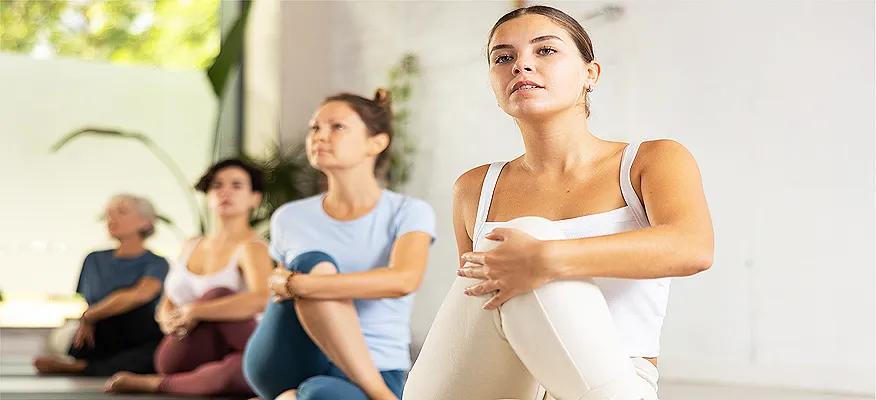
Despite our best efforts to lead healthy, active lives, many women grapple with period pain or cramps, which can range from mild discomfort to severe pain. It's as if our bodies decide to go on a sort of strike every month, causing us to put a pause on our regular routines.
But what if we told you there's a way to stay active, even during this time? What if we told you that there are exercises that can actually help in reducing period pain? Yes! Exercise during periods to reduce pain is not only possible but also beneficial. A cloud of disbelief, right?
Welcome aboard as we take you through some of the best exercises that can help you stay period pain-free and enhance your well-being, making periods more bearable and empowering you to carry on with your day-to-day activities unfazed.
How exercise helps relieve period pain
Period pain, medically referred to as dysmenorrhea, can be a significant setback in a woman's everyday life.
Exercise, however, can provide period cramp relief, making your menstrual cycle manageable and less disruptive.
Here's how physical activity helps:
1. Exercise releases endorphins
- Exercise releases endorphins, which are chemicals in your brain that act as natural painkillers.
- These endorphins interact with the receptors in your brain to reduce your perception of discomfort.
- When you exercise, the production and release of these "feel-good" substances increase, helping to ease period pain.
- This is one reason why exercise is often recommended as a way to reduce period pain effectively.
2. Exercise reduces period cramps
- Another way exercise helps to reduce period pain is through its effect on menstrual cramps.
- Cramps occur due to the release of substances called prostaglandins during menstruation, which cause muscle contractions in the uterus.
- These contractions can cause pain. Regular exercise can help reduce the level of prostaglandins, thereby reducing the intensity of cramps and making for a period pain-free experience.
3. Exercise lowers cortisol levels
- Cortisol is a hormone that is released during stress.
- Having high cortisol levels during your period can worsen discomfort and cause other symptoms like mood swings and cravings.
- Regular physical activity helps lower cortisol levels, leading to less severe period symptoms and promoting overall well-being.
Best exercises to relieve period pain
Incorporating specific exercises into your routine can help alleviate period pain by improving blood flow, reducing muscle tension, and promoting relaxation.
Below are some of the best exercises for relieving menstrual discomfort:
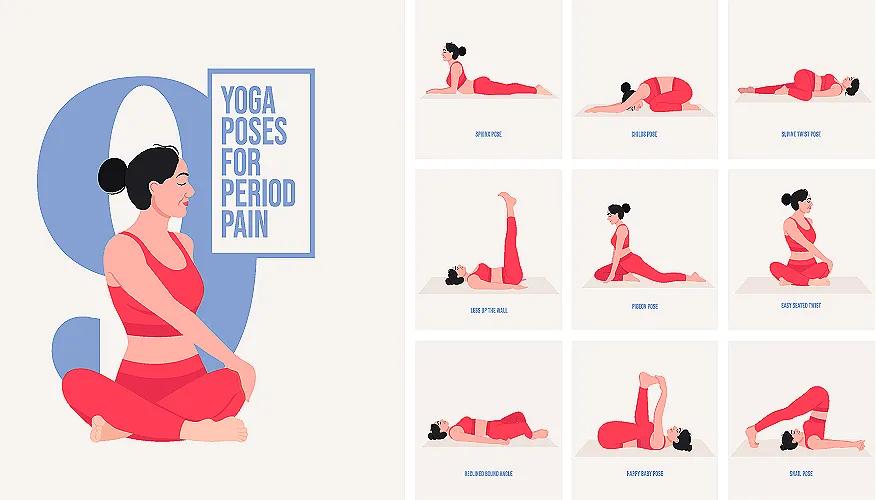
1. Light yoga stretches
Yoga stretches are a gentle way to ease tension in your body and can be especially effective for relieving menstrual discomfort.
Benefits:
- Reduces muscle tension.
- Promotes relaxation and flexibility.
- Eases menstrual cramps by improving blood circulation in the pelvic area.
Instructions:
- Child's pose (balasana): Start by kneeling on the floor, sit back on your heels, and stretch your arms forward while lowering your chest toward the ground. Hold for 30 seconds to 1 minute.
- Cat-cow pose (marjaryasana-bitilasana): Begin on your hands and knees. Inhale as you arch your back (cow), and exhale as you round your spine (cat). This gently stretches the lower back and releases tension in the pelvic area.
- Reclining butterfly pose (supta baddha konasana): Lie on your back and bring the soles of your feet together, letting your knees fall out to the sides. This opens the hips and can reduce cramps and discomfort.
2. Walking
Walking is a low-impact exercise that can be a great way to relieve period pain while boosting mood and energy levels.
Benefits:
- Low-impact exercise that promotes blood circulation without overexerting the body.
- Eases cramps by gently engaging the muscles.
- Enhances endorphin production, which helps alleviate pain.
Instructions:
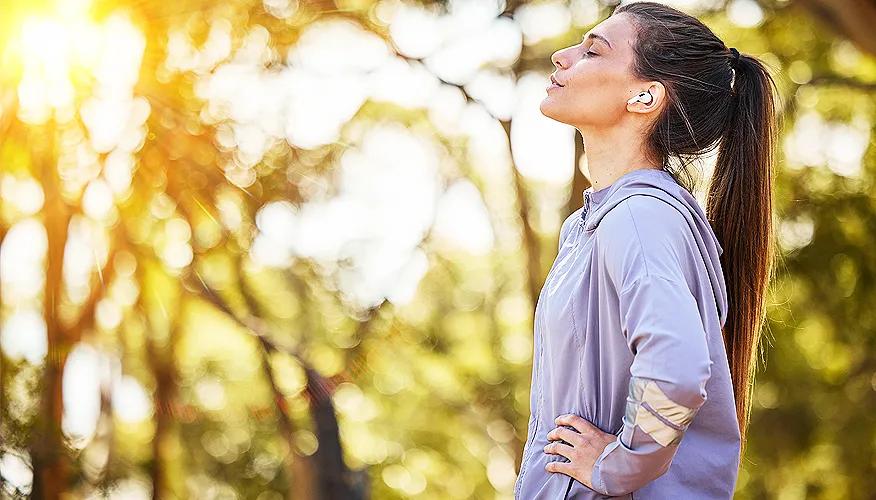
- Simply walk at a comfortable pace, aiming for 20-30 minutes at a time.
- Focus on deep breathing and maintaining good posture while walking to reduce tension in your back and pelvis.
- If possible, walk outdoors to benefit from fresh air, which can also boost your mood.
3. Pelvic tilts
Pelvic tilts specifically target the lower back and pelvic region, making them ideal for reducing period-related discomfort.
Benefits:
- Strengthens core muscles, which can alleviate back and pelvic pain.
- Improves pelvic alignment and posture, reducing pressure on the lower back.
- Relieves menstrual cramps by relaxing the pelvic muscles.
Instructions:
- Lie on your back with your knees bent and feet flat on the floor.
- Gently tilt your pelvis upward, engaging your core muscles, and press your lower back into the floor.
- Hold for 5 seconds, then relax. Repeat for 10-15 repetitions.
4. Low-impact aerobics
Low-impact aerobics provides a great way to stay active during your period without aggravating discomfort.
Benefits:
- Increases blood flow and circulation without putting too much stress on the body.
- Helps release endorphins, which improve mood and reduce pain sensitivity.
- Strengthens the cardiovascular system and promotes overall wellness.
Instructions:
- Try low-impact moves like stepping side to side, marching in place, or light jogging in place.
- Perform for 20-30 minutes at a moderate intensity.
- Aim to keep your movements controlled and fluid, avoiding any high-impact or jerky motions that may exacerbate discomfort.
5. Swimming
Swimming is a soothing, full-body exercise that can alleviate cramps while providing a refreshing way to exercise.
Benefits:
- Full-body, low-impact exercise that reduces stress and muscle tension.
- Relieves cramps by allowing the body to move freely and comfortably in the water.
- The buoyancy of the water helps reduce strain on the joints, making it ideal for periods of discomfort.
Instructions:
- Swim at a moderate pace, focusing on gentle strokes like backstroke or breaststroke, which can help relieve tension in the back and abdomen.
- Swim for 20-30 minutes, adjusting the pace based on how your body feels.
- If swimming isn't available, a warm bath with gentle stretching in the water can also be soothing.
6. Deep breathing exercises with gentle movements
Deep breathing exercises combined with gentle movements can be highly effective for calming the nervous system and relieving cramps.
Benefits:
- Reduces stress and anxiety by calming the nervous system.
- Helps relax the pelvic muscles and alleviate cramping.
- Enhances oxygen flow to the muscles, promoting better blood circulation.
Instructions:
- Sit or lie in a comfortable position. Inhale deeply through your nose for a count of four, hold for four seconds, then exhale slowly for a count of four.
- As you breathe deeply, you can add gentle movements like raising your arms as you inhale and lowering them as you exhale, or gently swaying side to side to release any tension in your body.
- Repeat for 5-10 minutes, focusing on your breath and letting go of any muscle tightness.
7. Stretching routines
Stretching is a simple but effective way to release muscle tension and reduce period-related aches, especially in the hips and lower back.
Benefits:
- Relieves tightness in the hips, back, and thighs, areas commonly affected during menstruation.
- Improves flexibility, which can ease discomfort and prevent stiffness.
- Relaxes the muscles and reduces the intensity of menstrual cramps.
Instructions:
- Hamstring stretch: Sit on the floor with one leg extended straight, and the other leg bent with the foot near your inner thigh. Reach forward with both hands toward the extended leg to stretch the back of the thigh. Hold for 20-30 seconds per leg.
- Hip flexor stretch: Step one foot forward into a lunge position, keeping your back leg straight and your hip tilted forward to stretch the hip flexor. Hold for 20-30 seconds per side.
Tips for exercising during your period
When exercising during periods to reduce pain, certain considerations can make your workout more comfortable and effective.
- Listen to your body: Overexertion doesn't always equal more benefits. Understand your limits and only push as much as you comfortably can.
- Stay hydrated: Drinking plenty of water before, during, and after exercise will prevent dehydration-induced fatigue and bloating.
- Wear comfortable clothing: Dress in breathable fabrics that allow movement without discomfort or restriction.
- Time it right: The best time to exercise is when you're at a low point of pain to ensure comfort and effectiveness during workouts.
Exercises to avoid during periods
While exercise is beneficial during periods, certain types of exercises might cause more harm than good.
- High-intensity workouts: Intense workouts can exacerbate fatigue, making you feel more drained during your period.
- Heavy weightlifting: Lifting heavy weights might put unnecessary strain on your abdominal muscles, which could increase period pain.
- Prolonged core exercises: While core strengthening exercises are generally beneficial, extensive sessions during periods might cause an increase in cramps.
Lifestyle tips for a pain-free period
Apart from exercise, certain lifestyle changes can also contribute to ease period pain.
- Balanced diet: Including anti-inflammatory foods such as fruits, vegetables, and nuts in your diet can help reduce inflammation and alleviate menstrual symptoms.
- Adequate rest: Getting enough sleep is crucial for your body to function well. Short naps throughout the day can also help manage fatigue during your period.
- Stress management: Practices like mindfulness or deep breathing exercises can ease tension and reduce stress, further helping in managing period discomfort.
Conclusion
Your period pain doesn’t have to put your life — or your movement — on pause. In fact, the right exercises can be your greatest ally in easing cramps, boosting mood, and keeping you energized through those tougher days.
Whether it’s a gentle yoga flow, a calming walk, or light stretching, staying active is a way of saying yes to your body and all the incredible things it does. So listen to what it needs, move with kindness, and remember—every small effort adds up to a stronger, more pain-free you.
Staying active during your period can significantly ease period pain and enhance your overall well-being. By choosing the right exercises and maintaining a healthy lifestyle, you can ensure a more comfortable and manageable menstrual experience.
Your cycle is a part of you, not a limitation. Let movement be your secret superpower.
Meet our expert
.webp&w=1920&q=75)
Meet our expert
She holds a Bachelor of Science (Hons) in Dietetics with Nutrition from International Medical University (IMU) and became a registered dietitian in 2025. She is dedicated to providing evidence based and individualized Medical Nutrition Therapy (MNT) to help individuals make informed health decisions.


How was the experience with article?
We'd love to know!