
PCOS (Polycystic ovarian syndrome) is a condition where reproductive hormones are out of balance. It affects 6% to 12% of women of reproductive age. The hormones that lead to this condition are:
- Androgens: In PCOS, higher androgens (male hormones) levels are in women’s bodies.
- Insulin: PCOS condition causes less sensitivity to insulin, thereby elevating blood sugar.
- Progesterone: In PCOS, there are decreased progesterone levels causing irregularity in the menstrual cycle.
This can lead to:
- Fertility issues
- Unpredictable menstrual cycle
- Acne and undesirable body and facial hair ( hirsutism)
- Diabetes and high blood pressure
The most common PCOS symptoms are:
- Missed, irregular, or prolonged periods.
- Hair loss or unwanted hair due to excess androgens
- Acne
- Darkened skin, skin tags on neck or armpits
- Mood swings
- Pelvic pain
- Weight gain around the waist
- Depression
Questions like How to deal with PCOS? What are PCOS recipes? Are there meals for PCOS weight loss? Are there any superfoods for PCOS? etc., might pop up in your mind and even cause worry. But fear not! We have your back!
PCOS can be managed with proper treatment. However, diet and exercise play a significant role in its management. PCOS diet recipes should be high protein, high fiber, anti-inflammatory, low fat, low sugar, low sodium, and most importantly, whole and fresh. Healthy food recipes are a must for fighting battles against menstrual problems.
So, what are the foods good for PCOS? It includes Omega-3 rich, olive oil, beans and legumes, non-starchy vegetables and fruits, healthy carbohydrates and low-fat dairy products in a balanced way. These foods act as foods for PCOS fertility, alleviate symptoms and prepare your body for a healthy pregnancy.

5 recipes that can help with PCOS
Here are five healthy recipes for PCOS that will help in its management.
Spinach curry with tofu
Spinach is a leafy green that is packed with nutrients. It is high in fiber, trace elements like magnesium, iron, phosphorous, manganese, and zinc, and loaded with vitamins like A, C, and K.
Protein is a crucial component in the fight against PCOS.
Tofu is good for PCOS and is a rich source of plant-based protein, and increases the nutritional value of this recipe.
Here’s how to go about making this Spinach Tofu Curry that is gluten-free. After all, this is a great PCOS meal idea that helps to prevent weight gain.
- Take a pan, add two tbs extra virgin olive oil and heat. Add cumin seeds and let them pop.
- Add one crushed cardamom, 8-9 cloves of minced garlic, two green chillies and one chopped onion. Saute this mixture until the onions become translucent.
- Add the blanched and pureed fresh spinach and mix everything well.
- Add salt to taste and adjust the consistency with water.
- Add 250g Tofu cubes and simmer for 5 minutes.
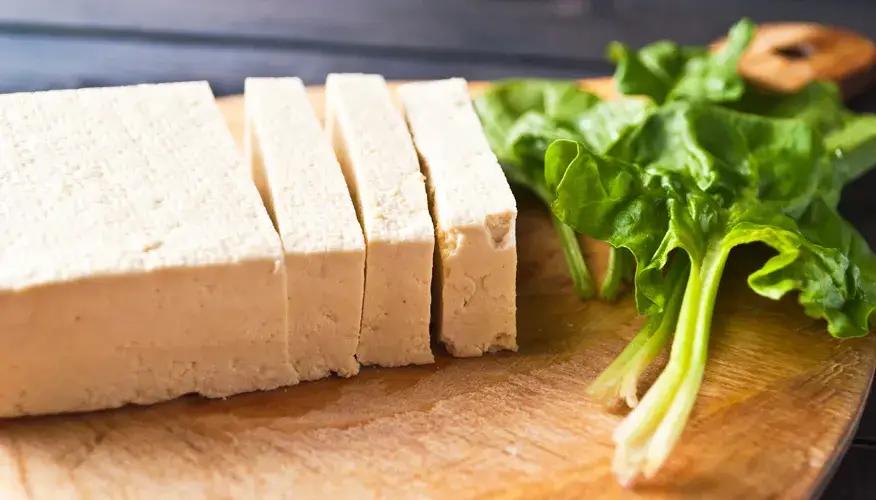
Your healthy and nutrient-packed spinach curry with tofu is ready. PCOS tofu recipes are best served with brown rice or whole-grain bread and are one of the best PCOS dinner recipes.
Pan-tossed broccoli with pumpkin seeds
Broccoli is one of the most nutritious vegetables packed with fiber, vitamins K, C, B12, folate, potassium, and manganese.
It is also rich in dietary fiber, which aids in regulating blood sugar levels and improves insulin sensitivity.
Vitamin C, beta-carotene and selenium in broccoli help reduce oxidative stress and inflammation in the body.
Broccoli contains a compound called indole-3-carbinol, which has been shown to help balance hormone levels in the body.
Pumpkin seeds are high in fiber, antioxidants, zinc, folate, magnesium, and many more nutrients.
Consuming these nutrients can ease PCOS symptoms in the long run. Healthy PCOS recipes improve overall health as well.
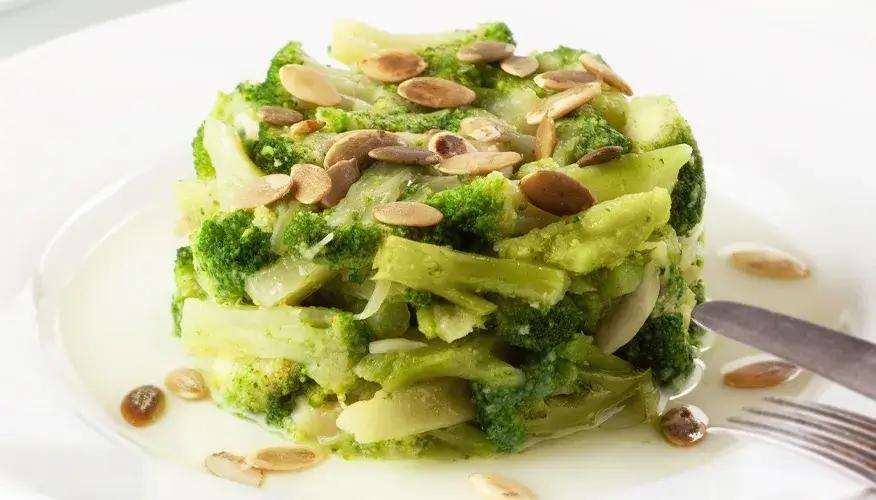
Here’s how to make this plant-based PCOS-friendly food!
- Add 1 tbsp olive oil, one tsp sesame seeds and a handful of pumpkin seeds to a pan. Toss them until they get slightly crispy and set them aside.
- Add 1 tbsp olive oil and toss the one small diced onion and chunks of fresh broccoli onto it. Saute for 3-5 minutes, and add salt and pepper to taste.
- Sprinkle the sesame seeds and pumpkin seeds on the broccoli and serve hot!
These recipes for PCOS are nutritious and easy to make. Do give it a try!
Raspberry cinnamon smoothie
Everyone loves smoothies! They allow us to incorporate nutrient-dense ingredients into a single, easy-to-consume beverage. But sometimes they can be sugar-loaded and not so healthy for us. To make PCOS smoothie recipes, we need to use our ingredients wisely.
- Raspberries are a good choice as they have a low glycemic index, which helps to manage blood sugar levels effectively.
- It is also rich in vitamin C and various phytochemicals that reduce oxidative stress and inflammation.
- Raspberries are packed with Potassium and omega- 3- fatty acids that are good for you.
- Cinnamon is an aromatic anti-inflammatory agent with antioxidant properties. It is touted to have therapeutic properties as well.
This recipe is a perfect addition to your list of healthy meals for PCOS that will help you lose weight too.
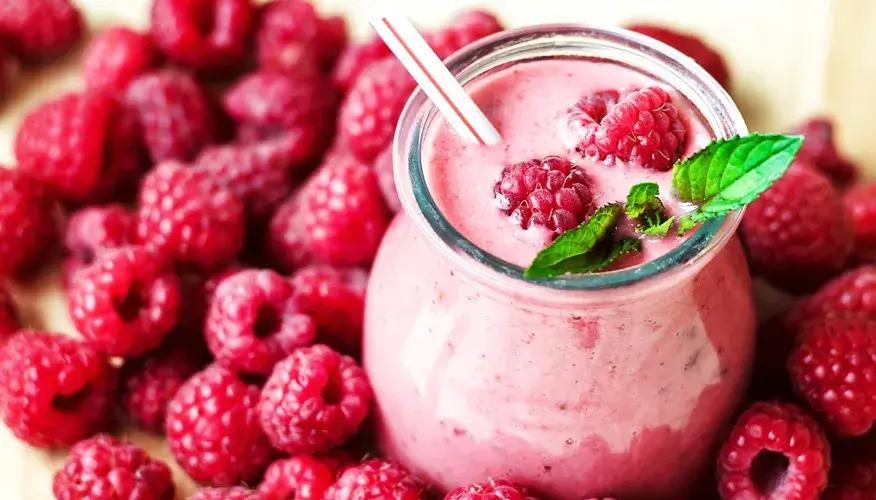
PCOS smoothie recipes can be made as follows:
- Blend 2 cups frozen raspberries, one scoop of plant-based vanilla protein powder, one teaspoon of cinnamon powder and 1 cup of coconut milk in a blender.
- Serve this anti-inflammatory smoothie fresh!
Legume bowl
Legumes are superfoods for PCOS.
- Legumes such as beans, lentils, chickpeas, and peas are healthy whole foods that can enrich our diet and health.
- They are a rich source of plant-based proteins, fiber, vitamin B12, iron, folate etc.
- Fibers aid in managing insulin resistance, weight management, and reducing the risk of developing type 2 diabetes.
- Legumes contain phytoestrogens that help regulate hormonal activity.
- The low glycemic index of legumes makes them excellent for managing sugar levels.
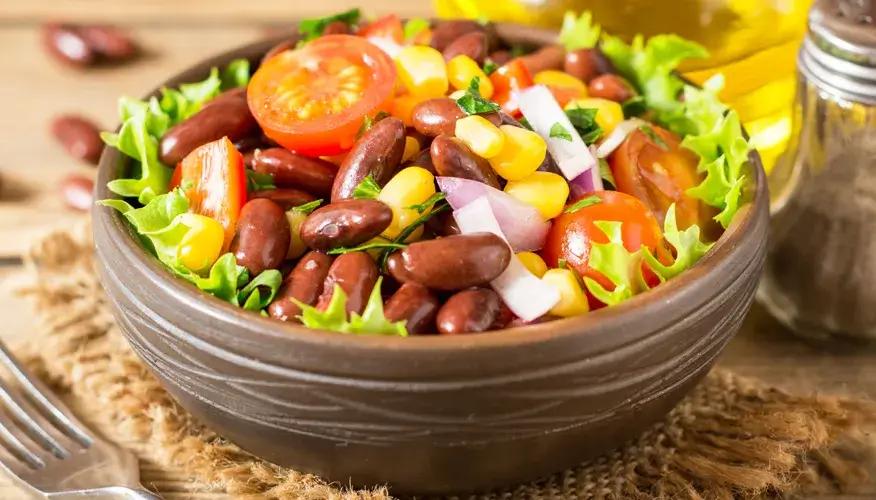
Here’s the recipe for a legume bowl:
- In a large bowl, combine all the boiled and cooled legumes of your choice, soaked and boiled-red beans, chickpeas, black-eyed peas, fava beans, kidney beans, mung beans, yellow split lentils, whole red lentils, green lentils, etc.
- Add chopped onion, one large tomato, and chopped coriander leaves and toss them well.
- Add the juice of one lime, salt, black pepper and mango powder (optional) to taste and combine it well.
Serve as a salad, main dish, or snack by adjusting the proportions of legumes and veggies in it. Serve fresh!
Yogurt walnut pudding
- Nuts are a great source of fiber, good fats, Vitamin E, and trace elements.
- Walnuts have the right balance of mono-unsaturated fats and omega-3 fatty acids. Omega-3 fatty acids have been linked to improved hormonal balance, reduced inflammation, and improved insulin sensitivity.
- Also rich in dietary fiber.
- Yogurt contains probiotics that maintain a healthy gut microbiome and may indirectly influence hormonal balance.
- Yogurt is a good source of protein and has a low glycemic index which benefits PCOS.
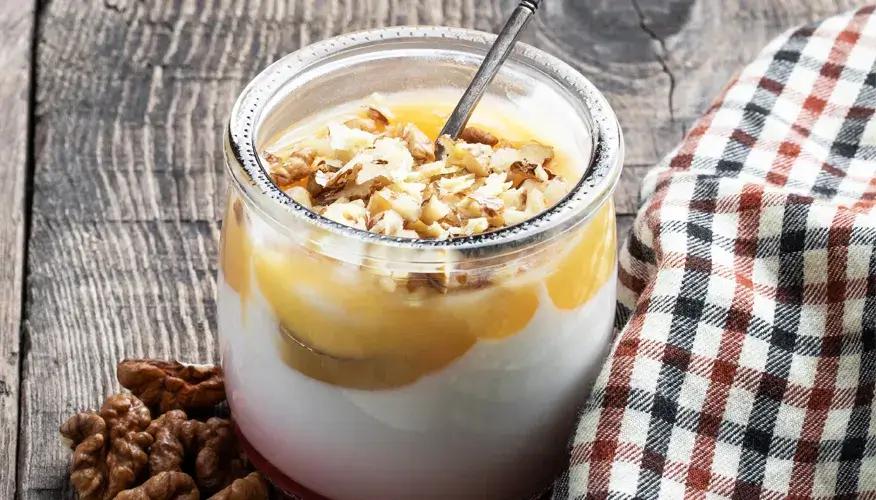
Here’s how to make this yogurt walnut pudding:
- Add low-fat yogurt, the best yogurt for PCOS into a transparent glass.
- Top it with some chunks of shell-free walnuts and drizzle it with some honey and coconut shavings.
- Add some yogurt on top of it and repeat the steps three times to create alternating layers of yogurt and walnuts.
- Chill in the refrigerator for an hour and allow it to set.
- Garnish with crushed walnuts, honey and serve.
Enjoy this tasty yogurt for PCOS as breakfast or as a snack.
ENAT
Conclusion
Good foods for PCOS can encourage a healthy lifestyle essential for battling PCOS. Remember to focus on a balanced diet that includes a range of nutrient-dense foods, including fruits, vegetables, lean proteins, whole grains, and healthy fats.
If you have any food allergies or any underlying health conditions, it is best to consult a dietician who can tailor PCOS food recipes to your needs.
Keep in mind the foods to avoid with PCOS too. Try out these PCOS recipes for yourselves and feel the difference!
Meet our expert

Meet our expert
Deborah Onoja, a dedicated Registered Nutritionist-Dietitian, holds a Bachelor's degree in Nutrition & Dietetics from the Federal University of Agriculture, Abeokuta. She furthered her expertise with a Master's degree in Clinical Nutrition and Diet Therapy from the University of Ibadan.


How was the experience with article?
We'd love to know!