
Are you surprised you got your periods ‘very light’? Wondering where did the usual ‘massive flow’ go? You are not alone, the unpredictability of the flow often gets many in a dilemma.
A period comes when the lining of your uterus sheds through your cervix and vagina, generally every month, every 21 to 35 days ranging between two and seven days. According to the NHS, you can lose between 20 to 90ml (about one to five tablespoons) of blood during your period.
If your period is suddenly shorter in flow or duration compared to your usual menstrual pattern, it’s considered “light”. Several factors can contribute to this change from lifestyle changes to medical conditions.
Let us understand more about the light period, possible causes, how to identify them, and when to contact a doctor.
What is a light period?
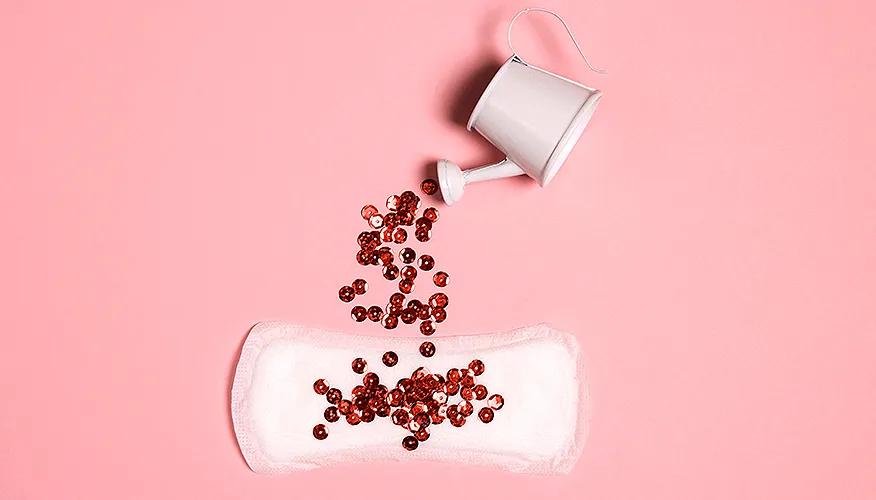
Every woman is different and your experience of period also differs. Periods can change from heavy to light from month to month. Light period also known as hypomenorrhea, indicates your health and habits.
According to the International Federation of Gynecology and Obstetrics (FIGO), a light period is when there is less than 5 milliliters of blood loss. You can significantly understand the decreased flow and may even get confused about it for ‘spotting’ which might only last 1-2 days. The blood flow might be so light that a panty liner is enough instead of a pad or tampon.
Some common causes of light menses include changes in weight, thyroid issues, perimenopause, stress, contraception, pregnancy, breastfeeding, polycystic ovary syndrome (PCOS), etc. A healthcare professional can help determine if a light period is a cause for concern by considering your medical history, conducting a physical examination, and ordering blood tests or ultrasounds.
What are the causes of light periods?
Out of the blue, it may be worrisome if you experience a light period. You tend to guess what is wrong with your body. Here we discuss potential causes of light periods that can ease your worry.
Stress
- Stress can block the release of hormones necessary for normal menstrual periods.
- The high levels of stress increase the production of cortisol, the stress hormone, and can cause a disruption in the way your body normally functions and menstruates.
- Once a stressful event passes, your periods may return to normal.
- Taking effective steps to manage stress can restore the menstrual cycle.
Weight and diet
- Sudden weight loss or gain can impact menstrual cycles.
- Storing more fat in your body can affect your hormone levels, also losing weight by restricting calories causes low body fat leading to lighter periods.
- If the body fat level becomes too low it can also stop ovulation.
- Intense physical activity can also decrease body fat and affect hormone levels, leading to lighter periods.
- Eating disorders impact periods significantly through hypothalamic suppression and disrupt the secretion of the hormones that lead to the production of estrogen and the production of the hormones that stimulate ovulation and progesterone.
Age
- You may experience lighter or less bleeding during perimenopause -the time before menopause, due to hormonal imbalances.
- As you approach your mid-30s to early 40s, your ovaries begin to show their age and one of these symptoms could be lighter than usual periods.
- Changes in menstrual flow can occur as you get older. You have fewer functional eggs and subsequently less estrogen.
Hormonal Contraceptives
- If you are on a birth control pill, you can experience issues with your regular flow.
- Some birth control methods prevent an egg from releasing in your body and your uterus does not create a thick lining, which can result in lighter periods or skipped periods.
- All hormonal birth control methods including patches, rings, shots, implants, and hormonal IUDs cause the lining of the uterus to thin resulting in a lighter menstrual flow.
Polycystic ovary syndrome (PCOS)
- PCOS is a medical condition in women of reproductive age where an imbalance in reproductive hormones due to the overproduction of androgens, the male sex hormones by the ovaries.
- The imbalance of hormones can lead to irregular ovulation and periods, including painful and heavy bleeds, and shorter or lighter-than-usual periods.
Implantation bleeding
- Implantation bleeding occurs during the early part of pregnancy when the embryo attaches to the uterus.
- Light bleeding or spotting might be mistaken for a light period.
- It usually lasts for two days or less.
- You can easily do a pregnancy test and find out if it is implantation bleeding.
Breastfeeding/ Lactational Amenorrhea
- If you are a nursing mama, there will be an increased production of oxytocin, which stimulates milk production from the breasts.
- It suppresses the production of the hormones that cause ovulation and produce progesterone and also decreases the hormones that signal estrogen production.
- All these events thin out the uterus lining and there is only light bleeding or none.
Thyroid Disorders
- An overactive thyroid or hyperthyroidism produces too many thyroid hormones that can cause abnormally light periods or missing periods.
- Consult a healthcare provider to check if you have thyroid-related issues.
Asherman syndrome
- Asherman syndrome is a rare condition that happens when scar tissue forms inside the uterus or cervix and can cause light periods.
- It occurs in women who have had multiple dilation and curettage (D&C) procedures, used to empty the uterus following a miscarriage, as an abortion method, and to treat certain gynecological conditions.
- You will have a light or shorter cycle because only the area of the uterus without scarring is capable of bleeding. More scarring, less bleeding will occur, and the lighter the period.
Symptoms of a light period
Most menstrual periods consist of about 2–3 tablespoons of blood. Hypomenorrhea is characterized by menstrual bleeding that is less than normal.
Below are the symptoms that you should watch out for:
Reduced Blood Flow:
- There is no usual heavy flow for the first 1–2 days but a light flow.
- You may need fewer sanitary products (pads, tampons, menstrual cups) than usual.
Shorter Duration:
- The bleeding resembles spotting over a few days instead of a steady flow.
- It might last 1-2 days instead of 3-7 days of flow.
Light color:
- The color of the blood might be lighter, often appearing pinkish or brownish rather than the usual red.
Risk factors for light period
We have already discussed the causes of light periods. Let us now check the common risk factors for the light period.
- Women of any age can be at risk for light periods. However young women may experience lighter periods as their bodies adjust to new hormonal cycles. Also, women in the perimenopause stage can have hormonal fluctuations which can lead to lighter and less regular periods.
- High stress in your life can affect the hormone levels in the body and decrease flow.
- Certain reproductive conditions, such as PCOS, hypothyroidism, and hyperthyroidism can affect hormone levels and menstrual flow.
- A sedentary lifestyle and weight gain can also threaten regular flow.
- Intense physical activity, especially in athletes, can lead to lower body fat and affect hormonal balance, resulting in lighter periods.
- Inadequate nutrition or specific nutrient deficiencies (e.g., iron) can lead to lighter periods.
When should you see a doctor?

The occasional light bleeding is rarely something to worry about, but if it becomes a pattern get it checked out. Take a note in your diary, period tracker app, or period calendar of the below points to know if you need a visit to your gynecologist.
- Your light period is accompanied by persistent pain, abnormal discharge, or extreme fatigue.
- You have consistently light periods or start skipping periods altogether.
- Or missing a cycle every month or consistently going more than 35 days between periods and is not pregnant.
- It coincides with other symptoms that are causing concern, such as pelvic pain.
A healthcare professional can help determine the cause through medical history, physical examinations, and possibly further testing such as blood tests or ultrasounds.
Treatment for a Light Period
Light periods can occur as you age. If your light periods persist or you experience any concerning symptoms, you may need further treatment. Identifying the underlying cause is crucial for appropriate management and treatment.
- The treatment may include adjusting hormonal contraception, weight management, stress reduction, or addressing thyroid disorders, PCOS and in rare cases, surgery may be required to correct uterine scarring.
- Lifestyle changes such as ensuring a balanced diet rich in essential nutrients and addressing eating disorders, can improve menstrual health. Consult a nutritionist for the same.
- Moderating activity levels can help restore regular menstrual flow if excessive exercise is a factor.
- Moderate regular exercise and practicing mindfulness, meditation, yoga, and counseling can help reduce stress and normalize menstrual cycles.
- If anemia is a cause, doctors may prescribe iron supplements. Consuming vitamin C can also aid in iron absorption.
- Addressing deficiencies in other nutrients (e.g., vitamin D, B vitamins) may be necessary.
Conclusion
In most cases having a light period shouldn’t be a threat. As you age hormonal changes happen in your body. Also, your diet, exercise, birth control pills, and health conditions can cause a light period. However, if you observe any discharge or have pain it’s a must visit to your gynecologist.
Your body is your temple. Listen to it, and if you feel there’s something off and needs addressing, book your appointment now!
Meet our expert

Meet our expert
Reshma Kulkarni-Pathare is a senior Indian media professional since 1999. She has written for over 45 national and international publications, including The Times of India, Femina, and BBC Good Homes.



How was the experience with article?
We'd love to know!