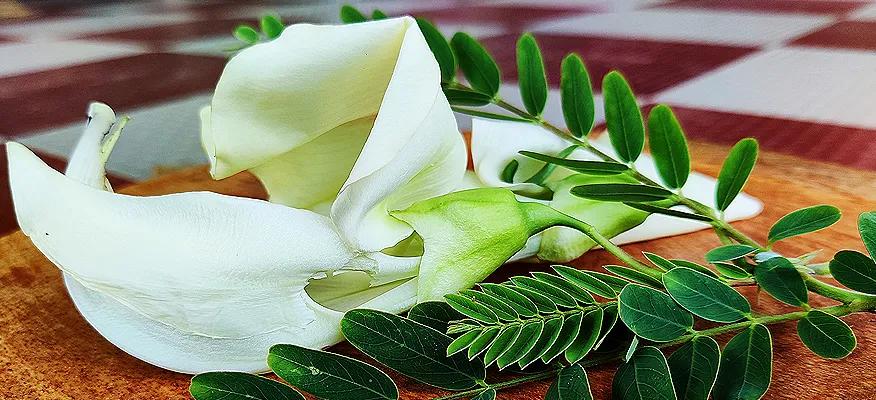
Agathi Keerai, scientifically known as Sesbania grandiflora, is a leafy green vegetable native to South and Southeast Asia. Rich in vitamins A, C, calcium, and protein, it offers powerful antioxidant, anti-inflammatory, and immune-boosting benefits. Widely used in traditional medicine and cuisine, Agathi Keerai supports bone health, diabetes management, and skin healing.
In many Southeast Asian kitchens and East African markets, there’s a leafy green often overlooked but packed with incredible health benefits — Agathi Keerai (Sesbania grandiflora). Known for its vibrant green leaves and delicate, fragrant flowers, Agathi Keerai has been a traditional staple in home-cooked meals and herbal remedies for generations.
From local gardens to bustling markets, this nutrient-rich green is celebrated not only for its subtle flavor but also for its remarkable ability to support respiratory health, boost immunity, and nourish the body with vital vitamins and minerals. Whether tossed into curries, soups, or steamed as a side dish, Agathi Keerai is a natural powerhouse that’s easy to include in your daily diet.
This nutrient-dense plant not only enhances your meals with its unique flavors but also brings along a treasure trove of health benefits.
Whether you're looking for natural remedies or simply wish to boost your wellness, agathi keerai benefits might just be what you need.
What is Agathi Keerai?
Sesbania grandiflora, commonly known as Agathi Keerai or the vegetable hummingbird, is a small, fast-growing tree belonging to the Fabaceae family and Sesbania genus. It thrives in hot, humid climates and is native to countries such as India, the Philippines, Malaysia, and Indonesia, while also being widely cultivated in Mexico and the southwestern United States.
The tree goes by various local names, including agathi in Tamil, avisa in Telugu, and agase in Kannada. Globally, it is also referred to as Flamingo Bill, Katuday, Katurai, So Dua, and Paloma in different regions.
The tree produces long, flat, green bean-like fruits, round leaves, and flowers that range in color from yellow, white, and blue to red. Both the red and white flowers are edible and commonly used as vegetables, while the yellow and blue flowers are mainly utilized in traditional medicine. Notably, the red-flowered varieties are richer in phenolic compounds, making them more nutritious, whereas the white flowers are preferred for their milder, less bitter taste.
Every part of the Sesbania grandiflora tree has medicinal value and is widely used in Ayurvedic medicine. Agathi Keerai leaves are excellent sources of vitamin A, calcium, and phosphorus, essential nutrients that support bone health and immunity. Ayurveda highly recommends these leaves as a natural dietary aid to strengthen bones and enhance the immune system.
In Indian households, especially in Tamil Nadu, Agathi Keerai is a popular green used in traditional recipes like keerai poriyal or keerai kootu. It’s also highly valued in Ayurveda and Siddha medicine for its detoxifying, cooling, and healing effects on the body.
Agathi Keerai is packed with calcium, iron, fiber, vitamin A, vitamin C, and antioxidants, making it a superfood that supports a wide range of health benefits—from boosting immunity to strengthening bones and improving digestion.
In addition to the leaves, the pods, young flowers, and seeds of Agathi Keerai are edible and incorporated into many cuisines due to their rich nutrient profile. Traditional medicine uses the plant to treat conditions such as diarrhea, dysentery, microbial infections, and inflammation, reflecting its versatile therapeutic properties.
Nutritional Value of Agathi Keerai
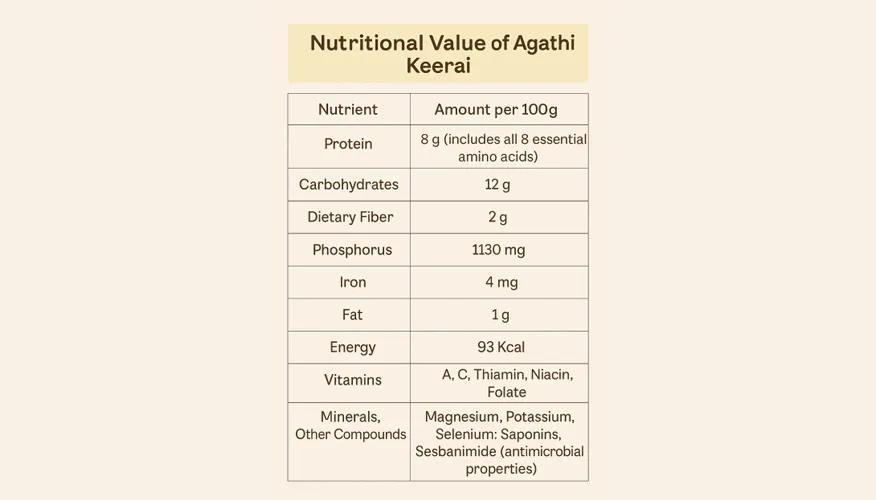
When it comes to green leafy vegetables, Agathi Keerai stands out for its rich and impressive nutritional profile. Every 100 grams of Agathi leaves contains approximately 8 grams of protein, including all eight essential amino acids required by the body. It also provides 12 grams of carbohydrates, 2 grams of dietary fiber, 1 gram of fat, and an energy value of about 93 kcal.
Agathi Keerai is exceptionally rich in calcium with around 1130 mg per 100 grams, supporting strong bones and teeth. It also contains 80 mg of phosphorus and 4 mg of iron, essential for bone health and oxygen transport in the blood.
In addition to macronutrients, the leaves and flowers are loaded with vital vitamins such as vitamin A, vitamin C, thiamin, niacin, and folate. Important minerals like magnesium, potassium, and selenium are also abundant, contributing to various bodily functions including metabolism, muscle function, and antioxidant defense.
Furthermore, Agathi Keerai contains bioactive compounds like saponins and sesbanimide, which provide powerful antimicrobial properties. These antioxidants and phytochemicals not only enhance the plant’s nutritional value but also support detoxification and protect the body from harmful pathogens.
Thanks to this diverse nutrient content, Agathi Keerai is a highly beneficial leafy vegetable that nourishes the body, supports immunity, promotes bone strength, and contributes to overall health and wellness.
Top Health Benefits of Agathi Keerai (Sesbania Grandiflora)
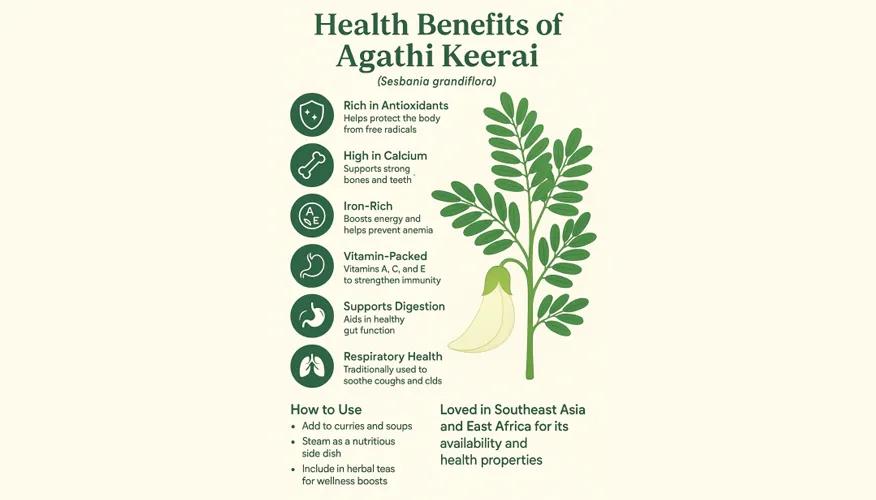
Agathi Keerai, also known as Sesbania Grandiflora or Hummingbird Tree Leaves, is a powerhouse of nutrients traditionally used in South Indian cooking and Ayurvedic medicine. These nutrient-rich greens are packed with health-enhancing properties that support immunity, digestion, skin health, and much more. Here are some of the top health benefits of Agathi Keerai:
1. Agathi Keerai Boosts Immunity and Detoxification
Agathi Keerai is rich in antioxidants like flavonoids, zinc, selenium, and magnesium that help protect your cells from free radical damage. These compounds support immune function, reduce oxidative stress, and protect DNA from cellular damage. Agathi Keerai also improves mineral balance in the body while aiding in detoxifying the liver and cleansing the blood naturally.
2. Agathi Keerai Offers Strong Antimicrobial Properties
Agathi Keerai contains cysteine-rich compounds and saponins that provide significant antimicrobial activity. These compounds help fight off bacteria such as E. coli and Staphylococcus aureus, fungi like Candida albicans and Aspergillus niger, and even show anti-tuberculosis activity against Mycobacterium tuberculosis. These effects make Agathi Keerai a natural immune protector.
3. Agathi Keerai Helps in Managing Diabetes
Regular consumption of Agathi Keerai supports blood sugar regulation. It helps repair damaged pancreatic cells, enhances insulin function, and brings down blood glucose spikes. In addition, Agathi Keerai improves lipid profiles by lowering bad cholesterol and triglyceride levels, and it may even help stabilize HbA1c levels in diabetic patients.
4. Agathi Keerai May Prevent Cancer
The powerful antioxidants found in Agathi Keerai inhibit lipid peroxidation and prevent the growth of cancerous cells. Extracts from its flowers have shown the ability to trigger apoptosis (natural cell death) in lung and colon cancer cells, making Agathi Keerai a supportive food for cancer prevention and overall cellular health.
5. Agathi Keerai Supports Bone Strength
Loaded with calcium, iron, phosphorus, and vitamins, Agathi Keerai is excellent for bone health. These nutrients help improve bone mineral density, strengthen the skeletal structure, and reduce the risk of conditions like osteoporosis and arthritis, especially in older adults.
6. Agathi Keerai Improves Skin Health
Agathi Keerai is beneficial for your skin, whether consumed or applied topically. Its anti-inflammatory and antioxidant properties help reduce acne, redness, and irritation. The flavonoids protect the skin from oxidative stress, preventing premature aging, fine lines, and dullness. It also promotes faster wound healing and skin hydration, making it an ideal natural remedy for skin care.
7. Agathi Keerai Supports Liver and Kidney Health
Agathi Keerai acts as a natural detoxifier for major organs such as the liver and kidneys. Its bioactive compounds help reduce inflammation, protect against oxidative damage, and improve the natural detox functions of these vital organs. Regular consumption can promote better metabolic health and reduce toxin buildup in the body.
8. Agathi Keerai Relieves Constipation and Aids Digestion
Agathi Keerai contains high levels of dietary fiber and natural laxatives that aid in digestion and relieve constipation. It supports smoother bowel movements, eases bloating, and promotes overall gut health, making it beneficial for individuals with digestive issues.
9. Agathi Keerai Regulates Menstrual Health
Traditionally used in Ayurveda, Agathi Keerai helps regulate the menstrual cycle and supports hormonal balance. It may ease menstrual discomfort, cramps, and irregularities, making it a valuable leafy green for women’s reproductive health.
10. Agathi Keerai Reduces Body Heat Naturally
Agathi Keerai is known for its cooling properties that help reduce body heat. Especially in tropical climates or during summer, including Agathi Keerai in your diet can prevent heat-related issues such as ulcers, rashes, or internal inflammation.
11. Anti-Inflammatory Support for Organs and Skin
Agathi Keerai’s anti-inflammatory properties help reduce internal inflammation, supporting better organ health, especially in the liver, kidneys, and digestive tract. This makes it valuable in managing chronic inflammation-related conditions.
12. Agathi Keerai Improves Eye Health
Agathi Keerai is a rich source of vitamin A and beta-carotene, which are essential for maintaining good vision. Regular intake may help prevent night blindness, dry eyes, and other age-related eye disorders.
13. Agathi Keerai Enhances Mental Well-being
Thanks to its magnesium, folate, and antioxidants, Agathi Keerai supports nervous system health. It may help reduce anxiety, improve mood, and enhance mental clarity. The plant's natural calming effect is also valued in Ayurvedic medicine for easing mental stress.
14. Agathi Keerai Boosts Energy and Reduces Fatigue
The high iron content in Agathi Keerai helps prevent anemia and boosts red blood cell production. This enhances oxygen supply to the body’s tissues, reducing fatigue and promoting better energy levels.
15. Agathi Keerai May Support Heart Health
Agathi Keerai’s ability to reduce cholesterol and improve lipid profiles supports cardiovascular wellness. Its antioxidants and anti-inflammatory properties may help maintain healthy blood vessels and reduce the risk of heart disease.
16. Agathi Keerai Heals Mouth Ulcers
Traditionally, Agathi Keerai is used to treat mouth ulcers and throat inflammation. The leaves’ cooling and anti-inflammatory effects make them an excellent home remedy for soothing oral discomfort.
17. Agathi Keerai Improves Hair Health
The iron, calcium, and antioxidants in Agathi Keerai nourish hair follicles, support scalp circulation, and reduce hair fall. It may also help in managing dandruff and promoting stronger, shinier hair when used in diet or as a herbal rinse.
18. Agathi Keerai Acts as a Mild Sedative
In folk medicine, Agathi Keerai is believed to have a natural sedative effect, helping improve sleep quality and reduce restlessness. This makes it a gentle remedy for those suffering from insomnia or disturbed sleep patterns.
19. Agathi Keerai Supports Lactation in Mothers
In some cultures, Agathi Keerai is recommended to lactating mothers as it helps boost breast milk production due to its rich nutritional profile. However, it should be consumed in moderation and under guidance.
20. Agathi Keerai Supports Respiratory Health
Agathi Keerai has been used in traditional remedies to relieve respiratory issues such as asthma, bronchitis, and chronic cough. Its anti-inflammatory and antimicrobial properties help soothe the airways and clear respiratory infections.
21. Agathi Keerai Supports Respiratory Health
Agathi Keerai has been used in traditional remedies to relieve respiratory issues such as asthma, bronchitis, and chronic cough. Its anti-inflammatory and antimicrobial properties help soothe the airways and clear respiratory infections.
22. Agathi Keerai Promotes Healthy Aging
Due to its abundance of antioxidants like flavonoids, vitamin C, and polyphenols, Agathi Keerai combats oxidative stress, one of the leading causes of premature aging. It helps maintain youthful skin, strong organs, and a sharp mind.
23. Agathi Keerai Aids in Weight Management
Agathi Keerai is low in calories and high in fiber, making it a great addition to weight-loss diets. It helps improve satiety, reduce cravings, and support healthy digestion—all of which contribute to better weight control.
24. Agathi Keerai May Support Blood Purification
Traditionally, Agathi Keerai has been used to cleanse the blood. Its detoxifying nature helps flush out toxins and impurities from the bloodstream, promoting clear skin and better organ function.
25. Agathi Keerai Supports Gut Microbiome Balance
The natural fiber and prebiotic compounds in Agathi Keerai help nourish beneficial gut bacteria, contributing to improved digestion, stronger immunity, and better nutrient absorption.
26. Agathi Keerai May Help Ease Fever and Infections
In folk remedies, Agathi Keerai is sometimes used to bring down fevers and fight minor infections. Its antibacterial, antifungal, and anti-inflammatory properties offer a natural approach to supporting recovery.
27. Agathi Keerai Enhances Wound Healing
When applied externally as a paste, Agathi Keerai leaves can accelerate wound healing and soothe skin irritations. Its antimicrobial nature helps prevent infections in cuts, burns, and ulcers.
28. Agathi Keerai Supports Hormonal Balance
Thanks to its role in improving liver function and providing key micronutrients, Agathi Keerai may help regulate hormonal activity—particularly useful for women facing PMS, PCOS, or menopausal symptoms.
How to Use Agathi Keerai?
Agathi Keerai is a versatile leafy green that can be enjoyed in many ways to harness its nutritional and health benefits. Here are some popular methods to incorporate Agathi Keerai into your diet and daily routine:
1. Culinary Uses of Agathi Keerai
Native to Southeast Asia, Agathi Keerai plays an important role in the traditional cuisines of Thailand, Indonesia, Malaysia, the Philippines, and Cambodia. Its leaves and flowers are used both raw and cooked in a variety of flavorful dishes:
- In Thailand, the edible flowers, known as dok khae, are used raw or blanched in spicy chili dips called nam phrik, or cooked into tangy sour curries like kaeng som and kaeng khae.
- In Malaysia and Indonesia, Agathi Keerai leaves are often stir-fried with coconut milk, sweet potatoes, and bird’s eye chilies, while the flowers are prepared as crispy fritters.
- In the Philippines, the flowers (called katuray) are added to fresh salads, hearty stews, or cooked in soups flavored with vinegar and ginger.
- In Cambodia, Agathi flowers are a traditional ingredient used especially during festivals such as Bon Om Touk, commonly paired with fish-based dishes.
2. Common Cooking Methods
Agathi Keerai leaves and stems can be sautéed with spices or incorporated into soups, stews, and curries. The leaves’ mild flavor and tender texture make them a perfect addition to a variety of meals. Additionally, the leaves and flowers can be brewed into herbal teas or blended into nutrient-rich smoothies and juices.
3. Ayurvedic Uses of Agathi Keerai
Agathi Keerai holds significant value in Ayurveda, where its leaves, flowers, and bark are used to treat various ailments:
- The leaves are known for their anthelmintic (anti-worm), diuretic, and laxative properties and are used to alleviate migraines, sinusitis, fever, and respiratory issues.
- The flowers are traditionally used to relieve headaches, night blindness, and cataracts.
- The bark of the tree is employed in managing diarrhea, gonorrhea, malaria, and smallpox.
- From a dosha perspective, Agathi leaves are said to aggravate Pitta dosha, help calm Vata dosha, and reduce excess Kapha dosha, supporting balance in the body’s energy systems.
How to prepare Agathi Keerai?
Agathi keerai evidently holds value in Southeast Asian cuisine. It is an adaptable leafy green that can be used in many preparations. Here are some dishes to which agathi keerai can be added:
- Thai Kaeng Khae-Inspired Curry: Blanch the flowers to reduce their bitterness, then simmer them in vegetable stock with bamboo shoots, eggplant, and herbs like lemongrass and kaffir lime leaves.
- Malaysian Coconut Milk Stew: Cook the leaves with sweet potatoes, bird’s eye chilies, shallots, and garlic. Add coconut milk and season with salt.
- Indonesian Stir-Fry: Sauté the leaves with garlic, shallots, and sambal (chili paste). Add grated coconut for added flavor and texture.
How to grow Agathi Keerai?
- Agathi Keerai thrives in hot, humid climates and grows rapidly reaching 8-10 meters within 3-4 years.
- This tree demands full exposure to sunlight and is sensitive to frost which makes it perfect for the tropical and subtropical climates of Southeast Asia and parts of East Africa.
- Despite its preference for fertile, moist, well-drained soils, it can adapt to a range of soil conditions.
- It can be propagated from seeds or cuttings. The plant requires regular watering but is otherwise low maintenance, making it a suitable plant for home gardens and sustainable agriculture in both urban and semi-urban settings.
Side effects and Precautions of Agathi Keerai
- While agathi keerai benefits are numerous, excessive consumption can sometimes lead to digestive discomfort due to its high fiber content.
- Individuals with certain sensitivities or pre-existing health conditions should consult a healthcare provider before significantly increasing their intake of this leafy green.
Conclusion
Thanks to agathi keerai benefits, this leafy green has carved out its place in the world as a valuable nutritional resource that has been utilized for generations across South and Southeast Asia. Its rich nutritional profile and potential health benefits make it an important addition to diets where it grows naturally.
On top of that, its versatility in culinary applications highlights its importance as both a food source and a traditional medicinal plant. For communities in Southeast Asia, agathi keerai could be the perfect addition to improve nutrition and support various aspects of health and wellbeing.
Meet our expert

Meet our expert
Song has been practising as a nutritionist with more than 12 years of experience. She
holds a Bachelor of Nutrition & Community Health with Distinction from University
Putra Malaysia and experience in conducting product training, giving health talk to the
public on health-related topic, and providing nutritional consultations to the customers.



How was the experience with article?
We'd love to know!