
Black grapes are small, dark-skinned fruits known for their rich flavor and impressive nutrient profile. Packed with powerful antioxidants like resveratrol and anthocyanins, they offer a wide range of health benefits. From supporting heart health to improving skin, digestion, and immunity, black grapes are a delicious way to boost overall wellness.
From the fruit markets of Thailand and Vietnam to the vineyards of Kenya and South Africa, black grapes are fast becoming more than just a juicy snack. Known for their deep color and natural sweetness, they’re also loaded with antioxidants and vital nutrients that make them a true superfruit. In regions like Southeast Asia, black grapes are popular in juices and desserts, while in East Africa, they're increasingly featured in health-conscious diets.
Whether you're sipping them in a smoothie or popping them as a midday treat, black grapes pack surprising benefits—from boosting heart health and immunity to supporting pregnancy and even offering protection against certain cancers.
In fact, they're so beneficial that they could give those fancy superfoods a run for their money.
So, why not take a break from your busy day and join me on this fascinating journey as we investigate what makes black grapes so special?
We’ll delve into the myriad health benefits of these sweet black grapes — from their role in cancer prevention to their potential to support pregnancy health.
Trust us, by the end of this eye-opening exploration, you'll see this familiar fruit in a new light. So, are you ready to discover the top health benefits of black grapes you should know? Here we go!

What are Black Grapes?
- Black grapes, often recognized by their scientific name Vitis vinifera, are one of the most popular fruits cultivated across the globe.
- Known for their sweet taste and rich nutritional profile, black grapes have been a favorite among fruit lovers for centuries.
- The soft and squishy texture of these dark-hued grapes, along with their unique flavor, makes them an excellent addition to various dishes.
- They are also consumed in their natural form as a refreshing and healthful snack.
- The color of these grapes ranges from deep purple to pitch black.
- While there are many black grape varieties, the black seedless grapes variant is particularly sought after. One reason for their popularity is the myriad of health benefits associated with these tasty fruits.
Sweet black grapes are not only delightful to eat but also bring a wealth of wellness advantages to the table, making them an invaluable part of a balanced diet.
Nutritional Profile of Black Grapes
The nutritional profile of black grapes is packed with essential vitamins and minerals, contributing to their health-promoting benefits. Here's the average content per 100 grams:
| Nutrient | Average Content |
|---|---|
| Energy | 65 kcal |
| Carbohydrates | 17.4 g |
| Fiber | 0.7 g |
| Sugars | 16.7 g |
| Calcium | 14 mg |
| Protein | 0.72 g |
| Potassium | 210 mg |
| Copper | 0.12 mg |
| Vitamin C | 10.9 mg |
| Vitamin A | 72 IU |
This nutritional breakdown showcases why the consumption of black grapes can be beneficial for maintaining good health.
Top Health Benefits of Black Grapes

Black grapes are not just delicious and juicy; they are also packed with essential nutrients that can support your overall health. Rich in antioxidants, vitamins, and natural plant compounds, black grapes offer several benefits when included in your daily diet. Here’s a look at the key health benefits of black grapes:
1. Black Grapes Are Delicious and Nutritious
Black grapes are not only delicious but also packed with essential nutrients that benefit your overall health. A one-cup serving (138 grams) of seedless black grapes provides around 90 calories, 24 grams of carbohydrates, 1 gram of fiber, 1 gram of protein, and 1 gram of fat. They are an excellent source of vitamin C (17% of the Daily Value) and vitamin A (11% of the DV), along with small amounts of iron (2% of the DV). These nutrients support immune function, collagen production, vision, and cell growth. As a fruit mainly composed of carbs, black grapes are an energy-boosting snack that's both tasty and beneficial for health.
2. Black Grapes Are Packed with Antioxidants
Black grapes are rich in antioxidants that help combat oxidative stress, a process linked to aging and chronic diseases. The primary antioxidants in black grapes include polyphenols such as anthocyanins and resveratrol, which are known for their anti-aging, anti-inflammatory, and anti-cancer properties. Most of these antioxidants are concentrated in the grape skin and seeds, including compounds like catechins, epicatechins, and gallic acid. These powerful nutrients neutralize harmful free radicals and help protect your body’s cells from damage.
3. Black Grapes May Support Heart Health
The antioxidants found in black grapes—especially anthocyanins and resveratrol—are known to benefit cardiovascular health. These compounds help reduce inflammation, improve blood vessel function, lower blood pressure, and decrease LDL (bad) cholesterol levels. They may also prevent atherosclerosis, the buildup of plaque in arteries, which is a major risk factor for heart disease and stroke. Regular consumption of black grapes can contribute to a healthier heart and reduced risk of cardiovascular complications.
4. Black Grapes May Provide Anti-Diabetic Effects
Black grapes may help manage blood sugar levels and improve insulin sensitivity thanks to their rich polyphenol content. Resveratrol in black grapes has been shown in test-tube and animal studies to activate sirtuin 1 (SIRT1), a protein that improves insulin function and reduces resistance. Additionally, some human studies suggest resveratrol may improve blood glucose control in individuals with type 2 diabetes. Although more research is needed, adding black grapes to your diet may support healthy blood sugar regulation.

5. Black Grapes May Provide Anti-Cancer Properties
Research suggests that the antioxidants in black grapes, particularly resveratrol and anthocyanins, may help prevent the growth and spread of various cancer cells. These compounds work by reducing oxidative stress, limiting inflammation, and inducing apoptosis—or programmed cell death—in cancerous cells. Studies have demonstrated potential effects against cancers of the stomach, breast, prostate, liver, skin, and more. While further human studies are needed, consuming black grapes may offer cancer-fighting benefits as part of a balanced diet.
6. Black Grapes May Promote Better Skin Health
Black grapes may help improve skin health due to their antioxidant content. Anthocyanins and resveratrol can protect the skin from UV radiation, reduce oxidative damage, and potentially slow signs of aging like wrinkles and fine lines. Some studies suggest that grape-derived antioxidants can help with acne and skin inflammation as well. While many skin benefits come from applying extracts topically, eating black grapes may still contribute to a more radiant and healthy complexion from within.
7. Black Grapes May Offer Antimicrobial Properties
The skin of black grapes contains natural antimicrobial compounds that may help fight off harmful bacteria and molds. Studies show these antioxidants can inhibit the growth of foodborne bacteria like Staphylococcus aureus and Enterococcus faecalis, as well as molds such as Aspergillus niger and Penicillium expansum. While more research is needed on the effects of consuming black grapes for antimicrobial benefits, these natural compounds show promise in supporting food safety and health.
8. Black Grapes May Promote Hair Growth
Black grapes may benefit hair growth due to the presence of resveratrol, which has been shown in animal and test-tube studies to stimulate hair follicles and transition hair from the resting phase to the growth phase. Resveratrol also protects against oxidative stress that can damage hair roots and reduce hair density. Although topical application of grape extracts shows more noticeable effects, consuming black grapes regularly may support scalp health and improve hair strength over time.
9. Black Grapes May Improve Brain Function
Black grapes are beneficial for brain health, with resveratrol shown to increase cerebral blood flow and reduce oxidative stress in brain tissue. These effects may help improve memory, learning ability, and overall cognitive function. Antioxidants in black grapes also support mood stability and may protect against age-related brain conditions such as Alzheimer’s disease. Adding black grapes to your diet may help sharpen mental focus and support long-term brain health.
10. Black Grapes May Strengthen the Immune System
Black grapes can help boost the immune system thanks to their rich supply of vitamin C, vitamin A, and antioxidants. These nutrients work together to enhance the activity of immune cells, support the body’s defense against infections, and reduce inflammation. The antioxidants in black grapes also protect immune cells from oxidative damage, helping to maintain a resilient and responsive immune system throughout the year.
11. Black Grapes May Support Liver Health
Consuming black grapes may promote liver health by reducing inflammation and preventing fat accumulation in liver cells. Resveratrol and other antioxidants in black grapes have shown promise in protecting against non-alcoholic fatty liver disease (NAFLD) and improving liver enzyme levels in some studies. These compounds also help detoxify the body and reduce oxidative stress, contributing to a cleaner and more efficient liver.
12. Black Grapes May Help with Weight Management
Black grapes are a low-calorie, hydrating fruit that can support weight loss efforts. Their fiber content helps promote satiety, reducing the urge to overeat, while their natural sweetness can satisfy sugar cravings. Additionally, the antioxidants in black grapes may boost metabolism and support fat breakdown. Including black grapes in your diet can help you manage weight more effectively while enjoying a nutritious snack.
13. Black Grapes May Improve Sleep Quality
Resveratrol in black grapes may help improve sleep by increasing melatonin production and reducing stress and anxiety. Melatonin is the hormone responsible for regulating your sleep-wake cycle, and its levels can be positively influenced by consuming foods like black grapes. These natural compounds may contribute to better relaxation and deeper sleep, particularly when eaten in the evening.
14. Black Grapes May Relieve Menstrual Discomfort
Black grapes may help ease menstrual symptoms such as cramps, bloating, and mood swings due to their magnesium, iron, and antioxidant content. These nutrients help relax muscles, reduce inflammation, and improve energy levels. The natural sugars in black grapes can also combat fatigue, while their antioxidants may provide relief from headaches or discomfort commonly experienced during periods.
15. Black Grapes May Support Healthy Aging
Black grapes are rich in antioxidants that help fight cellular aging by neutralizing free radicals. These compounds support collagen production, protect skin and joint tissues, and reduce the risk of age-related diseases like arthritis and memory loss. Regular consumption of black grapes can help maintain youthful energy levels, mobility, and mental sharpness, making them a smart addition to an anti-aging diet.
16. Black Grapes May Improve Digestive Health
The fiber in black grapes supports healthy digestion by promoting regular bowel movements and feeding good gut bacteria. Additionally, antioxidants like resveratrol may help reduce inflammation in the gut lining and protect against digestive disorders such as irritable bowel syndrome (IBS) and gastritis. Including black grapes in your daily routine may lead to better digestion and improved gut comfort.

17. Black Grapes May Help Hydrate the Body
With their high water content, black grapes help keep the body hydrated, especially during hot weather or after physical activity. Staying hydrated is essential for maintaining energy levels, supporting kidney function, and regulating body temperature. The natural sugars in black grapes also provide a quick energy boost, making them a refreshing and hydrating snack.
18. Black Grapes May Support Eye Health
Black grapes contain antioxidants like lutein and zeaxanthin, which are known to protect the eyes from harmful UV rays and oxidative stress. These compounds may reduce the risk of age-related macular degeneration and cataracts. The presence of vitamin A in black grapes also contributes to good vision and helps prevent night blindness and dry eyes.
19. Black Grapes May Reduce Inflammation
The anti-inflammatory properties of black grapes, particularly due to resveratrol and anthocyanins, help reduce chronic inflammation in the body. This can be beneficial for people with conditions such as arthritis, asthma, and inflammatory bowel disease. Regular consumption of black grapes may help lower inflammation markers and promote long-term health.
20. Black Grapes May Promote Healthy Blood Flow
Black grapes may improve circulation by relaxing blood vessels and preventing blood clot formation. Resveratrol in black grapes enhances nitric oxide production, which dilates blood vessels and supports smoother blood flow. This can help prevent conditions like high blood pressure, varicose veins, and poor circulation in the extremities.
21. Black Grapes May Help Detoxify the Body
Thanks to their rich water content and antioxidants, black grapes support natural detoxification processes. They help flush out toxins through the liver and kidneys while preventing oxidative damage. This detox effect can leave you feeling more energetic and improve overall organ function.
22. Black Grapes May Help Reduce Allergy Symptoms
Black grapes may help reduce allergy-related symptoms due to their anti-histamine properties. Resveratrol and flavonoids can block the release of histamines, which are responsible for sneezing, runny nose, and watery eyes during allergic reactions. While not a substitute for medical treatment, black grapes may offer natural relief for mild allergies.
23. Black Grapes May Strengthen Bones
Black grapes contain small but valuable amounts of minerals like calcium, potassium, and magnesium, which are essential for maintaining strong and healthy bones. The antioxidant and anti-inflammatory compounds in black grapes may also help reduce bone loss and support bone formation, especially in aging individuals or postmenopausal women.
24. Black Grapes May Enhance Immunity
The high levels of vitamin C, resveratrol, and other polyphenols in black grapes contribute to a stronger immune system. These nutrients help stimulate the production of white blood cells, which are crucial for fighting off infections. Black grapes also exhibit antimicrobial properties, which may help defend the body against certain bacteria and viruses.
25. Black Grapes May Help Reduce Inflammation
Black grapes are rich in anti-inflammatory compounds such as resveratrol and flavonoids. These compounds may help reduce chronic inflammation, which is linked to many health issues like arthritis, heart disease, and certain cancers. Regular consumption of black grapes may help ease symptoms of inflammatory conditions and support overall well-being.
How to Incorporate Black Grapes into your Diet?
There are numerous ways to incorporate black grapes into your diet. Here are a few simple ideas:
- You can enjoy black grapes as a healthy snack between meals for a quick energy boost.
- Add black grapes to your breakfast cereal or oatmeal for a naturally sweet and nutritious start to your day.
- Toss them into your salads to give them a fresh and fruity twist.
- Blend black grapes into smoothies or use them to make refreshing homemade grape juice.
- Create healthy grape sauces or jams to spread on toast, pancakes, or use as a topping for desserts.
- Freeze black grapes and enjoy them as a cool, refreshing snack during warm weather.
- Use them in desserts, like fruit salads, or pair them with dark chocolate for a sweet yet healthy treat.
Black Grapes vs. Other Grapes
Black grapes differ from other types of grapes, such as green and red grapes, mainly in their nutrient content and antioxidant levels. Black grapes are richer in anthocyanins, the pigments that give them their dark color and provide powerful antioxidant benefits. While all grapes offer vitamins, fiber, and hydration, black grapes typically have higher amounts of resveratrol, which is linked to heart health and anti-aging effects. Green grapes tend to be slightly lower in antioxidants but have a crisper, more tart flavor. Red grapes fall in between, with moderate antioxidant content. Overall, black grapes may provide stronger health benefits due to their concentrated polyphenol compounds.
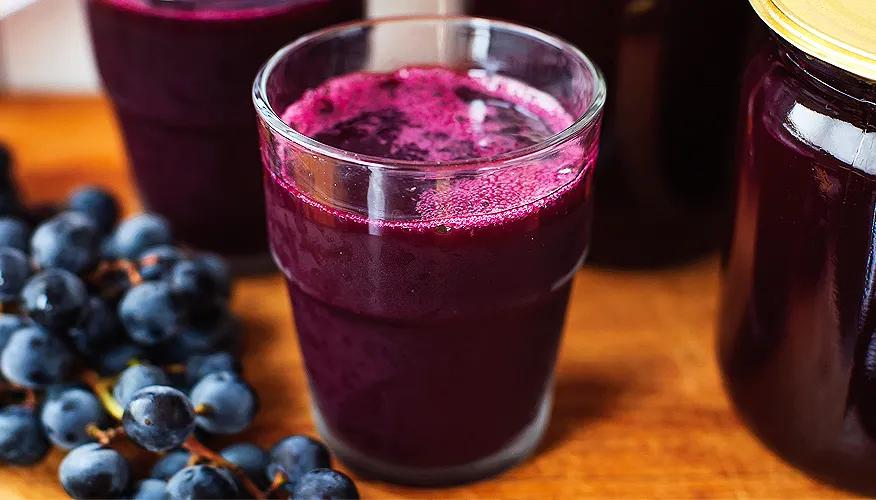
How to Make Black Grape Juice at Home?
- Making black grape juice at home is quite easy. Here’s a simple step-by-step process:
- Rinse 2 cups of black grapes under running water.
- Place the grapes in a blender, add a little water, and blend until smooth.
- Pour the mixture into a strainer to remove the skins and seeds.
- Serve the juice immediately or refrigerate it for up to two days.
Recommended Daily Diet of Black Grape Juice
- A daily serving of 150-200 ml (approximately 5 to 7 ounces) of black grape juice is usually sufficient for most adults.
- This amount can provide you with a good amount of antioxidants and other nutrients while keeping your sugar intake relatively low.
Potential Side Effects of Black Grape Juice
Black grape juice is generally safe and beneficial, but consuming it in excess can lead to potential side effects. Here are some things to watch out for:
- Allergic reactions: Some individuals may experience allergic reactions, such as itching, swelling, or breathing issues. Consult a healthcare provider if symptoms occur.
- Digestive issues: Consuming large amounts of black grape juice may cause diarrhea, bloating, or stomach cramps due to its fiber and sugar content.
- Blood sugar spikes: Excessive consumption can raise blood sugar levels, especially in those with diabetes. Moderation is key.
- Hyperkalemia concerns: High in potassium, black grape juice can be risky for individuals with kidney issues or hyperkalemia. Seek medical advice if needed.
Conclusion
Black grapes are a versatile fruit that not only taste great but also offer numerous health benefits. From being rich in antioxidants to promoting heart health and preventing certain types of cancer, these grapes are truly a powerhouse of nutrients.
For families in Southeast Asia and East Africa, where diet-related conditions like high blood pressure and diabetes are on the rise, adding this fruit to your routine is a sweet step toward better health.
So the next time you’re picking up fruit, don’t overlook the black grapes — they’re more than a treat; they’re a wellness boost in every bite.
Additionally, they’re easy to incorporate into your diet, whether you prefer them as a snack, in your salads, or as juice. Despite their slightly higher sugar content than other fruits, when consumed in moderation as part of a balanced diet, black grapes can be an excellent part of your journey towards a healthier lifestyle.
Meet our expert

Meet our expert
She holds a Bachelor of Nutrition & Community Health with Distinction from Universiti Putra Malaysia and has been a dedicated healthcare professional since 2014. As the Customer Care Manager, she leads a team of skilled dietitians and nutritionists, committed to serving the community.



How was the experience with article?
We'd love to know!