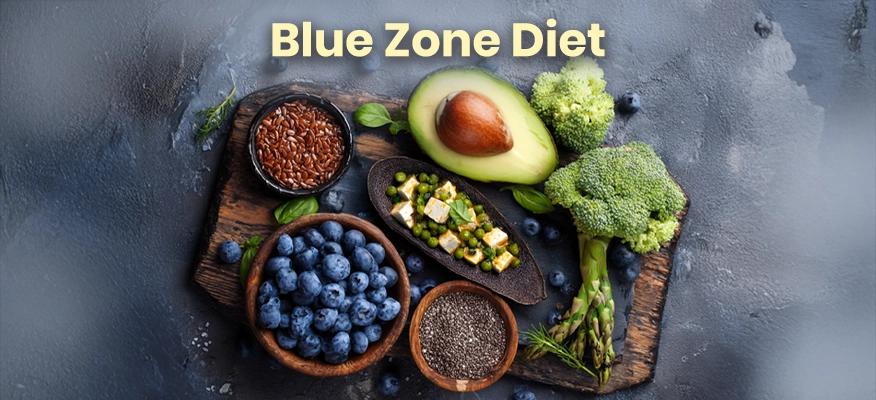
The Blue Zones diet is mostly plant-based, with about 95% of foods coming from vegetables, fruits, whole grains, beans, nuts, and seeds. It focuses on natural, unprocessed foods while keeping meat (only a few times a month), dairy, added sugar, and processed products to a minimum. It also includes healthy fats, like olive oil, and encourages eating beans every day.
Imagine living past 90 or even 100 years — healthy, active, and full of energy. In some regions of the world, this is normal. These regions, known as Blue Zones, have some of the world’s longest-living people. Researchers studied these communities and discovered a common thread: their way of eating and living.
The result is the Blue Zone Diet, a lifestyle-inspired way of eating that emphasizes natural, plant-based foods, balance, and mindful habits. Unlike fad diets, the Blue Zone Diet is about long-term health, not quick fixes.
What Is the Blue Zone Diet?
The Blue Zone Diet is a way of eating inspired by regions of the world where people live the longest and healthiest lives, known as the Blue Zones. These areas include Okinawa (Japan), Sardinia (Italy), Nicoya (Costa Rica), Ikaria (Greece), and Loma Linda (California, USA).
Researchers studied these communities and found that their eating habits played a key role in their long life expectancy and lower risk of chronic diseases. The Blue Zone Diet is not a strict plan but a lifestyle pattern that focuses on:
- Eating mostly plant-based foods like vegetables, fruits, beans, whole grains, nuts, and seeds.
- Choosing natural and unprocessed foods over packaged or refined products.
- Practicing portion control by eating until about 80% full.
- Using healthy fats such as olive oil, nuts, and seeds.
- Limiting sugar, processed foods, and dairy.
In short, the Blue Zone Diet encourages simple, wholesome eating with an emphasis on plants, which supports longevity, energy, and better overall health.
How Does the Blue Zone Diet Work?
The Blue Zone Diet works by following eating habits and lifestyle choices that naturally promote long life, good health, and lower risk of disease. Instead of being a short-term diet or weight-loss program, it focuses on long-term balance, moderation, and whole foods. Here’s how it works:
1. Plant-Based Eating
Most calories come from vegetables, fruits, beans, lentils, nuts, seeds, and whole grains. These foods are rich in fiber, vitamins, minerals, and antioxidants, which protect the body from disease and keep digestion healthy.
2. Beans as a Daily Staple
In all Blue Zone regions, beans like black beans, chickpeas, lentils, and soy are eaten every day. They provide plant-based protein and help keep you full longer.
3. Natural and Unprocessed Foods
Instead of packaged snacks or refined products, meals are prepared using fresh, seasonal ingredients. This reduces harmful additives and supports better nutrition.
4. Healthy Fats
Nuts, seeds, and olive oil are preferred sources of fat. These help protect the heart and improve brain health.
5. Mindful Portions
A key practice is not overeating. For example, in Okinawa, people stop eating when they are about 80% full. This prevents weight gain and reduces stress on the body.
6. Minimal Added Sugar
Sweet treats are rare, and when consumed, they usually come from natural sources like fruit or honey.
7. Lifestyle Connection
The diet is combined with daily movement, social connections, stress management, and having a sense of purpose—factors that also play a big role in health and longevity.
In simple terms, the Blue Zone Diet works because it gives the body nutrient-rich fuel, avoids harmful processed foods, and supports overall well-being through balanced eating and mindful living.
Nutritional Balance of the Blue Zone Diet
On average, the Blue Zone Diet provides:
- 65% carbohydrates – from beans, vegetables, fruits, and whole grains
- 20% healthy fats – from olive oil, nuts, and seeds
- 15% protein – mainly plant-based sources like beans, lentils, tofu, and whole grains
This balance supports steady energy, heart health, and long-term disease prevention.
Health Benefits of the Blue Zone Diet
The Blue Zone Diet offers a wide range of health benefits because it focuses on plant-based, nutrient-rich, and minimally processed foods. Combined with mindful eating and healthy lifestyle habits, it supports both physical and mental well-being. Here are the main benefits:
1. Promotes Longevity
People following Blue Zone eating patterns tend to live longer, healthier lives. The diet is rich in antioxidants, fiber, and essential nutrients that reduce the risk of age-related diseases and support overall longevity.
2. Supports Heart Health
The emphasis on vegetables, beans, whole grains, nuts, seeds, and healthy oils helps maintain healthy cholesterol and blood pressure levels. This reduces the risk of heart disease and stroke.
3. Reduces Risk of Chronic Diseases
The diet helps prevent conditions like:
- Diabetes – High-fiber foods help regulate blood sugar levels.
- Obesity – Whole, plant-based meals support healthy weight management.
- Certain Cancers – Antioxidant-rich fruits, vegetables, and legumes protect cells from damage.
4. Improves Gut Health
Fiber from beans, whole grains, fruits, and vegetables nourishes beneficial gut bacteria, aiding digestion and supporting a healthy microbiome.
5. Boosts Energy Levels
The diet’s nutrient-dense foods provide steady energy throughout the day without the crashes associated with sugary or processed foods.
6. Enhances Mental Clarity and Well-Being
Plant-based foods, healthy fats, and antioxidants support brain health. Coupled with lifestyle factors like social connection and stress management, the diet can improve mood, focus, and overall mental clarity.
7. Promotes Healthy Weight Management
Mindful eating practices, such as stopping when 80% full, along with fiber-rich foods, help maintain a healthy body weight naturally.
In short, the Blue Zone Diet is more than just a way of eating—it’s a holistic approach to health that can extend life, boost vitality, and protect the body from chronic illnesses.
Possible Challenges of the Blue Zone Diet
While highly beneficial, there are a few things to note:
- High fiber adjustment – If you’re not used to beans and whole grains, increase intake slowly.
- Possible nutrient gaps – Vitamin B12, calcium, and iron may need extra attention; fortified foods or supplements can help.
- Gradual adoption is best – Transition step by step instead of making sudden changes.
Foods to Eat on the Blue Zone Diet
- Beans and Legumes: lentils, chickpeas, black beans, soybeans
- Vegetables: leafy greens, sweet potatoes, mushrooms, root vegetables, squash, seaweed
- Fruits: seasonal fruits like berries, citrus, bananas, papaya, mango
- Whole Grains: oats, barley, quinoa, brown rice, sourdough bread
- Nuts and Seeds: walnuts, almonds, sunflower seeds, chia, flaxseeds
- Herbs and Spices: turmeric, garlic, rosemary, ginger, basil, cinnamon
- Healthy Oils: olive oil, avocado oil, sesame oil
- Drinks: water, green tea, herbal tea, black coffee (without sugar)
Foods to Limit or Avoid
- Packaged snacks and processed foods
- Sugary beverages and refined sugar
- Refined grains like white bread and pasta
- Excessive dairy (cow’s milk, cheese, butter)
- Fried or fast foodsHI GREEN

Blue Zones Diet Shopping List
Here’s a comprehensive Blue Zone Diet shopping list to make it easy for beginners to follow the diet while keeping it fully plant-based and nutritious:
Proteins (Plant-Based)
- Lentils (red, green, brown)
- Chickpeas
- Black beans, kidney beans, or navy beans
- Soy products: tofu, tempeh, soy milk, edamame
- Peanuts, almonds, cashews, walnuts
Vegetables
- Leafy greens: spinach, kale, collard greens, Swiss chard
- Root vegetables: sweet potatoes, carrots, beets
- Squash and pumpkin
- Mushrooms
- Tomatoes
- Avocados
- Seaweed (optional, for variety and minerals)
Fruits
- Berries: blueberries, strawberries, raspberries
- Bananas
- Citrus fruits: oranges, lemons, limes
- Papaya, mango, pineapple (seasonal)
- Apples, pears, grapes
- Seasonal fruits available locally
Whole Grains
- Brown rice
- Quinoa
- Oats and oatmeal
- Barley
- Farro
- Whole-grain or sourdough bread (look for minimal ingredients)
Nuts and Seeds
- Almonds, walnuts, cashews, pecans
- Sunflower seeds, pumpkin seeds, chia seeds, flaxseeds
- Nut butters (unsweetened)
Healthy Oils
- Olive oil (main cooking oil)
- Avocado oil
- Sesame oil (for flavoring)
Herbs and Spices
- Garlic, ginger, turmeric
- Rosemary, thyme, basil, oregano
- Cinnamon, paprika, black pepper, chili flakes
Beverages
- Water (main drink)
- Green tea or herbal teas
- Black coffee (optional, without sugar)
Sweeteners
- Honey (natural, limited to small amounts)
- Dates or other dried fruits (occasionally)
Sample 7-Day Blue Zone Diet Meal Plan
Day 1
- Breakfast: Oatmeal with walnuts and blueberries
- Lunch: Lentil soup with whole-grain bread
- Dinner: Steamed vegetables with quinoa
- Snack: Handful of almonds
Day 2
- Breakfast: Sweet potato hash with spinach and herbs
- Lunch: Chickpea salad with olive oil dressing
- Dinner: Mushroom barley stew with fresh herbs
- Snack: Roasted sunflower seeds
Day 3
- Breakfast: Smoothie with banana, spinach, and soy milk
- Lunch: Quinoa and vegetable bowl with avocado
- Dinner: Ratatouille with sourdough bread
- Snack: Hummus with carrot sticks
Day 4
- Breakfast: Overnight oats with flaxseeds and strawberries
- Lunch: Black bean soup with fresh greens
- Dinner: Lentil curry with brown rice
- Snack: A handful of walnuts
Day 5
- Breakfast: Tropical fruit bowl with chia seeds
- Lunch: Butternut squash soup with whole-grain bread
- Dinner: Vegetable gumbo with red rice
- Snack: Roasted chickpeas
Day 6
- Breakfast: Granola with almonds and soy yogurt
- Lunch: Barley and vegetable stew
- Dinner: Tofu stir-fry with broccoli and sesame seeds
- Snack: Apple slices with almond butter
Day 7
- Breakfast: Mango-berry smoothie with soy milk
- Lunch: Jackfruit poke bowl with fresh veggies
- Dinner: Mushroom risotto with side salad
- Snack: Coconut chia pudding with nuts

Tips for Getting Started With the Blue Zones Diet
Here are some practical and easy-to-follow tips for getting started with the Blue Zone Diet:
1. Fill Your Plate with Plants
Make vegetables, fruits, beans, and whole grains the main part of every meal. Aim for at least 5–10 servings of fruits and vegetables daily to get essential vitamins, minerals, and antioxidants.
2. Eat Beans Every Day
Beans and legumes like lentils, chickpeas, black beans, and soy provide plant-based protein and fiber. Try to include at least ½ cup of beans in your meals every day.
3. Cook at Home
Preparing your meals at home allows you to control ingredients, avoid processed foods, and include more nutrient-rich foods in your diet. Simple, fresh meals are the foundation of the Blue Zone Diet.
4. Practice Portion Control
Follow the 80% rule—stop eating when you feel about 80% full. This helps prevent overeating and supports long-term weight management without strict calorie counting.
5. Stay Hydrated
Water is the primary drink in Blue Zone regions. Herbal teas and black coffee are also common. Avoid sugary drinks and excessive dairy. Staying hydrated supports digestion, energy, and overall health.
6. Add Healthy Fats
Use olive oil, nuts, seeds, and avocado as your main sources of fat. These healthy fats improve heart and brain health and help you feel satisfied after meals.
7. Embrace Lifestyle Habits
The Blue Zone Diet works best when combined with:
- Daily movement – walking, gardening, or light exercise
- Stress management – meditation, deep breathing, or relaxation
- Social connections – spending time with family and friends
- Sense of purpose – having meaningful daily goal
Conclusion
The Blue Zone Diet is not just about food — it’s a lifestyle of mindful, plant-based eating combined with healthy daily habits. By adopting its simple principles, you can improve your health, boost your energy, and increase your chances of living a longer, more fulfilling life.
Unlike restrictive diets, the Blue Zone approach is flexible, enjoyable, and sustainable. It’s about eating more natural foods, fewer processed ones, and living in harmony with your body and community.
Meet our expert

Meet our expert
A Doctor of Medicine (MD) in Pharmacology., currently based in Mumbai, India, Dr Pramod Mane, comes with an experience of more than 20 years of working in Medical Affairs in the Pharmaceuticals & Nutraceutical Industry. Director of Medical Services at Mega Lifesciences since 2008, Dr Mane has been associated with several MNCs in the areas of Medical Affairs, Medical Services, Medico-marketing, Pharmacovigilance & Clinical trials in his illustrious career.



How was the experience with article?
We'd love to know!