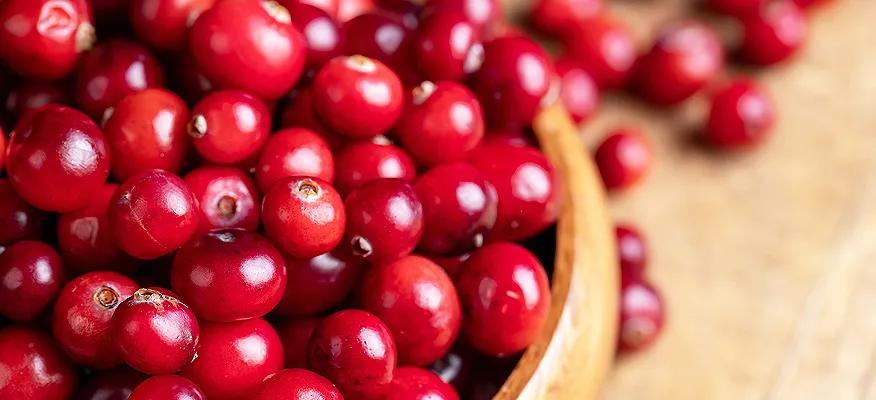
It’s a funny thing, isn’t it? How such a small berry can pack so much punch! We’re talking about cranberries, those little jewels of health that find their way into everything from your Thanksgiving feast to your weekend smoothie.
The cranberry is a bit of an unsung hero in the world of nutrition, often standing in the shadows of more exotic superfoods. However, this humble berry is powerful enough to turn around your health in surprising ways.
Regularly consuming cranberries can build a robust immune system to fight against common diseases and even serious health conditions. But how does this petite berry do so much good for our bodies?
Stay with us as we dive into the world of cranberries and their numerous health benefits. By the end of this journey, we guarantee you'll be a fan of this tiny superfood!
Introducing cranberries: A nutritional powerhouse
Cranberries, the small, tart berries often associated with Thanksgiving feasts and festive holiday meals, are much more than just a seasonal treat.
Packed with essential nutrients and antioxidants, cranberries are a nutritional powerhouse that can contribute greatly to your overall health and wellness.
These vibrant red fruits are rich in vitamins C and E, both of which are potent antioxidants that aid in protecting the body against damage from harmful free radicals. Cranberries also contain a decent amount of vitamin K1, which is crucial for blood clotting and bone health.
Moreover, they are a good source of dietary fiber, aiding in digestion and helping to keep you feeling full. In terms of minerals, cranberries offer manganese and copper, which are essential for healthy bodily functions.
The health benefits of cranberries
Here’s a closer look at how incorporating cranberries into your diet can positively impact your well-being.

Improved digestive health
Cranberries are an excellent source of dietary fiber, which plays a crucial role in maintaining digestive health.
- Promoting regular bowel movements: Cranberry dietary fiber adds bulk to stool and facilitates its passage through the digestive tract. This can help prevent constipation and promote regular bowel movements, which are essential for overall digestive health.
- Supporting gut health: A healthy digestive system is closely linked to gut health. Cranberry fiber acts as a prebiotic, providing nourishment for beneficial gut bacteria. These bacteria break down food, synthesize essential vitamins, and maintain a balanced gut microbiome.
- Reducing gastrointestinal discomfort: Regular consumption of cranberries may help alleviate symptoms such as bloating and abdominal discomfort by promoting efficient digestion and reducing the risk of digestive issues.
Antioxidant powerhouse
Cranberries are packed with antioxidants, which are compounds that help protect the body from oxidative stress caused by free radicals.
- Rich in vitamins C and E: Cranberries are high in vitamin C, a powerful antioxidant that supports various bodily functions, including collagen production and immune system health. Vitamin E, another antioxidant present in cranberries, helps protect cells from damage and supports skin health.
- Combating chronic illnesses: Cranberry antioxidants help neutralize free radicals, reducing the risk of chronic diseases such as heart disease and cancer. By preventing oxidative damage, these antioxidants contribute to long-term health and disease prevention.
- Supporting cardiovascular health: Cranberry antioxidants, including flavonoids and polyphenols, have been shown to have beneficial effects on heart health. They help reduce inflammation, lower blood pressure, and improve cholesterol levels, contributing to overall cardiovascular wellness.

Infection prevention
One of the most well-known benefits of cranberries is their potential to help prevent urinary tract infections (UTIs).
- Proanthocyanidins: Cranberries contain compounds known as proanthocyanidins (PACs), which may help prevent bacteria from adhering to the walls of the urinary tract. This can reduce the likelihood of infection by preventing harmful bacteria from colonizing and causing UTIs.
- Clinical evidence: Research has shown that regular consumption of cranberry products, such as cranberry juice or supplements, can help reduce the recurrence of UTIs, particularly in women who are prone to these infections. However, while cranberries can be a helpful preventive measure, they should not replace medical treatment for existing infections.
- Supporting urinary health: Cranberries can help prevent infections and maintain overall urinary tract health by promoting a healthy balance of bacteria and supporting the body’s natural defense mechanisms.
Boosted immunity
Cranberries also play a significant role in enhancing the body’s immune system.
- Vitamin C benefits: Cranberries' high vitamin C content is crucial for boosting immune function. Vitamin C helps stimulate the production of white blood cells, which are essential for fighting infections and diseases. It also aids in the production of antibodies and enhances the body's ability to respond to pathogens.
- Reducing inflammation: Cranberries' anti-inflammatory properties contribute to a stronger immune system. Chronic inflammation can weaken the immune response and increase susceptibility to illnesses. By reducing inflammation, cranberries help support a more resilient immune system.
- Overall immune support: Regular consumption of cranberries can help maintain optimal immune function, reduce the duration and severity of illnesses, and support overall health. Including cranberries in your diet, especially during cold and flu season, can be a proactive way to support your immune system.
Cranberries in your diet: Simple and delicious ways
Now that you know about the incredible benefits of cranberries, you might be wondering how to incorporate them into your diet. It's quite easy!
- Fresh Fruit: Enjoy them raw as a tangy snack.
- Juices and Smoothies: Add a handful of cranberries to your morning smoothie or buy cranberry juice from the store. Just make sure it's 100% juice with no added sugars.
- Baked Goods: Use dried cranberries in cookies, muffins, and bread for a tart twist.
- Sauces and Dips: Create a cranberry-based sauce or dip for a unique flavor profile.
Beyond the fruit: Other uses of cranberries
Cranberries, while well-known for their nutritional benefits and culinary applications, have a range of uses that extend far beyond just eating them.

From natural dye to skincare and even gardening, cranberries offer versatility in various domains.
Here’s a deeper look at how cranberries can be used in different ways:
Skincare
Cranberries are not just good for consumption; their antioxidant properties make them valuable in skin care products.
- Antioxidant-rich extracts: Cranberry extract is rich in antioxidants, such as vitamins C and E, which help protect the skin from oxidative stress and free radical damage. These antioxidants contribute to maintaining healthy, youthful skin by reducing the appearance of fine lines and wrinkles.
- Anti-inflammatory benefits: Cranberries' anti-inflammatory properties can help soothe irritated skin and reduce redness. Products containing cranberry extract can be beneficial for individuals with sensitive skin or conditions like acne or rosacea.
- Hydration and nourishment: Cranberry extract is often included in moisturizers, serums, and face masks due to its ability to hydrate and nourish the skin. Cranberries' vitamins and essential fatty acids help maintain the skin's moisture barrier and improve its overall texture and appearance.
- DIY skin care recipes: You can also create your own cranberry-based skin care products at home. For example, mixing cranberry juice with honey and applying it as a face mask can provide a natural boost to your skincare routine.
Fertilizer
Used cranberries have a practical application in gardening and can be utilized as a natural fertilizer.
- Composting: Cranberries can be added to compost piles to enrich the compost with essential nutrients. The organic matter from cranberries contributes to the overall quality of the compost, improving soil fertility and structure.
- Nutrient-rich soil amendment: Once composted, cranberries help provide vital nutrients to the soil, such as nitrogen, phosphorus, and potassium. These nutrients are essential for plant growth and can enhance the health and productivity of your garden.
- Natural fertilizer alternative: Using cranberries as part of your composting routine is a sustainable way to reduce waste and promote eco-friendly gardening practices. It’s a great way to recycle food scraps and support healthy soil.
- Application tips: When using cranberries as compost, be sure to mix them well with other compost materials to ensure balanced decomposition. Avoid adding large quantities at once, as excess fruit can attract pests or create an imbalance in the compost mix.
Conclusion
Cranberries are truly an amazing superfruit, offering health benefits that extend from boosting immunity to improving digestive health. Plus, they’re a versatile addition to your diet, whether you prefer them fresh or dried, in baked goods or blended into smoothies.
Aside from their significant health benefits and culinary uses, cranberries also serve various practical purposes. Whether you’re aiming to boost your health or simply enjoy their tangy taste, cranberries are definitely worth incorporating into your everyday life.
So, next time you’re at the grocery store, don’t forget to pick up this nutritional powerhouse!
Meet our expert

Meet our expert
Dr. Irina Borisovna Stefanenko, a medical doctor based in Ukraine, graduated from Vinnitsa State Medical University in 1995. Between 1995 and 2000, Dr. Stefanenko pursued postgraduate studies and engaged in scientific activities at Vinnytsa Medical University in Ukraine.



How was the experience with article?
We'd love to know!