
Eggplants are a nutrient-rich vegetable packed with fiber, vitamins, and essential minerals. Including eggplant in your diet can support overall health and wellbeing. This versatile vegetable is especially known for its benefits to heart health, digestion, and weight management. Let’s explore why eggplant is a great addition to your meals.
Whether you call it brinjal, aubergine, or biringanya, eggplant is one of those humble vegetables that shows up in kitchens from Bangkok to Nairobi, often underestimated, yet incredibly versatile.
In Southeast Asia, it’s found sizzling in spicy curries and stir-fries.

In East Africa, it's grilled, stewed, or blended into hearty vegetarian dishes. But beyond its rich, meaty texture and ability to soak up flavors, eggplant is also a nutritional powerhouse.
Packed with fiber, antioxidants, and essential vitamins, eggplant offers benefits that go far beyond the plate—from supporting heart health and digestion to potentially reducing blood sugar levels. And the best part? It's affordable, easy to cook, and pairs beautifully with local spices and ingredients.
Get ready to understand eggplant benefits and why this underrated veggie deserves a VIP spot in your diet.
What is Eggplant?
Eggplant, also known as aubergine, is a vegetable that belongs to the nightshade family, which includes tomatoes and potatoes. It is easily recognized by its deep purple color and glossy skin, although some varieties can be white, green, or striped. Eggplant has a unique, slightly bitter taste and a spongy texture that absorbs flavors well, making it popular in many cuisines around the world. It can be cooked in many ways, including roasting, grilling, baking, and frying.

Nutritional Profile of Eggplant
If you have found yourself confusedly searching brinjal vs eggplant or aubergine vs eggplant and wondering which is the best for your health, then let us put your mind at ease.
When it comes to brinjal, aubergine, or eggplant, it's really all about geography. The term "aubergine" is more frequently used in Europe, while "eggplant" is the preferred term in North America.
"Brinjal" is commonly used in South Asian countries and certain parts of Africa. Despite the varying names, they all refer to the same nutritious fruit.
- Eggplants are highly nutritious.
- They're low in calories, making them an excellent addition to a weight loss diet.
- They're also high in fibre, which aids digestion and helps maintain a healthy gut.
- Eggplants contain several essential vitamins and minerals, such as vitamin C, vitamin K, vitamin B6, folate, and potassium.
- So, whatever you choose to call it, it doesn’t change its nutritional composition; they're all words for the same nutritious fruit.
Incredible Health Benefits of Eggplant
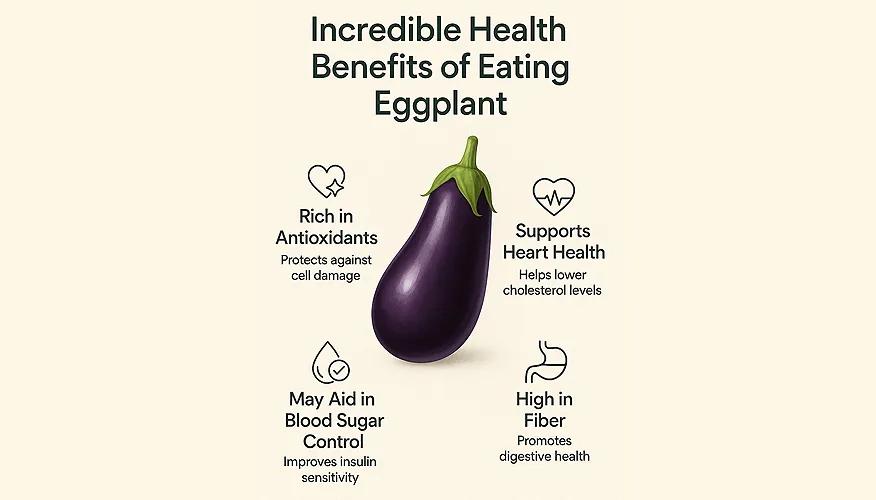
Eggplant, also known as aubergine, is a popular vegetable recognized for its deep purple color and unique taste. Beyond its culinary versatility, eggplant offers a wide range of health benefits thanks to its rich nutritional profile. Here are 18 complete reasons why eggplant is a fantastic addition to your diet:
1. Eggplant is Rich in Antioxidants
Eggplant contains potent antioxidants, especially nasunin, which is concentrated in the vegetable’s purple skin. Nasunin is a type of anthocyanin that helps protect your body’s cells by neutralizing harmful free radicals. These antioxidants reduce oxidative stress, potentially lowering the risk of chronic diseases such as heart disease and cancer.
2. Eggplant Supports Heart Health
Consuming eggplant regularly can benefit your heart health. It is rich in dietary fiber, potassium, vitamin C, and vitamin B6—all important nutrients for cardiovascular function. Eggplant helps reduce bad LDL cholesterol and triglycerides while improving blood flow, which may reduce the risk of heart attacks and strokes.
3. Eggplant Aids in Digestion
Eggplant is an excellent source of dietary fiber, which promotes healthy digestion. Fiber adds bulk to the stool, helping prevent constipation and encouraging regular bowel movements. By maintaining a healthy digestive tract, eggplant supports nutrient absorption and reduces the risk of gastrointestinal disorders.
4. Eggplant Helps with Weight Management
Eggplant is naturally low in calories and contains high amounts of fiber, which makes it filling without adding extra calories. Including eggplant in meals can help control hunger and reduce overall calorie intake, supporting weight loss or healthy weight maintenance. Eggplant is a low-calorie vegetable, making it an excellent choice for a healthy diet. One serving of eggplant (about one cup cooked) contains approximately 25 calories and less than 1 gram of fat. This means eggplant is a guilt-free food option, especially if it’s prepared without soaking in oil or frying.
5. Eggplant Regulates Blood Sugar Levels
Eggplant has a low glycemic index and is rich in fiber, which slows the absorption of sugar into the bloodstream. This helps prevent blood sugar spikes after meals. Additionally, certain compounds in eggplant may improve insulin sensitivity, making it a good choice for people managing diabetes or insulin resistance.
6. Eggplant May Support Brain Health
The nasunin antioxidant in eggplant also benefits the brain by protecting cell membranes from damage. Eggplant’s phytonutrients improve blood flow to the brain and help remove toxic free radicals, which supports cognitive functions like memory and learning.
7. Eggplant is Good for Bone Health
Eggplant contains essential minerals such as manganese, copper, and vitamin K, which are vital for maintaining strong bones. These nutrients help improve bone density and reduce the risk of fractures and osteoporosis as you age.
8. Eggplant Boosts Immunity
Eggplant contains vitamin C and other immune-supporting nutrients that help strengthen the body’s natural defenses. Regular consumption can reduce inflammation and improve the immune response against infections and illnesses.
9. Eggplant Promotes Healthy Skin
Vitamins A, C, and antioxidants in eggplant contribute to healthier skin by promoting collagen production and protecting skin cells from UV damage. Eating eggplant may help reduce signs of aging such as wrinkles and improve overall skin texture.
10. Eggplant Supports Liver Health
Eggplant’s antioxidants help reduce oxidative damage in the liver and protect it from harmful toxins. By supporting liver function, eggplant helps in the detoxification process and promotes better metabolism and energy production.
11. Eggplant May Reduce Cancer Risk
Eggplant contains compounds like polyphenols and anthocyanins, which have anti-inflammatory and anti-cancer properties. These phytochemicals may help prevent the growth and spread of cancer cells by inhibiting tumor development. Some early laboratory studies suggest that eggplant may help protect against damage to DNA, which can lead to cancer development. This effect is believed to come from the antioxidants and natural plant compounds found in eggplant. However, more research is needed to confirm these potential cancer-preventing benefits in humans.
12. Eggplant Improves Eye Health
Eggplant contains small amounts of lutein and zeaxanthin, antioxidants known to protect eye cells from damage caused by UV light and free radicals. These nutrients help reduce the risk of age-related macular degeneration and cataracts.
13. Eggplant Enhances Brain Function
The flavonoids and phytonutrients found in eggplant improve blood flow to the brain and may boost memory and cognitive performance. These benefits can potentially lower the risk of neurodegenerative diseases like Alzheimer’s.
14. Eggplant Acts as a Natural Diuretic
Eggplant has diuretic properties, which means it helps the body eliminate excess fluids and toxins through urine. This natural detoxification can reduce bloating and support kidney health.
15. Eggplant May Help Lower Blood Pressure
Potassium present in eggplant helps relax blood vessels and balance sodium levels in the body. This can help lower high blood pressure and reduce the risk of heart disease and stroke.
16. Eggplant is Rich in Nutrients
Eggplant is a nutrient-dense vegetable packed with essential vitamins and minerals such as vitamin B6, folate, potassium, magnesium, and dietary fiber. These nutrients contribute to overall health and wellbeing.
17. Eggplant is Easy to Consume
One of the best benefits of eggplant is its versatility. It can be grilled, roasted, baked, stir-fried, or incorporated into stews, curries, and dips like baba ganoush. Its mild flavor easily absorbs spices and seasonings, making it simple to add to a variety of meals.
18. Traditional and Ayurvedic Uses of Eggplant
Eggplant has been used in traditional medicine for thousands of years. In the ancient Indian system of Ayurveda, white eggplant was used to help manage diabetes, while the roots of the plant were sometimes used to relieve asthma symptoms. These traditional uses show how eggplant has long been valued not only as food but also for its potential health benefits.

How to Incorporate Eggplant into your Diet?
Ways to incorporate eggplants into your diet are given below:
- Rather than making fried eggplants, consider baking or grilling them to keep your dishes lower in calories but still delicious.
- Use eggplants in a variety of recipes, including classic dishes like eggplant parmesan, hearty curries, or a fresh Mediterranean salad.
- For those who enjoy long brinjal varieties, these are ideal for stir fries or Indian-style curries.
Are There Any Risks of Eating Eggplant?
Eggplant belongs to the nightshade family and contains a chemical called solanine. Some people believe solanine may increase inflammation and make conditions like arthritis worse. However, there is no strong scientific proof that the small amount of solanine in eggplant causes arthritis to get worse. If you notice that eating eggplant makes your joint pain worse, it’s best to avoid it.
In rare cases, some people may be allergic to eggplant. Signs of an allergic reaction can include skin rash, swelling of the face, itching, hives, or a hoarse voice. If you experience any of these symptoms, stop eating eggplant and consult a doctor.
How to Prepare and Store Eggplant?
Before cooking eggplant, rinse it well and cut off both ends. The skin is edible, but if you find it too tough, you can peel it off.
Eggplant can taste a little bitter. To reduce the bitterness, sprinkle salt over the cut pieces and let them sit for about 30 minutes. The salt helps draw out the bitter juice and also stops the eggplant from soaking up too much oil when cooking. Be sure to rinse off the salt before cooking.
Eggplant is very versatile—you can roast, bake, steam, or sauté it. It works great in dishes like curries and soups. One popular recipe is eggplant parmesan, but keep in mind that frying eggplant with breadcrumbs adds extra calories and fat. For a healthier option, try baking the eggplant instead of frying.
If you want to bake a whole eggplant, poke the skin a few times with a fork (like you would with a baked potato). Bake it for about 30 minutes, then scoop out the soft inside to stuff it or mash it into soups, stews, or dips.
Don’t cut the eggplant until you’re ready to cook it because it spoils quickly once cut. Store whole eggplants in the refrigerator, where they will stay fresh for up to one week.
Conclusion
Eggplant may not always be the star of the meal, but its health benefits certainly take center stage.
Whether you're whipping up a Thai curry, a Kenyan biringanya stew, or simply roasting slices with garlic and olive oil, eating eggplant can do wonders for your heart, gut, and overall wellness.
So the next time you pass by those purple beauties in the market, give them a second glance—they just might be the most underrated superfood in your kitchen.
Discover the incredible health benefits of eating eggplant — your body (and your taste buds) will thank you.
Meet our expert

Meet our expert
Song has been practising as a nutritionist with more than 12 years of experience. She
holds a Bachelor of Nutrition & Community Health with Distinction from University
Putra Malaysia and experience in conducting product training, giving health talk to the
public on health-related topic, and providing nutritional consultations to the customers.



How was the experience with article?
We'd love to know!