
Do you often feel drained out in the middle of the day?
As we juggle several roles and responsibilities in our fast-paced lives, it’s quite common for us to feel fatigued. Perhaps you’ve been attributing this feeling of exhaustion to overwork or stress. But, have you ever considered that your diet could also be playing a pivotal role in this?
Something as simple as electrolytes could hold the key to boosting your energy levels.
Sometimes, all you need is a little balance to make things right. Electrolytes provide just that—balance in our bodies, helping our cells function smoothly. But what are these so-called electrolytes?
Buckle up as we break down the science behind electrolytes, their role in our bodies, and how to ensure we’re getting enough of them!
What are electrolytes?
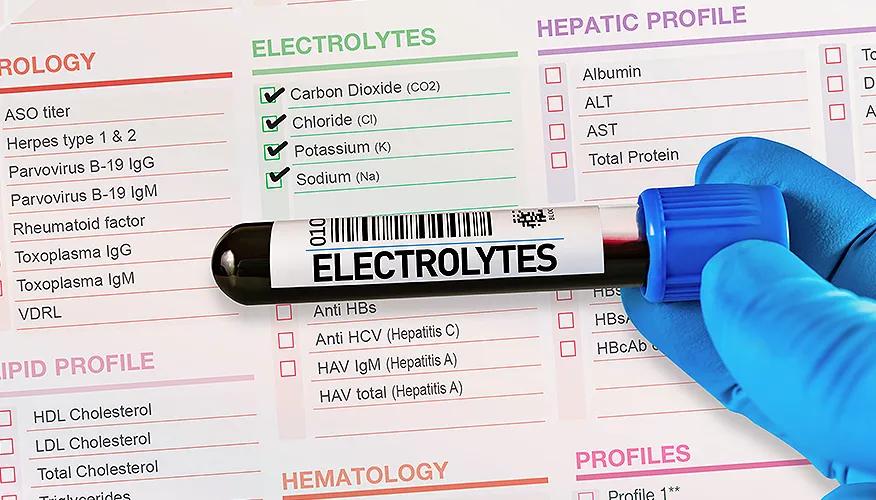
Electrolytes are minerals found in your blood and other bodily fluids that carry an electric charge.
They form ions in our body fluids, making them essential for a variety of physiological processes.
They play crucial roles in conducting nervous impulses, regulating pH levels, balancing fluids, and much more.
Key electrolytes and their functions
There are several key electrolytes that our bodies rely on for vital functions.
Let’s look at each one of them:
- Sodium: It helps maintain fluid balance, supports muscle contractions, and contributes to nerve signaling.
- Potassium: It plays a role in heart function, muscle contractions, and nerve signaling.
- Calcium: Besides being crucial for bone health, calcium also aids in muscle movement and nerve signaling.
- Magnesium: It is involved in many processes, including muscle contractions, nerve function, heart rhythm, and the immune system.
- Chloride: This electrolyte helps maintain fluid balance, digestion, and pH balance.
- Phosphate: It is important for energy production, bone health, and cell functioning.
- Bicarbonate: This electrolyte helps regulate pH levels in your body.
Importance of electrolytes for health
Understanding the importance of electrolytes and how they contribute to overall health can help you appreciate their role in maintaining well-being.

Maintaining fluid balance
- Electrolytes, particularly sodium and potassium, are vital for regulating the body's fluid balance.
- Sodium helps retain water in the body and ensures that fluids are distributed appropriately between cells, tissues, and the bloodstream. This balance is crucial for preventing dehydration and maintaining blood pressure.
- Potassium, on the other hand, counteracts sodium’s effects, helping to regulate fluid levels within cells and tissues.
- A proper balance between sodium and potassium is essential for maintaining optimal hydration and preventing conditions like dehydration or fluid overload.
Supporting muscle function
- Electrolytes are fundamental for proper muscle function. Sodium, potassium, and calcium all play key roles in muscle contraction and relaxation.
- Sodium and potassium facilitate the transmission of electrical impulses that trigger muscle contractions.
- When these electrolytes are out of balance, it can lead to muscle cramps, spasms, or weakness.
- Calcium is also crucial for muscle movement, as it helps in the interaction between actin and myosin proteins within muscle fibers.
- Adequate levels of these electrolytes are necessary to support effective muscle function and prevent disorders related to muscle contractions.
Regulating nerve signaling
- The nervous system relies heavily on electrolytes to function correctly.
- Sodium and potassium are involved in generating and transmitting electrical signals in nerve cells.
- Sodium ions create electrical impulses by moving into and out of nerve cells, while potassium helps maintain the electrical gradient across cell membranes.
- This process allows nerves to communicate with each other and with muscles, enabling reflexes, coordination, and sensory perception.
- Imbalances in these electrolytes can disrupt nerve signaling and lead to issues such as confusion, irritability, or impaired motor function.
Balancing pH levels
- Electrolytes also play a critical role in maintaining the body’s acid-base balance, which is essential for overall health.
- Bicarbonate and phosphate are key electrolytes involved in regulating the body’s pH levels.
- Bicarbonate acts as a buffer to neutralize excess acids in the blood, preventing acidosis, while phosphate helps maintain the proper pH balance in various bodily fluids.
- An imbalance in these electrolytes can lead to conditions like metabolic acidosis or alkalosis, which can affect overall health and well-being.

Supporting cardiovascular health
- Electrolytes are essential for cardiovascular health. Sodium, potassium, and calcium all contribute to maintaining a healthy heart rhythm and blood pressure.
- Sodium helps regulate blood volume and pressure, while potassium and calcium are crucial for proper heart muscle function and electrical activity.
- Imbalances in these electrolytes can lead to cardiovascular issues such as arrhythmias, hypertension, or heart disease.
- Maintaining balanced electrolyte levels is crucial for supporting overall heart health and preventing cardiovascular disorders.
Enhancing overall cellular function
- Electrolytes are involved in many cellular processes, including nutrient uptake, waste removal, and cell signaling.
- Potassium, for example, helps regulate the movement of nutrients into cells and the removal of waste products.
- Sodium and potassium pumps in cell membranes actively transport ions to maintain cellular function and volume.
- Proper electrolyte balance is essential for optimal cellular health and function, impacting everything from energy production to cellular repair.
Sources of electrolytes
Electrolytes are primarily obtained through the food we eat and drinks we consume.
Here are some rich sources:
- Sodium can be found in table salt, processed foods, and sports drinks.
- Foods like bananas, potatoes, and spinach are high in potassium.
- Calcium-enriched foods include dairy products, leafy greens, and fortified foods.
- Magnesium-rich foods include nuts, seeds, whole grains, and leafy green vegetables.
- Chloride is found in table salt, seaweed, rye, tomatoes, lettuce, and celery.
- Phosphate is abundant in dairy products and whole grains.
- Bicarbonate is produced naturally in the body.
Signs of electrolyte imbalance
An imbalance of electrolytes can occur when the amount of water in your body changes.
This can be due to dehydration, illness, medications, or treatments. Some signs of an electrolyte imbalance may include:
- Fatigue or lethargy
- Nausea or vomiting
- Irregular heartbeat
- Muscle cramps or weakness
- Confusion or changes in mood
How to maintain electrolyte balance
1. Consume a balanced diet
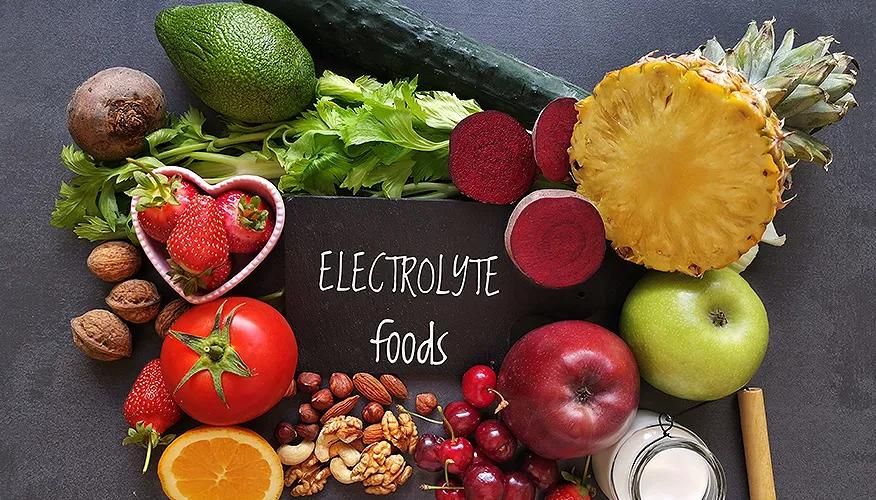
Eating a variety of plant-based foods can help ensure you get the necessary electrolytes. Here are some plant-based sources for each key electrolyte:
- Sodium: While often associated with table salt and processed foods, you can get moderate sodium from celery, beets, and certain sea vegetables like nori.
- Potassium: Avocados, bananas, spinach, and sweet potatoes are excellent sources. Incorporate them into your meals with recipes like a creamy avocado and spinach smoothie or roasted sweet potato wedges.
- Calcium: Leafy greens such as kale and bok choy, fortified plant milk, and tofu are rich in calcium. Try making a kale salad with tahini dressing or a tofu stir-fry.
- Magnesium: Nuts, seeds, and legumes are rich in magnesium. Snack on a mix of almonds and pumpkin seeds, or add black beans to your salads and soups.
- Chloride: Sea vegetables like kelp and foods like tomatoes and olives can provide chloride. For added flavor and nutrients, prepare a tomato-based vegetable soup with a sprinkle of seaweed flakes.
- Phosphate: Found in nuts, seeds, and whole grains, as well as legumes. Enjoy a quinoa salad with chickpeas and a handful of sunflower seeds.
- Bicarbonate: Although bicarbonate is mainly produced by the body, eating foods like spinach and beets can support its natural balance. Blend spinach into smoothies or include beets in your roasted vegetable mix.
2. Stay hydrated
Proper hydration is crucial for maintaining electrolyte balance. Drinking plenty of water throughout the day is essential. During physical activity or hot weather, consider plant-based beverages that can help replenish electrolytes:
- Coconut water: Naturally rich in potassium and magnesium, coconut water is a great hydrating option. Drink it straight or mix it into smoothies.
- Homemade electrolyte drinks: For a natural electrolyte drink, combine water with a splash of lemon or lime juice, a pinch of sea salt, and a touch of maple syrup.
3. Balance electrolytes during exercise
Replenishing lost electrolytes is important When exercising, especially for extended periods. Here are plant-based options for maintaining electrolyte levels:
- Hydrating fruit salad: Combine watermelon, oranges, and kiwi for a refreshing fruit salad rich in potassium and hydration.
- Chia seed pudding: Soak chia seeds in almond milk overnight, then top with fresh berries and a drizzle of maple syrup for a magnesium-rich snack.
- Cucumber and mint water: Infuse water with slices of cucumber and fresh mint for a hydrating and refreshing drink that helps maintain electrolyte balance.
By incorporating these strategies and recipes into your routine, you can help maintain your electrolyte balance and support overall health. Balancing electrolytes through a combination of a varied diet, proper hydration, and mindful eating habits will contribute to your well-being and energy levels.
Conclusion
In a nutshell, electrolytes are indispensable for our overall health and bodily functions. They play a critical role in keeping our bodies working the way they should. Paying attention to the signs of an imbalance and taking steps to maintain a healthy electrolyte balance can help ensure your body functions at its best.
Remember, your body is a complex system, and maintaining a balance is crucial for it to function optimally. So, whether you’re working out or just going about your day, don’t forget the importance of electrolytes for your well-being.
Meet our expert

Meet our expert
A Doctor of Medicine (MD) in Pharmacology., currently based in Mumbai, India, Dr Pramod Mane, comes with an experience of more than 20 years of working in Medical Affairs in the Pharmaceuticals & Nutraceutical Industry. Director of Medical Services at Mega Lifesciences since 2008, Dr Mane has been associated with several MNCs in the areas of Medical Affairs, Medical Services, Medico-marketing, Pharmacovigilance & Clinical trials in his illustrious career.



How was the experience with article?
We'd love to know!