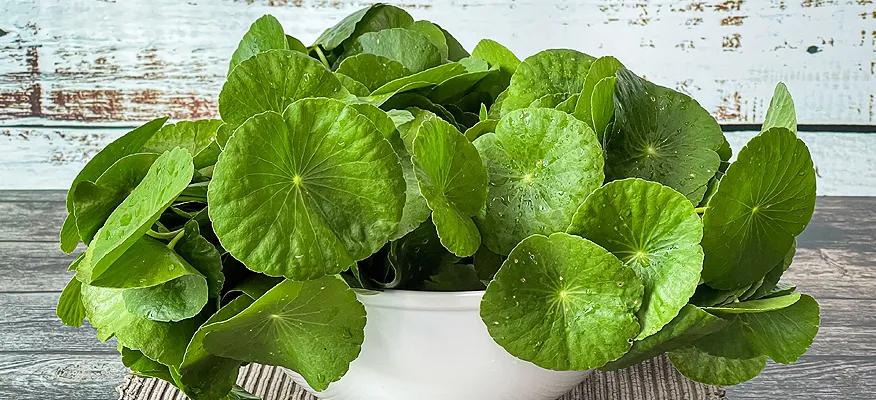
Ever heard of a small, unassuming plant holding the secrets to ancient wellness? Meet pegaga, also known as gotu kola, a leafy wonder that has been cherished for centuries in traditional medicine. Its vibrant green leaves hold more than just aesthetic appeal; they are a treasure trove of health benefits.
You’ll find it growing near rice paddies in rural Malaysia, tucked into backyard gardens in Thailand, or picked fresh from the fields in Uganda and Tanzania, where it's sometimes called “miracle leaf” or simply used in traditional tonics.
For generations, Pegaga has been more than just a wild herb — it’s been a brain booster for students, a skin healer for elders, and a daily tonic for anyone looking to strengthen their body from the inside out.
Whether it’s served as a refreshing juice in Jakarta or mixed into leafy green salads in Kenya, its benefits are well known in local kitchens and herbal traditions, and the humble herb has the power to transform your wellness routine.
But what exactly makes this humble herb so powerful? Let’s take a closer look at the science and the tradition behind Pegaga, understand Pegaga benefits — and why it continues to earn its place in both ancient healing and modern wellness.
What is Pegaga Leaf?
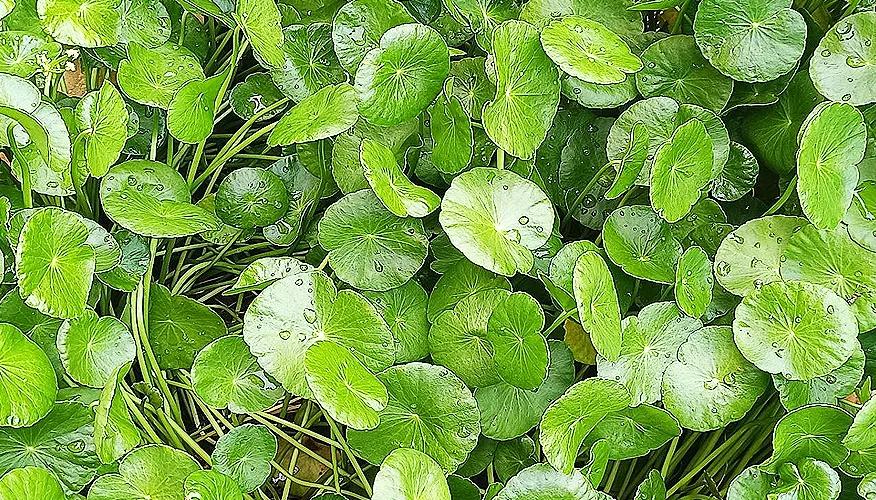
Pegaga leaf, scientifically known as Centella asiatica and also commonly called Gotu Kola, is a small, creeping herbaceous plant that grows close to the ground. It thrives in damp, open areas such as rice fields and wetlands, mainly found in tropical regions of Southeast Asia, including Malaysia, Indonesia, India, and Sri Lanka.
This perennial plant belongs to the parsley family (Umbelliferae) and is highly valued in traditional medicine systems such as Ayurveda, Chinese medicine, and Indonesian folk medicine. Pegaga has been used for centuries, with historical records showing its importance for various healing properties. In Malaysia, especially among Malay communities, pegaga leaves are commonly consumed fresh as part of a traditional herbal salad known as ulam.
There are different types of pegaga, including salad pegaga, curly pegaga, and common pegaga (sometimes called sweet potato pegaga). The plant is often called the “herb of longevity” or even the “miracle elixir of life” due to its wide range of health benefits and long-standing use in various cultures. It is praised for its ability to boost brain function, enhance memory, improve nerve function, promote wound healing, and support skin and liver health.
Pegaga contains important nutrients such as vitamin C, B vitamins, and various phytonutrients including tannins, polyphenols, and flavonoids. These bioactive compounds contribute to its potent antioxidant, anti-inflammatory, and adaptogenic effects. Because of this, pegaga is often described as a “pharmacy in one herb,” capable of supporting overall wellness naturally.
In traditional and modern herbal practices, pegaga is used in various forms — fresh leaves in salads, brewed as tea, extracted into capsules, or applied topically in creams. Its reputation as a powerful brain tonic has led experts to recommend regular consumption for children, adults, and especially the elderly, to maintain cognitive health and protect against age-related mental decline.
Notably, Professor Gerard Bodeker, a renowned expert in traditional medicine, highlights pegaga’s role in enhancing skin quality and brain connectivity. He explains that pegaga increases collagen and fibronectin production, which improves skin elasticity and youthfulness, while also supporting mental clarity and brain function. This scientific insight confirms what generations before us have long known — pegaga is a natural herb that promotes both youthful skin and a clear, healthy mind.
Nutrient Content in Pegaga Leaves
The nutritional prowess of Pegaga lies in its rich deposit of bioactive compounds and essential nutrients. Although the exact nutritional profile can vary, this plant is known to contain:
| Nutrient | Amount (per 100g) |
| Calories | 40 kcal |
| Protein | 4.0 g |
| Fat | 0.4 g |
| Carbohydrates | 7.0 g |
| Dietary Fiber | 2.0 g |
| Vitamin C | 10 mg |
| Vitamin A | 5,000 IU |
| Calcium | 40 mg |
| Iron | 1.2 mg |
| Magnesium | 20 mg |
| Potassium | 400 mg |
Health Benefits of Pegaga Leaves (Gotu Kola)
Pegaga, also known as Gotu Kola or Centella Asiatica, is a traditional herbal plant widely used in Malay, Chinese, and Ayurvedic medicine. Pegaga leaves and even the roots are packed with nutrients like antioxidants, triterpenoids, vitamins, and minerals that offer a wide range of health advantages.
Here are the top benefits of pegaga leaves you should know about:
1. Pegaga Improves Blood Circulation
Pegaga (Centella asiatica) is well-known for its ability to improve blood circulation by strengthening the walls of veins and small blood vessels. This makes it especially helpful for people suffering from chronic venous insufficiency (CVI), a condition where blood has difficulty returning to the heart, causing swelling, heaviness, and varicose veins in the legs. The active compounds in pegaga, such as asiaticoside and madecassoside, promote better blood flow and increase the elasticity of blood vessels, which supports overall cardiovascular health. Regular consumption of pegaga—whether as infused water, raw leaves, or supplements—can reduce leg swelling, prevent varicose veins, and improve oxygen delivery throughout the body. In traditional Southeast Asian medicine, pegaga has long been used to manage circulation problems, often consumed as boiled water or juice over a period of weeks to support healthier blood flow.
2. Enhances Cognitive Function and May Prevent Alzheimer’s
Pegaga enhances cognitive function by improving communication between neurons and protecting brain cells from oxidative stress and damage. Its powerful antioxidants and bioactive compounds support overall brain health, which may help slow down age-related mental decline. Regular use of pegaga has been linked to better memory, improved concentration, and increased mental alertness. Additionally, some studies suggest that pegaga may help reduce the risk of Alzheimer’s disease by protecting nerve cells and reducing inflammation in the brain. This makes pegaga a promising natural supplement for maintaining long-term cognitive health.
3. Healing Wounds and Improving Skin Elasticity
Pegaga is highly effective in promoting wound healing as well as reducing scars and stretch marks. It stimulates collagen production, which is essential for repairing damaged skin and improving elasticity. The active compounds in pegaga, especially triterpenoids, accelerate skin regeneration, helping wounds heal faster and minimizing scar formation. This makes it beneficial for healing cuts, burns, and surgical wounds, including cesarean section scars. Additionally, pegaga helps fade existing stretch marks and prevents new ones by enhancing skin strength and flexibility. Regular use of pegaga, both topically and orally, supports healthier, smoother, and more youthful-looking skin.
4. Natural Stress and Anxiety Relief with Pegaga
Pegaga is known for its calming and stress-relieving properties, making it a natural remedy for anxiety and emotional imbalance. It helps regulate neurotransmitters like serotonin and dopamine, which play key roles in mood regulation and stress response. By lowering cortisol levels—the hormone associated with stress—pegaga can reduce feelings of anxiety, nervousness, and restlessness. Its adaptogenic effects also support the body’s ability to cope with stress, promoting mental clarity and emotional stability. Many people use pegaga in the form of tea, juice, or supplements to help improve mood and achieve a calmer state of mind naturally.
5. Supports Digestive Health and Detoxification
Pegaga supports digestive health by soothing the digestive tract and promoting healthy liver function. Its mild anti-inflammatory and detoxifying properties help alleviate common digestive issues such as bloating, indigestion, stomach ulcers, and constipation. Pegaga also acts as a gentle diuretic, helping to flush out toxins and excess fluids from the body, which supports overall detoxification. Consuming pegaga as fresh leaves, juice, or tea can improve digestion and aid in maintaining a healthy digestive system naturally.
6. Pegaga for Regulating Blood Pressure
Pegaga (Gotu Kola) may help regulate blood pressure by improving blood vessel function and promoting better circulation. Its natural compounds can relax blood vessels, which helps reduce resistance to blood flow and lowers high blood pressure. Traditionally, pegaga has been used in herbal medicine to support cardiovascular health and maintain healthy blood pressure levels. Regular consumption of pegaga, under medical guidance, can contribute to overall heart health and help manage blood pressure naturally.
7. Pegaga Helps in Weight Management
Pegaga can aid in weight management by supporting a healthy metabolism and reducing water retention in the body. It helps cleanse the liver and digestive system, which promotes efficient fat breakdown and detoxification. Additionally, pegaga may help control unhealthy cravings by calming stress hormones that often trigger overeating. Including pegaga in your diet—such as in salads, juices, or herbal teas—can be a natural way to support weight regulation and overall wellness.
8. Anti-Inflammatory Effects of Pegaga
Pegaga has powerful anti-inflammatory effects due to its bioactive compounds like asiatic acid and madecassic acid. These substances help reduce inflammation in the body, providing relief from conditions such as arthritis, skin irritations, and joint pain. By lowering inflammation, pegaga supports overall health and can aid in managing chronic inflammatory diseases naturally.
9. Pegaga Boost Immunity
Pegaga (Gotu Kola) helps boost the immune system thanks to its rich antioxidant content. These antioxidants protect the body’s cells from damage caused by free radicals and support the immune response. Regular consumption of pegaga can help the body fight infections more effectively, speed up recovery from illnesses, and strengthen overall immunity, making it a valuable herb for maintaining good health.
10. Supports Postpartum Recovery for Mothers
Pegaga supports postpartum recovery for mothers by providing essential nutrients like iron, calcium, vitamins, and fiber that aid in healing after childbirth. It helps promote uterine healing, boosts blood regeneration, and enhances breast milk production. Traditionally, pegaga is consumed during the confinement period in various forms such as boiled leaves, fresh salads, or infused drinks. Its warming properties help prevent chills, improve circulation, and strengthen the reproductive system, making it a valuable natural remedy for mothers recovering after delivery.
11. Pegaga Relieves Joint and Nerve Pain
Pegaga (Gotu Kola) helps relieve joint and nerve pain due to its anti-inflammatory and antioxidant compounds, such as asiatic acid and madecassic acid. These compounds reduce inflammation and protect nerve cells from damage, making pegaga beneficial for conditions like arthritis, gout, rheumatism, sciatica, and lower back pain. Traditionally, pegaga is consumed as a tea or used in soaks to ease discomfort and improve mobility. Its natural pain-relieving properties make it a supportive remedy for managing chronic joint and nerve pain.
12. Pegaga Improves Sleep Quality
Pegaga improves sleep quality by calming the central nervous system and reducing anxiety without causing drowsiness like some medications. It helps lower stress hormone levels, making it easier to fall asleep and stay asleep throughout the night. Regular consumption of pegaga tea or supplements can naturally relieve insomnia, reduce restlessness, and promote deeper, more restful sleep. This makes pegaga a safe and effective option for those seeking to improve their sleep patterns.
13. Strengthens Hair and Nails
Pegaga (Gotu Kola) strengthens hair and nails by improving blood circulation and stimulating collagen production, which nourishes hair follicles and nail beds. This leads to thicker, shinier hair, reduced hair fall, faster nail growth, and stronger, less brittle nails. Consuming pegaga regularly or applying it as a hair mask or rinse can help maintain healthier hair and nails over time.
14. Pegaga Promotes Radiant and Healthy Skin
Pegaga is widely known for its skin-rejuvenating properties. It helps stimulate collagen production, which improves skin elasticity, reduces fine lines and wrinkles, and promotes a youthful appearance. The antioxidants and triterpenoids in pegaga protect the skin from free radical damage, reduce inflammation, and help fade scars, blemishes, and dark spots. It's also effective in managing skin conditions like acne, eczema, and psoriasis. Whether consumed internally or applied topically through creams, serums, or homemade pastes, pegaga supports clearer, smoother, and more radiant skin.
15. Acts as an Antidepressant
Pegaga (Centella asiatica) has natural antidepressant properties that help improve mood and emotional well-being. It works by balancing neurotransmitters in the brain, such as serotonin and dopamine, which play key roles in regulating mood and reducing symptoms of depression. Pegaga’s calming effects also help reduce stress and anxiety, which often accompany depression. Regular consumption of pegaga, whether as tea, supplements, or extracts, may support mental health by alleviating mild to moderate depression symptoms naturally.
How to Use Pegaga Leaves?
Pegaga can be used in various forms to support different health needs.
Here are the most effective and practical ways to incorporate it into your daily routine:
- Tea or Infusion: Boil fresh or dried Pegaga leaves in water for 5–10 minutes, then strain and drink. This traditional method supports digestion, detoxification, and mental clarity.
- Fresh Leaves: Add chopped Pegaga leaves to salads, smoothies, or juices. Consuming the raw leaves provides essential nutrients and antioxidants to support overall wellness.
- Capsules or Tablets: Standardized supplements offer a convenient way to benefit from Pegaga’s cognitive, anti-inflammatory, and skin-supportive properties. Follow dosage instructions on the label.
- Tinctures or Liquid Extracts: A few drops diluted in water or juice provide fast-absorbing effects, often used for stress relief, detox support, and energy.
- Topical Application: Creams, gels, or ointments with Pegaga extract can be applied to wounds, scars, or irritated skin. It promotes healing, improves skin texture, and supports collagen production.
- Fresh Juice: Blend fresh Pegaga leaves with water, strain, and drink. This method is commonly used for natural detox, skin clarity, and revitalizing the body.
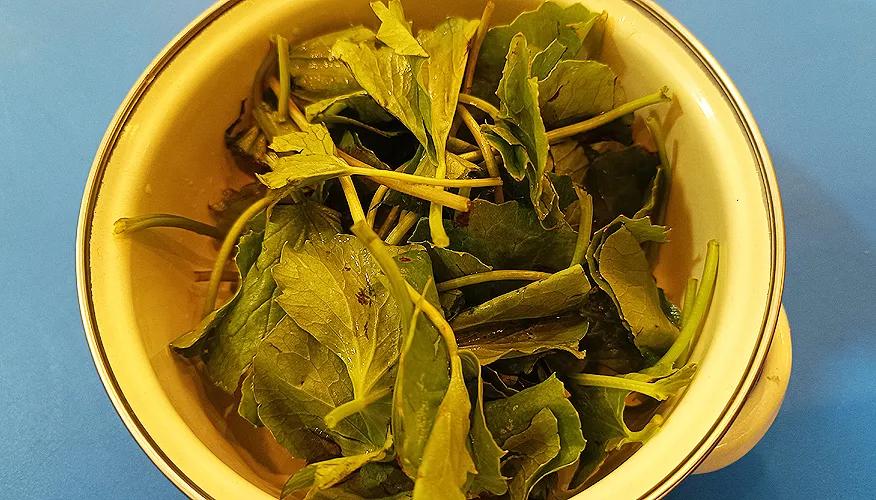
Ulam Pegaga Recipe
Ulam Pegaga is a traditional Southeast Asian salad made primarily with fresh pegaga leaves, also known as Centella asiatica or Gotu Kola. It is commonly enjoyed in Malaysia, Indonesia, and other nearby countries as a healthy and refreshing side dish or herbal salad. The term "ulam" refers to a variety of raw or lightly blanched herbs and vegetables typically served with spicy condiments or sambal. Pegaga leaves, with their slightly bitter and earthy flavor, are prized for their nutritional and medicinal benefits, including improving blood circulation, boosting brain function, and promoting healthy skin.
Steps to Make Ulam Pegaga (Pegaga Salad):
- Get a handful of fresh Pegaga leaves.
- Wash thoroughly and toss them with sliced shallots, diced tomatoes, grated coconut, and a squeeze of lime juice.
- Season with salt and chili for added flavor, if desired.
- Serve as a refreshing side dish.
Potential Side effects and Precautions of Pegaga Leaves
While Pegaga is usually safe when consumed in moderate amounts, certain precautions should be kept in mind:
- Side Effects: Some potential mild side effects could include headache, stomach upset, and dizziness.
- Topical Use: Those with sensitive skin should be cautious as it may cause skin irritation.
- Pregnancy/Lactation: Its safety during pregnancy and breastfeeding is not well established.
- Long-term Use: Prolonged or excessive use of Pegaga could lead to liver toxicity in rare cases. It's recommended to limit intake and take breaks if using supplements.
- Drug Interactions: Pegaga may interact with certain medications, such as sedatives or liver-affecting drugs. It's always wise to consult a healthcare provider before use, especially for those with underlying health conditions or taking other medications.
Conclusion
Pegaga is a timeless herbal remedy that continues to earn recognition for its wide-ranging health benefits.
Celebrated in traditional medicine for centuries, the numerous pegaga benefits—such as improved circulation, enhanced skin health, cognitive support, and digestive aid—make it a valuable addition to modern wellness routines.
Its versatility, whether consumed fresh, brewed into tea, or applied topically, allows for easy integration into daily life, offering a natural way to support overall well-being.
Despite its many strengths, it's important to approach pegaga with mindful use. While its benefits are well-documented, excessive or long-term consumption may lead to side effects or interactions with certain medications.
As with any supplement or herbal remedy, consulting a healthcare provider is advisable, especially for those with preexisting conditions. When used thoughtfully, pegaga can be a gentle yet powerful ally in maintaining health and balance the natural way.
Meet our expert

Meet our expert
Ng Juby is a Registered Nutritionist under the Allied Health Professional Act 774, holding
a Bachelor of Science (Hons) in Nutrition with Wellness from UCSI University.



How was the experience with article?
We'd love to know!