
Isn’t it funny how a small sneeze can instantly transport us to a world of tissues, stuffy noses, and warm bowls of chicken soup?
No matter how diligent we are with our vitamin C intake or how hard we try to steer clear of that coworker with the sniffles, the common cold always seems to find us. A constant battle against this uninvited intruder is part of most of our lives.
It’s baffling, isn’t it? That despite all our precautions and health-centric efforts, the common cold often manages to secure an unsolicited VIP pass into our lives.
But what if we had a powerful green superhero in our corner? Stay tuned as we introduce you to an all-natural weapon that could help you fight off those nasty colds and coughs—the humble Ivy leaf!
The medicinal power of ivy leaf

Ivy leaf, scientifically known as Hedera helix, has been long cherished for its unique medicinal properties. Historically, it was used by our ancestors to treat a range of health problems.
This plant, which is known for its trailing vines and evergreen leaves, is not just a decorative piece in your garden but a powerful herb with significant health benefits.
Ivy leaf has been found to contain a plethora of naturally occurring compounds that are beneficial for our health. Some of these include saponins, flavonoids, and polyacetylenes. These compounds may sound a bit technical, but let’s break it down.
Saponins are natural compounds found in many plants that have anti-inflammatory and immune-boosting properties.
On the other hand, flavonoids are known for their antioxidant activity, which can help protect our body from damage caused by harmful molecules called free radicals.
Polyacetylenes are less well-known but are thought to have antifungal and antibacterial properties.

Remarkable health benefits of ivy leaf
Respiratory well-being
Ivy leaf is well-regarded for its potential benefits to respiratory health.
- Soothing bronchial passages: Ivy leaf extracts contain saponins and other compounds that can help soothe and clear irritated bronchial passages. This makes it a useful natural remedy for individuals suffering from respiratory conditions such as bronchitis and asthma. The soothing effect can ease coughing and improve overall respiratory comfort.
- Supporting lung function: Regular use of ivy leaf extracts may support healthy lung function by promoting mucus clearance. This helps in reducing congestion and ensuring that the respiratory system operates efficiently. The anti-inflammatory properties of ivy leaf also contribute to reducing inflammation in the airways, which can be beneficial for individuals with chronic respiratory issues.
- Usage tips: Ivy leaf can be consumed in teas, tinctures, or supplements. Always follow dosage instructions and consult with a healthcare provider before starting any new supplement, especially if you have existing respiratory conditions.
Skin health
The benefits of ivy leaf extend to skincare, thanks to its antioxidant and anti-inflammatory properties.
- Reducing inflammation: Ivy leaf has natural anti-inflammatory compounds that can help reduce redness and swelling in the skin. This makes it an excellent choice for calming conditions such as acne, eczema, or psoriasis. By alleviating inflammation, ivy leaves help improve the overall appearance and health of the skin.
- Promoting healing: Ivy leaf’s antioxidants help combat free radicals, which can damage skin cells and accelerate the aging process. By neutralizing these harmful molecules, ivy leaves support the skin’s natural healing processes and can contribute to a more youthful and radiant complexion.
- Application methods: Ivy leaf extract can be applied topically in the form of creams or ointments. It is also used in various skincare products designed to address inflammatory skin conditions. For best results, use products that contain standardized extracts of ivy leaf to ensure consistent potency.
Digestive health
Ivy leaf also plays a role in promoting digestive wellness.
- Easing digestive discomfort: The soothing properties of ivy leaf can help alleviate symptoms of digestive discomfort such as bloating, indigestion, and gas. Its gentle action supports the digestive system by reducing inflammation in the gastrointestinal tract and promoting smoother digestion.
- Supporting overall digestion: Ivy leaf can help improve digestive function by promoting the natural movement of the digestive tract. This assists in preventing issues like constipation and helps maintain regular bowel movements.
- Usage suggestions: Ivy leaf can be taken in the form of herbal teas or supplements designed for digestive health. As with any supplement, it’s important to follow recommended dosages and consult with a healthcare provider if you have specific digestive concerns.
Additional benefits
Beyond the primary benefits, ivy leaf offers several other advantages:
- Detoxification: Ivy leaf may aid in the detoxification process by supporting the body’s natural ability to eliminate toxins. Its diuretic properties can help increase urine production, which assists in flushing out waste products and promoting overall health.
- Anti-aging effects: Ivy leaf's antioxidant properties contribute to its anti-aging effects. By protecting skin cells from oxidative stress and promoting cellular repair, ivy leaves can help reduce the appearance of fine lines and wrinkles.
- Mental well-being: Some studies suggest that ivy leaf extracts may have mild sedative effects, which can reduce stress and improve sleep quality. This can be particularly beneficial for individuals dealing with anxiety or insomnia.
Potential side effects and precautions
While ivy leaf offers numerous health benefits, certain precautions should be observed when using it.
Here are some potential side effects worth considering:
- Skin irritation: Some people might experience skin irritation or allergic reactions when using ivy leaf topically.
- Stomach upset: Consuming ivy leaf extracts might lead to minor stomach upset or nausea in some individuals.
- Pregnant and breastfeeding women: Limited information exists on the safety of ivy leaf during pregnancy and breastfeeding, so it's wise to consult with a healthcare provider before using it.
How to incorporate ivy leaf into your diet
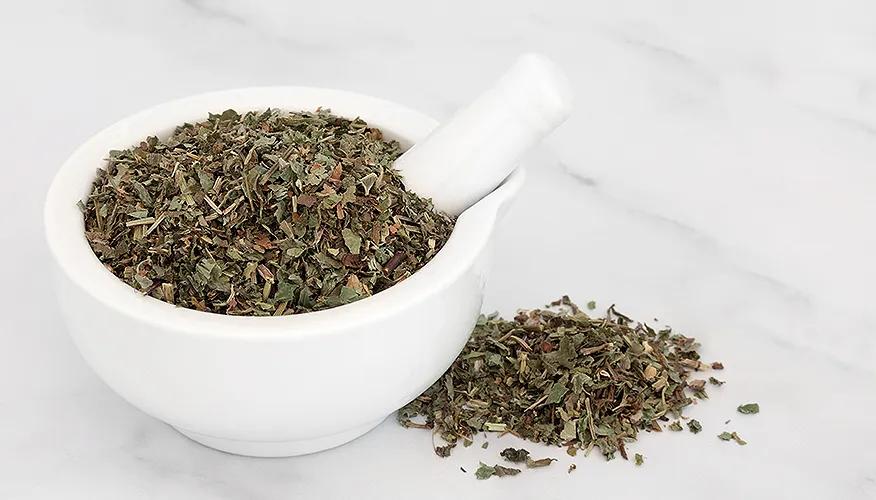
Ivy leaf is a versatile herb with a range of health benefits, and incorporating it into your diet can be both simple and effective.
Here are some practical ways to integrate ivy leaf into your daily meals and snacks:
Ivy leaf tea
- Preparation: One of the most straightforward ways to incorporate ivy leaf into your diet is by drinking ivy leaf tea. To make this tea, steep dried ivy leaves in hot water for 5-10 minutes. You can adjust the strength of the tea based on your taste preference. Consider blending it with other herbs like peppermint or chamomile for added flavor.
- Benefits: Drinking ivy leaf tea can support respiratory health and aid digestion. It provides a soothing effect and can be a relaxing addition to your daily routine. Enjoy a cup of ivy leaf tea in the morning to kickstart your day or in the evening to wind down.
Ivy leaf tinctures
- Usage: Ivy leaf tinctures are concentrated liquid extracts that can be added to water or other beverages. Follow the dosage instructions provided on the tincture bottle or by your healthcare provider. Typically, a few drops are sufficient for each serving.
- Benefits: Ivy leaf tinctures offer a convenient way to benefit from the herb’s properties, especially if you prefer not to drink tea. They are effective for supporting respiratory health and digestive comfort.
Ivy leaf in smoothies
- Preparation: Add a small amount of dried ivy leaf powder or a few drops of ivy leaf tincture to your favorite smoothie. Blend it with fruits, vegetables, and other nutritious ingredients for a health-boosting drink.
- Benefits: Incorporating ivy leaf into your smoothies enhances their nutritional profile, offering respiratory and digestive benefits in a tasty, convenient form. It’s a great way to enjoy the herb’s benefits while adding variety to your diet.
Ivy leaf salad dressing
- Preparation: Infuse your homemade salad dressings with ivy leaves for a unique flavor twist. To create an ivy leaf-infused vinaigrette, combine olive oil, vinegar, and a small amount of dried ivy leaf powder. Let the mixture sit for a few hours to allow the flavors to meld before using it on your salads.
- Benefits: Adding ivy leaf to your salad dressings provides a distinctive flavor and incorporates the herb’s beneficial properties into your meals. It’s an easy way to enjoy the health benefits of ivy leaf while enhancing the taste of your dishes.
Ivy leaf in soups and stews
- Preparation: Add fresh or dried ivy leaves to soups and stews during the cooking process. They can be used as a flavoring herb, similar to how you might use bay leaves or thyme. Remove the leaves before serving, as they can be tough and not suitable for consumption.
- Benefits: Ivy leaf can enrich the flavor of soups and stews while delivering its health benefits. This method helps integrate ivy leaves into your diet without requiring significant changes to your cooking routine.
Ivy leaf supplements
- Usage: Ivy leaf supplements, such as capsules or tablets, are available for those who prefer a more direct approach. Follow the recommended dosage instructions provided on the supplement packaging or by your healthcare provider.
- Benefits: Supplements offer a precise and consistent way to benefit from ivy leaf, particularly for those who may not enjoy its taste in other forms. They provide a convenient option for incorporating ivy leaf into your wellness routine.
Incorporating ivy leaf into baking
- Preparation: Use dried ivy leaf powder in your baking recipes, such as bread or muffins. Incorporate a small amount into the dry ingredients and mix well. Start with a small quantity to gauge its impact on flavor and adjust as needed.
- Benefits: Adding ivy leaf powder to baked goods is a creative way to include the herb’s benefits in your diet. It can enhance the nutritional value of your baked treats while offering respiratory and digestive support.
- EUGICA MOUTH SPRAY

Conclusion
Ivy leaf is more than just a beautiful climber; it’s a potent source of natural medicine. Its medicinal power and numerous health benefits can be a valuable addition to your wellness routine. From respiratory health to skin health and beyond, there are many reasons to make this versatile plant part of your well-being journey.
However, like all natural remedies, it’s essential to exercise caution when using ivy leaf. Always pay attention to any potential side effects and consult with a healthcare professional if you're pregnant, breastfeeding, or have any existing health conditions. With these precautions in mind, ivy leaf can be an effective, natural way to enhance your overall health and well-being.
Meet our expert

Meet our expert
Dr. Pulyk Nataliya Omelanivna is an Internal Medical Expert who is based out of Ukraine. With a special interest in internal medicine Dr Pulyk graduated from the Ternopil National Medical Academy in Ukraine, in the year 2001. Between the years 2002-2009, Dr Pulyk worked as an emergency physician. Her years of work as an emergency physician gave her immense exposure to a range of patients and an opportunity to learn on the job, and gather extensive experience.



How was the experience with article?
We'd love to know!