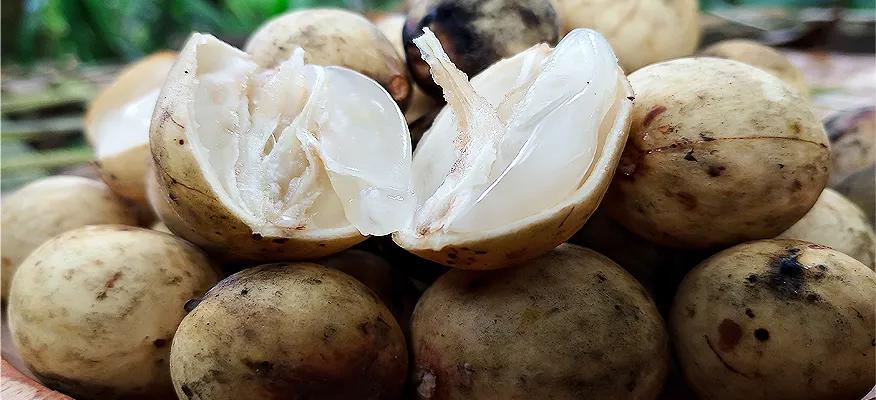
Langsat fruit, also known as lanzones, is a tropical fruit native to Southeast Asia, known for its sweet and tangy taste and packed with numerous health benefits. It is rich in vitamin A, B-complex vitamins, vitamin C, antioxidants, dietary fiber, and essential minerals like calcium, iron, phosphorus, and potassium. These nutrients help improve digestion, prevent constipation, support immune function, and promote healthy skin. The potassium content may help regulate blood pressure and support heart health, while the antioxidants help protect against oxidative damage and may offer anti-cancer benefits. Langsat is also known for its anti-inflammatory and antimicrobial properties, contributing to reduced inflammation and overall wellness. Additionally, its high nutrient content provides natural energy, aids in hydration, and may assist with weight management.
Tucked away in the exotic landscapes of Southeast Asia lies a small, golden fruit with a sweet and tangy flavor that’s as delightful as its name — langsat. This humble fruit, often overshadowed by its more famous cousins like mangoes and bananas, holds an astounding array of health benefits waiting to be unearthed.
Picture this: a fruit that not only tantalizes your taste buds but also supports your well-being in ways you might never have imagined.
As we journey together through the fascinating world of langsat, let’s uncover why this little gem deserves a spot in your daily diet.
What Is Langsat?
- Langsat, also known as lanzone, is a tropical fruit native to Southeast Asia, particularly found in countries like Malaysia, Indonesia, the Philippines, Thailand, and Brunei.
- The fruit grows on the Lansium domesticum tree, a medium-sized evergreen from the Mahogany family (Meliaceae), which can reach up to 30 meters in height.
- It begins bearing clusters of langsat fruit after about 3 to 4 years and can continue producing for over a century.
- The fruit itself is small, round to oval, and measures around 3 to 5 cm in diameter, with thick, yellowish skin that turns light brown when ripe.
- Inside, it reveals juicy, translucent segments with a sweet or mildly tart flavor, depending on the variety and climate.
- Though the seeds are bitter and inedible, langsat is widely appreciated not only for its refreshing taste but also for its nutritional value.
- In recent years, it has attracted attention in regions like East Africa, where people have begun to explore the benefits of langsat, both as a food and for its traditional uses.
Nutritional value of Langsat
The nutritional profile of langsat is quite impressive. Here's a table breaking it down for every 100g serving:
| Nutrient | Amount per 100 g |
| Energy | 57–66 kcal |
| Carbohydrates | 9.5–15.3 g |
| Protein | 0.8–1 g |
| Fat | 0.1 g |
| Dietary Fiber | 0.8–2.3 g |
| Calcium | 19–20 mg |
| Phosphorus | 30–35 mg |
| Iron | 0.7–0.9 mg |
| Potassium | 230–275 mg |
| Sodium | 1–12 mg |
| Vitamin A | 13–15 IU |
| Vitamin C | 1–46 mg |
| Thiamine (B1) | 0.008–0.089 mg |
| Riboflavin (B2) | 0.02–0.124 mg |
| Niacin (B3) | 0.1–0.9 mg |
Note, these values can vary depending on the origin of the fruit and its ripeness.
Top Health Benefits of Langsat
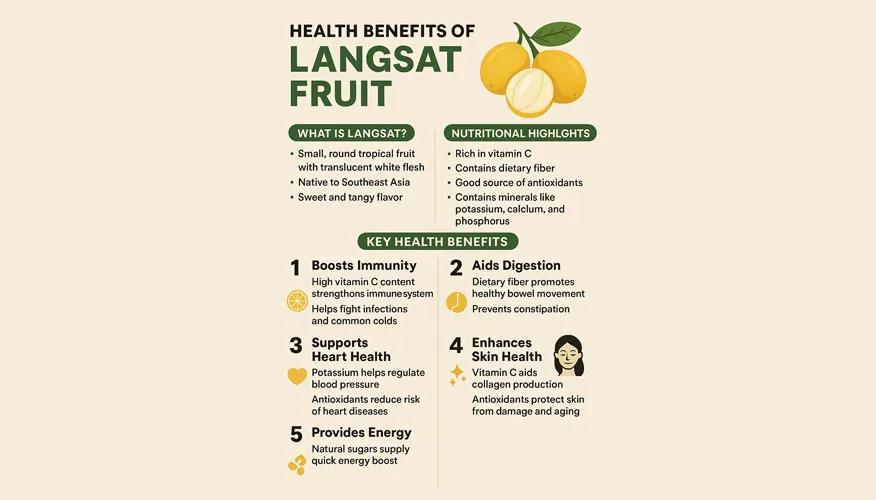
Known for its sweet, tangy flavor and juicy texture, langsat (Lansium domesticum) is more than just a tropical delight. Packed with essential vitamins, antioxidants, and natural plant compounds, langsat offers a wide range of health benefits that support overall wellness. Here are some of the langsat benefits:
1. Langsat Enhances Eye Health
Langsat contains vitamin A, an essential nutrient for maintaining good vision and overall eye health. Vitamin A helps protect the surface of the eyes, supports night vision, and reduces the risk of age-related eye conditions. Including langsat in your diet can contribute to clearer, healthier eyesight and long-term visual wellness.
2. Langsat Strengthens the Immune System
The high vitamin C content in langsat boosts immune function by enhancing the body’s ability to fight off infections. Regular consumption may help shorten the duration of colds and flu, while also supporting faster recovery.
3. Langsat Supports Digestive Health
Langsat is an excellent source of dietary fiber, which promotes healthy digestion, prevents constipation, and maintains regular bowel movements. Traditionally, its bark and peel have been used in natural remedies to treat diarrhea and dysentery, making this fruit beneficial for both regular digestion and occasional digestive issues.
4. Langsat Boosts Energy Naturally
Langsat contains B-complex vitamins like riboflavin and thiamine, which support red blood cell production and play a vital role in breaking down carbohydrates into usable energy. Combined with the fruit’s natural sugars, these nutrients help boost energy levels, making langsat a revitalizing and nutritious snack—especially beneficial during periods of fatigue or physical activity.
5. Langsat Helps Regulate Blood Pressure
Langsat is naturally rich in potassium, a vital mineral that plays a key role in maintaining healthy blood pressure levels. Potassium helps balance the effects of sodium in the body and supports proper function of the heart and blood vessels. Regular consumption of langsat may aid in preventing hypertension, thereby reducing the risk of heart attacks, strokes, and other cardiovascular conditions.
6. Langsat Help in Weight Management
Low in calories and high in fiber, langsat helps you feel full longer, curbing unnecessary snacking and overeating. Its light sweetness makes it a satisfying, guilt-free treat for those watching their weight.
7. Langsat Helps Reduce Fever
In traditional medicine, langsat has been used as a natural remedy to help reduce fever. Crushed langsat seeds are believed to have cooling properties that assist in lowering body temperature. Combined with its high vitamin C content, which supports the immune system, langsat may help the body recover more quickly from fever and related symptoms.
8. Langsat Provides Antioxidant and Anti-Cancer Protection
Langsat contains powerful antioxidants, including limonoids, which help neutralize harmful free radicals. These compounds may contribute to cancer prevention and also slow down signs of aging by protecting cells from oxidative stress.
9. Langsat Supports Red Blood Cell Production
B vitamins like riboflavin and thiamine in langsat are essential for red blood cell production. These nutrients also support metabolism and overall growth, helping the body function efficiently.
10. Langsat Helps Fight Malaria Naturally
Langsat seeds, bark, and leaves have been traditionally studied for their potential anti-malarial properties. They contain natural compounds that may help inhibit the growth of Plasmodium falciparum, the parasite responsible for causing malaria. Though still under research, langsat’s natural therapeutic compounds offer promising support in combating malaria in traditional medicine practices.
11. Langsat Acts as a Natural Mosquito Repellent
An interesting traditional use of langsat involves its fruit peel, which, when dried and burned, emits a pleasant aroma that also helps repel mosquitoes. This makes langsat a useful natural alternative for keeping mosquitoes at bay, especially in tropical climates.
12. Langsat Treats Skin Conditions Topically
Apart from nourishing the skin from within, langsat’s rind can be applied externally to relieve common skin problems such as acne, rashes, itching, and redness. Its anti-inflammatory properties help soothe the skin, making it a gentle, natural remedy for minor skin irritations.
13. Langsat Provides Relief from Gastrointestinal Discomfort
The resin from langsat bark has been traditionally used to relieve gastrointestinal colic, bloating, and ulcers. In some folk remedies, it’s also applied to soothe pain from insect bites and scorpion stings. These anti-inflammatory properties support its use in managing digestive and topical inflammation.
14. Langsat Fruit for Hydration
Langsat is made up of a high percentage of water, making it an excellent fruit for hydration, especially during hot weather. Its juicy, refreshing nature helps replenish lost fluids and keeps the body cool and energized throughout the day.
15. Langsat Supports Heart Health with Polyphenols
In addition to being cholesterol-free and rich in potassium, langsat also contains polyphenols—natural antioxidants that support heart health by reducing inflammation and protecting blood vessels from oxidative damage. These compounds may help lower the risk of heart disease and improve overall cardiovascular function.
16 Langsat Promotes Youthful Skin
Langsat is rich in antioxidants like vitamin C and flavonoids that help combat free radical damage, one of the main causes of premature aging. These compounds support collagen production, improve skin elasticity, and reduce signs of aging such as fine lines and wrinkles. Regular consumption of langsat can help maintain a smooth, radiant, and youthful complexion.
17. Langsat Maintains Healthy Teeth and Tissues
Langsat is a good source of vitamin A, which plays a crucial role in maintaining the health of teeth, gums, and body tissues. This vitamin supports the regeneration of skin cells, strengthens mucous membranes, and helps keep skeletal and connective tissues strong. Regular intake of langsat can contribute to overall oral health and support the body's natural repair processes.
18. Langsat May Soothe Respiratory Conditions
Langsat is traditionally used to help ease symptoms of colds, flu, and mild respiratory issues. Its high vitamin C content supports the immune system, while its anti-inflammatory properties may help reduce throat irritation and congestion. Though not a direct treatment, consuming langsat can provide natural relief and support respiratory comfort during seasonal illnesses.
19. Langsat Reduces Inflammation
Langsat contains natural compounds found in its bark, seeds, and peel that exhibit anti-inflammatory properties. Traditionally, its bark resin has been used to relieve swelling, gastrointestinal discomfort, ulcers, and even allergic reactions from insect stings. These natural anti-inflammatory effects may help soothe internal and external inflammation, supporting overall wellness.
20. Langsat Supports Liver Health
Langsat is rich in antioxidants and plant-based compounds that may help protect the liver from oxidative stress and toxin-related damage. These antioxidants assist in neutralizing harmful free radicals, potentially improving liver function and supporting the body’s natural detoxification processes. Regular consumption of langsat may contribute to better liver health over time.
Traditional uses of Langsat Fruit
The langsat fruit and its tree have long been valued in traditional medicine across Southeast Asia.
Various parts of the plant—including the bark, peel, seeds, and fruit—have been used for a wide range of health-related purposes:
- Digestive disorders: The bark of the langsat tree has been used as an astringent to help treat diarrhea, dysentery, and other gastrointestinal issues.
- Fever and inflammation: Langsat fruit has traditionally been used to help lower body temperature and reduce inflammation during fevers and viral illnesses.
- Malaria and parasitic infections: Both the bark and seeds have been used in traditional remedies to combat malaria and other parasitic conditions.
- Wound healing and skin care: Thanks to its natural astringent properties, langsat extract has been applied to wounds to promote healing and used in skin treatments to reduce irritation.
- Eye irritation and treats ulcers: Diluted langsat extracts have been used as a wash for soothing eye irritations and applied topically for the treatment of ulcers.
- Respiratory ailments: The fruit has been used in folk medicine to help relieve coughs, bronchitis, and other respiratory infections.
- Mosquito repellent: The peel of the langsat fruit contains compounds that are known to naturally repel mosquitoes and other insects.
- Incense: Dried langsat peel and wood have also been traditionally burned as incense, valued for their aroma and insect-repelling properties.
How to use Langsat?
Langsat can be enjoyed in its raw form or incorporated into various recipes. Here are some ways to enjoy it:
- Langsat fruit can be eaten fresh—just peel the skin, remove the bitter seeds, and enjoy the sweet-tart segments.
- Add buah langsat to fruit salads or enjoy it as a light dessert.
- Use langsat in salsas with onion, cucumber, chili, and lime for a tropical twist.
- Blend langsat with coconut milk and honey for smoothies.
- Cook duku langsat with sugar to make jams, jellies, or candied fruit.
- Mix langsat juice with lychee or pomegranate for refreshing mocktails.
- Dried langsat peel can be used as incense or natural mosquito repellent.
Potential Side Effects of Langsat
While langsat offers numerous health benefits, it's essential to be aware of potential side effects:
- Toxicity of seeds and peel: Both the seeds and peel of langsat contain bioactive compounds that can be toxic when consumed in large amounts. The peel is known to be toxic to domestic animals and has been used for arrow poison in some cultures.
- Astringency: Unripe langsat contains tannins that can cause a harsh, astringent sensation on the tongue, palate, and throat.
- Allergic reactions: Although rare, topical use of langsat extracts may cause mild skin irritation or allergic reactions in sensitive individuals.
- Blood sugar considerations: Since langsat is relatively high in natural sugars, people with diabetes should consume it in moderation to avoid spikes in blood glucose levels.
Langsat vs. Duku: Key differences
Langsat and Duku are closely related varieties of fruit, but they do have some key differences:
| Feature | Langsat (Lansium domesticum) | Duku (Lansium parasiticum) |
| Appearance | Small, round or oval, with a thin, yellowish skin that turns light brown when ripe | Similar in size and shape, but skin is thicker and more yellow-brown |
| Taste | Sweet-tart, juicy flesh | Sweeter and less tart than langsat |
| Texture | Translucent, juicy segments | Flesh is slightly firmer and less juicy |
| Seeds | Bitter, inedible seeds | Seeds are smaller, less bitter |
| Origin | Native to Southeast Asia | Also native to Southeast Asia, closely related to langsat |
| Traditional Uses | Used for digestive health, fever reduction, and as a mosquito repellent | Primarily used in traditional remedies for digestive issues |
| Seasonality | Available seasonally, typically from August to November | Available seasonally, usually in the same period as langsat |
| Tree Size | Grows up to 30 meters, evergreen | Smaller tree, also evergreen, but typically not as tall as langsat |
| Culinary Uses | Fresh, in salsas, smoothies, jams, and mocktails | Mostly eaten fresh, used in desserts and jams |
Conclusion
Langsat is not just a delicious tropical fruit but also a treasure trove of health benefits. It packs a nutritional punch with its rich profile of vitamins and minerals, helps boost immunity, supports digestion and heart health, and even offers antioxidant and anti-cancer protection.
Additionally, its traditional uses in treating various ailments further underscore the langsat benefits to health.
However, like any other food item, it is important to consume langsat in moderation, keeping in mind potential side effects like the toxicity of its seeds and peel, its astringency, and effects on blood sugar levels.
Individuals with known allergies should also exercise caution when using langsat-based skincare products. In any case, the pros certainly outweigh the cons, making langsat a worthy addition to the diet and a valued part of traditional medicinal practices.
Meet our expert

Meet our expert
Amira is a Registered Dietitian under the Allied Health Professions Act 774, holding a
Bachelor of Health Sciences (Hons) in Dietetics from Universiti Sains Malaysia (2021).



How was the experience with article?
We'd love to know!