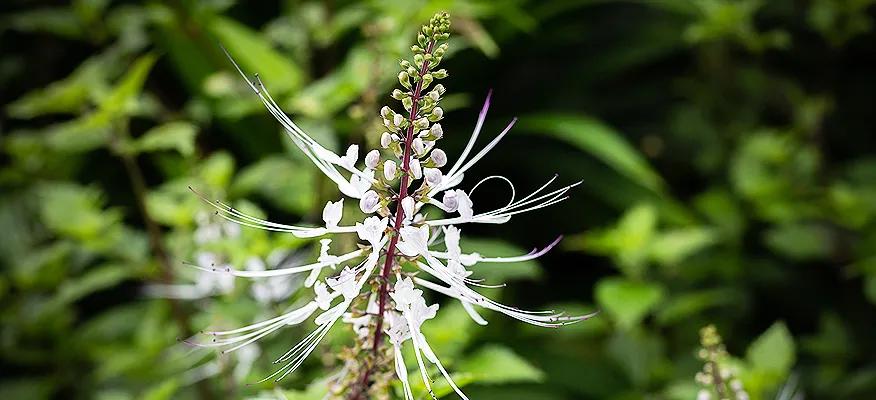
Misai Kucing, also known as Cat’s Whiskers, Java Tea or Orthosiphon stamineus, is a Southeast Asian herb traditionally consumed as a herbal tea. It gets its name from its distinctive flowers, whose long stamens resemble a cat’s whiskers. Traditionally used to support urinary health, Misai Kucing is known for its diuretic properties, which may help promote urination and the elimination of excess fluid from the body.
The herb contains naturally occurring antioxidants and plant compounds, including flavonoids, that have been studied for their antioxidant and anti-inflammatory properties. Research has also explored its potential effects on kidney and urinary health, fluid balance, blood pressure and blood glucose. However, more human research is needed to confirm many of these potential benefits.
In this guide, learn about Misai Kucing benefits, Misai Kucing tea benefits, its traditional uses, how to prepare and drink Misai Kucing tea, possible side effects, safety considerations, and what scientific research says about this traditional herb.
Who would have thought that a plant named after a cat's whiskers could hold the key to wellness? Meet Misai Kucing, known in English as ‘Cat's Whiskers’.
With its slender, whisker-like flowers and striking green leaves, Misai Kucing — literally translated as cat’s whiskers—is hard to miss.
In countries like Malaysia and Indonesia, this unique-looking plant isn’t just admired for its beauty. It’s been brewed into teas, boiled into decoctions, and passed down as a trusted remedy for generations.
Across Southeast Asia, Misai Kucing is a go-to herb for flushing out toxins, supporting kidney health, and managing blood sugar.
In East Africa, where herbal knowledge is deeply intertwined with daily life, similar plants are used for urinary tract health and inflammation—showing just how universal plant wisdom can be, even across continents.
Whether you’ve sipped Misai Kucing tea after a heavy meal in Bangkok, or seen your elders use it in home treatments in Dar es Salaam, one thing is clear: this unique herb has charmed its way into the hearts of many for its remarkable health benefits.
Curious about how this little plant can enhance your health journey? Stick around as we dive into the misai kucing benefits.
What is Misai Kucing?
Misai Kucing, also known as Orthosiphon stamineus, is a well-known medicinal herb native to the tropical regions of Southeast Asia, particularly Malaysia and Indonesia. In English, it is commonly referred to as "cat’s whiskers" or "Java tea," due to its distinctive flower structure that features long, slender stamens resembling a cat’s whiskers. The name “misai kucing” is derived from the Malay language, translating directly to "cat’s whiskers."
This perennial herb is highly valued in traditional herbal medicine for its wide range of health-supporting properties. Traditionally brewed as a herbal tea or taken as a supplement, Misai Kucing has been used for generations to support kidney function, promote detoxification, and improve overall wellness.
It is rich in natural compounds such as flavonoids, polyphenols, and essential oils that contribute to its antioxidant, anti-inflammatory, and diuretic effects. These active compounds not only help to flush out toxins but also support blood sugar balance, reduce blood pressure, ease joint pain, and boost the immune system.
Today, modern scientific research continues to back many of the traditional uses of Misai Kucing, expanding our understanding of how this herb can benefit various aspects of health. With its striking appearance and impressive healing potential, Misai Kucing remains a treasured natural remedy across Southeast Asia and beyond.
Nutritional Profile of Misai Kucing
These constituents contribute to the herb's diverse medicinal effects and underpin the misai kucing benefits:
- Flavonoids: Misai kucing is rich in flavonoids, which have antioxidant properties. The most notable flavonoids in misai kucing are sinensetin, luteolin, and rosemarinic acid. These compounds are believed to help reduce inflammation, lower blood pressure, and fight oxidative stress.
- Tannins: These are compounds with antioxidant and antimicrobial properties. Tannins can have astringent effects and may contribute to the herb’s medicinal properties.
- Essential Oils: The plant contains essential oils, which may have anti-inflammatory, analgesic, and antimicrobial effects.
- Minerals: Misai kucing has small amounts of important minerals such as potassium and calcium, which contribute to general health, including bone strength and maintaining fluid balance in the body.
- Phenolic Acids: These compounds, which include caffeic acid and chlorogenic acid, are known for their antioxidant and anti-inflammatory benefits.
- Saponins: Present in misai kucing, saponins can have mild diuretic effects and may help in lowering cholesterol.
Top Health Benefits of Misai Kucing (Cat’s Whiskers)
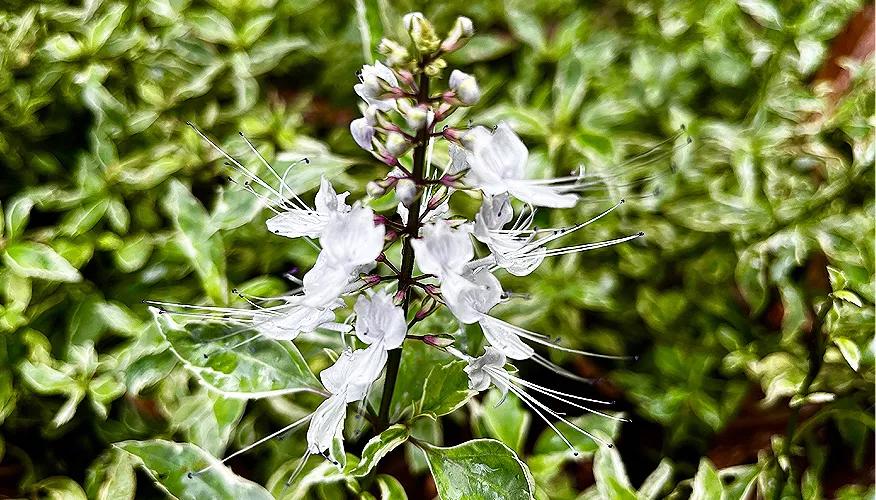
Misai Kucing, also known as Orthosiphon stamineus or Cat’s Whiskers, is a traditional medicinal herb widely used in Southeast Asia. Recognizable by its unique, whisker-like flowers, this herbal plant has been valued for generations due to its ability to naturally treat a variety of health conditions. Rich in antioxidants, flavonoids, and essential phytochemicals, Misai Kucing supports overall wellness through detoxification, anti-inflammatory action, and more. Below are the top benefits of this powerful healing herb:
1. Misai Kucing Acts as a Natural Diuretic
Misai Kucing is best known for its excellent diuretic properties, making it a natural solution for water retention and toxin removal. The herb contains specific phytochemicals that help relax the muscles in the walls of internal blood vessels, allowing for smoother urine flow and easier expulsion of waste from the body. This helps flush out excess water, salts, and even small kidney stones. Unlike synthetic diuretics, Misai Kucing is rich in potassium, which helps replenish the electrolytes lost during urination. Its diuretic action is also effective in managing gout, high blood pressure, and urinary tract infections.
2. Misai Kucing Purifies the Kidneys and Eliminates Toxins
One of the traditional uses of Misai Kucing is for cleansing the kidneys and supporting their natural detoxification functions. By increasing urine output and promoting toxin drainage, it helps prevent the buildup of harmful substances in the body. Regular use may protect kidney tissues, prevent infections, and promote better filtration function. It’s especially helpful for individuals dealing with water retention or mild kidney-related issues, and it does so without the side effects commonly seen with synthetic medications.
3. Misai Kucing Reduces High Blood Pressure
The herb has shown promising results in helping manage hypertension, thanks to its dual action. First, its diuretic effect reduces fluid and sodium levels in the bloodstream, naturally lowering blood pressure. Second, a compound found in Misai Kucing called Methylripariochrome A helps relax and dilate blood vessels, improving blood flow and reducing pressure on the heart. This makes it a natural and effective remedy for people seeking to control blood pressure without heavy reliance on prescription drugs.
4. Misai Kucing May Support Healthy Blood Sugar Levels
Scientific studies, particularly those involving diabetic laboratory rats, have shown that whole extracts of Misai Kucing significantly lower blood glucose levels. The antioxidants and plant compounds in the herb improve insulin sensitivity, which helps the body regulate blood sugar more effectively. Its anti-diabetic effects make it a helpful natural supplement for managing type 2 diabetes or supporting healthy glucose levels in those at risk.
5. Misai Kucing Reduces Inflammation and Gout Symptoms
Misai Kucing is commonly used to relieve joint pain and swelling, especially in individuals suffering from gout and arthritis. It contains powerful anti-inflammatory agents such as flavonoids and saponins that help ease pain and discomfort in muscles and joints. By promoting the elimination of uric acid through urine, it addresses the root cause of gout flare-ups. Whether used as a tea or supplement, Misai Kucing can help manage inflammation and improve joint mobility naturally.
6. Misai Kucing Acts as a Powerful Antioxidant
Misai Kucing is loaded with polyphenols, flavonoids, saponins and other antioxidants that fight free radicals, which are harmful molecules that damage cells and DNA. This antioxidant effect helps reduce the risk of chronic diseases such as heart disease, cancer, and premature aging. Regular consumption of Misai Kucing supports cellular protection, enhances immune response, and contributes to overall health and vitality.
7. Misai Kucing May Help Lower Cholesterol Levels
Research has indicated that Misai Kucing can help reduce LDL (bad) cholesterol by inhibiting an enzyme involved in the buildup of fatty plaques in the arteries. Interestingly, the whole plant extract was found to be more effective than isolated flavonoids, due to a synergistic effect of its bioactive compounds. This benefit supports heart health, reduces the risk of atherosclerosis, and improves overall blood circulation.
8. Misai Kucing Shows Potential in Fighting Tumor Growth
Emerging research has revealed that Misai Kucing may have tumor-inhibiting properties, especially against certain types of cancer like skin cancer. In laboratory studies, cancer cell lines showed reduced activity when exposed to Misai Kucing extracts. While more clinical research is needed to confirm its anti-cancer potential in humans, these early results are promising and suggest a role in natural cancer prevention strategies.
9. Misai Kucing Enhances Liver Detoxification
Misai Kucing has been traditionally used to support liver function and promote liver detoxification. Its natural compounds help protect liver cells from oxidative stress and inflammation. This makes it useful in traditional remedies for conditions such as fatty liver, hepatitis, and overall liver detox. By enhancing bile production and reducing liver inflammation, it contributes to better digestion and metabolic function.
10. Misai Kucing Supports Weight Management
Due to its diuretic and detoxifying properties, Misai Kucing is sometimes included in herbal blends for weight loss and body cleansing. It helps flush out excess fluids, reduce bloating, and improve digestion. While not a fat-burning herb, it can support a healthy weight management routine when combined with a balanced diet and active lifestyle.
11. Misai Kucing May Help Reduce Uric Acid Levels
Beyond its role in relieving gout pain, Misai Kucing helps lower uric acid levels in the blood, which is crucial in preventing future gout attacks and managing uric acid buildup in the joints. This makes it a preventive remedy for those prone to hyperuricemia.
12. Misai Kucing Boosts the Immune System
Thanks to its high antioxidant and anti-inflammatory content, Misai Kucing may also contribute to a stronger immune system. By protecting cells from free radical damage and supporting the body’s natural detox pathways, it enhances the body's defense mechanisms against infections and chronic inflammation. Misai Kucing is rich in flavonoids and antioxidants, it not only detoxifies the body but also enhances immune defense, protecting against infections and environmental stress. Thanks to its immune-modulating and antibacterial properties, Misai Kucing may help enhance the body’s natural defense against infections. Its compounds help strengthen immune response, combat pathogens, and protect cells from oxidative stress, promoting overall resilience and vitality.
13. Misai Kucing May Ease Menstrual Discomfort
In traditional herbal practices, Misai Kucing has been used to relieve menstrual pain, reduce bloating, and regulate the menstrual cycle. Its anti-inflammatory and diuretic effects help ease abdominal cramps and fluid retention commonly experienced during menstruation.
14. Misai Kucing Promotes Skin Health
With its antioxidant, anti-inflammatory, and detoxifying properties, Misai Kucing can benefit skin health from the inside out. By cleansing the blood and reducing internal inflammation, it may help improve conditions like acne, eczema, psoriasis or dull skin. When consumed regularly, it contributes to a clearer, healthier complexion.
15. Misai Kucing Supports Urinary Tract Health
Misai Kucing promotes healthy urinary function by helping flush out bacteria from the bladder and urinary tract. Its antibacterial and anti-inflammatory properties make it useful in managing urinary tract infections (UTIs), mild bladder issues, and kidney infections, promoting overall urogenital health.
16. Misai Kucing Improves Digestion and Bowel Movement
Traditionally, Misai Kucing has been used to support digestive health. It offers a mild laxative effect that can help relieve constipation, support healthy bowel movements, and ease symptoms of indigestion or gastritis. Its detox effects also support better nutrient absorption.
It’s essential to remember that while misai kucing offers numerous potential health benefits, these benefits should not replace standard medical treatment. Always consult with a healthcare provider before starting any new remedy or herbal supplement.
Botanical Description of Misai Kucing
- In terms of botanical description, misai kucing is a herbaceous shrub that typically grows between 40 to 80 cm in height.
- The plant features a quadrangular stem that is erect, branched, and has a reddish hue. The leaves of the plant are opposite, short-petioled, and ovate-lanceolate with coarsely serrated or dentate margins.
- The upper leaf surface is brownish-green, while the underside is gray-green with prominent veins and glandular dots.
- The flower arrangements are whorls with a blue to light violet corolla and long, protruding white filaments that give the plant its common name.
- Attracting bees, butterflies, and hummingbirds due to its nectar-rich flowers, the plant is not just medicinal but also serves as an aid to the ecosystem.
Uses of Misai Kucing
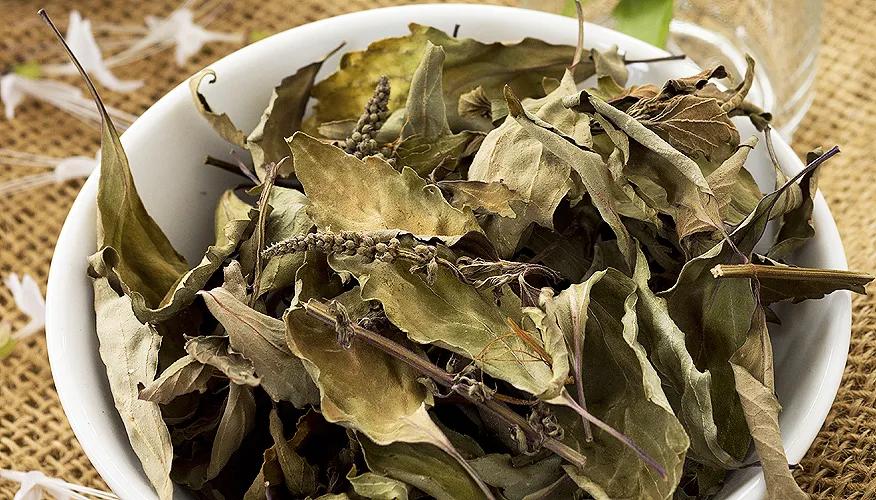
- Misai kucing is used mainly in three forms: as a herbal tea, in traditional remedies, and as an ornamental plant.
- The dried leaves of the plant are brewed to make a herbal tea known as "Java tea," which is popular in Southeast Asia and Europe for its health benefits.
- As a traditional remedy, the plant is used for urinary tract health, as a mild diuretic, and to manage hypertension, gout, and diabetes.
- Besides its medicinal uses, misai kucing is also cultivated for its attractive flowers and as a pollinator-friendly plant.
How to prepare Misai Kucing tea?
Misai Kucing tea, also known as Java Tea, is a herbal tea made from the leaves of the Orthosiphon stamineus plant. Native to Southeast Asia, especially Malaysia and Indonesia, this plant gets its name "Misai Kucing" from its cat-whisker-like flowers ("misai kucing" means "cat's whiskers" in Malay).
This tea is popular in traditional medicine for its numerous health benefits, particularly for supporting kidney function, reducing inflammation, relieving gout, and acting as a natural antioxidant. It is typically consumed by boiling the dried leaves and drinking the resulting herbal infusion.
To prepare Misai Kucing Tea:
- Use 1–2 grams of dried misai kucing leaves per cup.
- Pour boiling water over the leaves and let steep for 5–10 minutes.
- Strain the tea and drink as needed, up to 2–3 times daily.
The tea has a characteristic bitter taste that can be sweetened if desired.
Possible Side Effects and Precactions of Misai Kucing
While misai kucing is generally safe for most people when consumed as a herbal tea, it is important to take certain precautions.
Due to its strong diuretic properties, excessive consumption may lead to dehydration or electrolyte imbalances.
The use of misai kucing during pregnancy and breastfeeding has not been well established; hence, it is advised to consult a healthcare provider before use. Rarely, individuals may experience allergic responses to the plant.
Also, misai kucing may interact with diuretics, antihypertensive, or diabetes medications, enhancing their effects. Thus, seeking medical advice is advised if you are on chronic medication.
Conclusion
Misai kucing is an intriguing medicinal herb with a rich history of use in Southeast Asia.
Its myriad health benefits, especially for promoting kidney health, make it a valuable player in the realm of traditional medicine.
Beyond its medicinal prowess, misai kucing is also gaining recognition for its culinary uses and ornamental value. As the world continues its journey towards embracing natural remedies, misai kucing stands as a promising herb that seamlessly merges traditional wisdom with modern applications.
Misai kucing's versatile applications and significant health benefits make it a beacon of sustainable healthcare. It serves as a symbol of the immense potential that plants hold for our well-being. Therefore, understanding the misai kucing benefits helps us appreciate the diverse ways nature contributes to our health and quality of life.
Meet our expert

Meet our expert
Amira is a Registered Dietitian under the Allied Health Professions Act 774, holding a
Bachelor of Health Sciences (Hons) in Dietetics from Universiti Sains Malaysia (2021).



How was the experience with article?
We'd love to know!