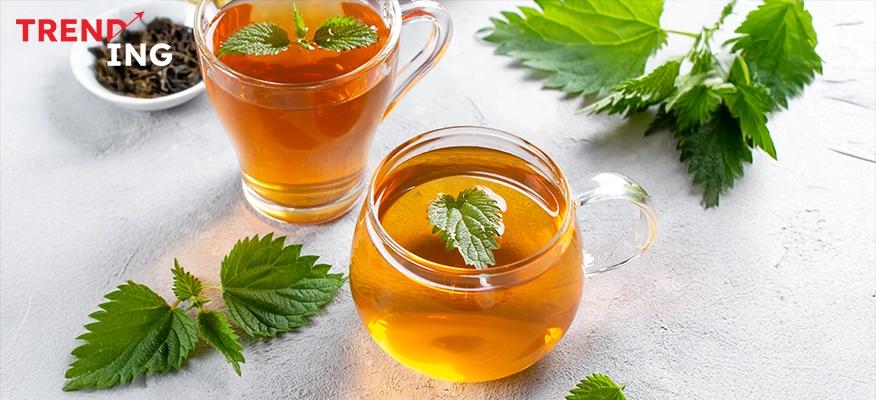
Nettle tea might not be as famous as green tea or chamomile, but it’s been quietly doing its job in the world of herbal remedies for centuries in wellness practices across Europe, Asia, and Africa. Made from the leaves of the stinging nettle plant, it’s gaining renewed interest for its potential to support the liver, soothe inflammation, and provide a natural source of essential nutrients.
So, what is nettle tea good for? Let’s explore its benefits, how to make it, and why it might be worth adding to your daily routine.
What is nettle leaf?
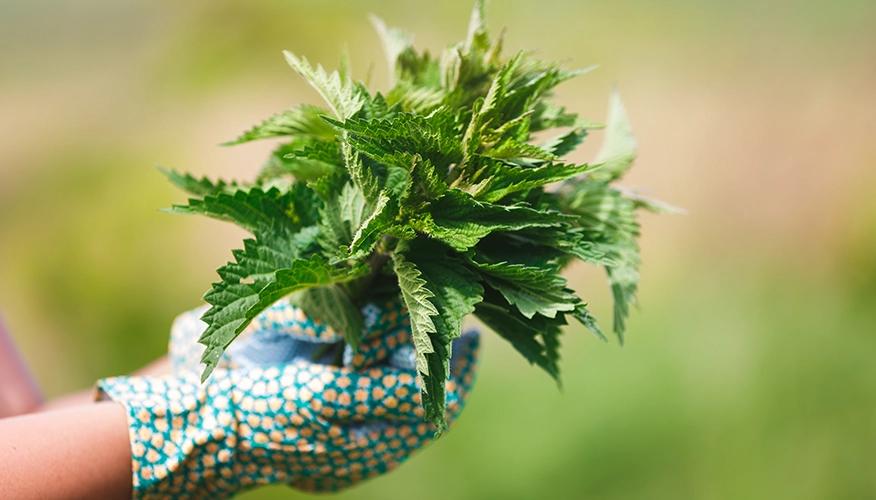
Nettle leaf comes from the wild stinging nettle plant, which grows in many parts of the world, including Europe, Asia, and Africa. It's fine, hair-like structures can cause a temporary sting when touched raw. But once the leaves are dried or boiled, they become completely safe and nourishing.
Traditionally, nettle has been used in teas, soups, and tonics to support joint comfort, immune health, and allergy relief. Today, it’s best known as a gentle herbal tea rich in nutrients and plant compounds.
What’s in nettle leaf?
- Vitamins: A, C, K, and several B vitamins
- Minerals: Iron, magnesium, calcium, potassium
- Plant compounds: Flavonoids and polyphenols with antioxidant and anti-inflammatory properties
This nutritional combination makes nettle more than just a warm drink—it’s a functional herb with potential benefits for several body systems.
Top nettle tea benefits

Nettle tea combines the benefits of nettle leaf with the simplicity of a warm, soothing drink. When consumed regularly, it may support several key areas of health.
1. Supports liver health
Your liver is responsible for processing toxins, hormones, medications, and metabolic waste. Over time, an overload of processed foods, alcohol, or a sedentary lifestyle can put stress on the liver, sometimes leading to non-alcoholic fatty liver disease (NAFLD).
Some studies suggest that compounds in nettle leaf may support liver health by reducing oxidative stress and inflammation in liver cells. In one study, people with NAFLD who took nettle extract showed improved liver enzyme levels and enhanced antioxidant status.
Drinking nettle tea regularly may be a helpful step in a broader approach to managing or preventing fatty liver disease, especially when combined with a healthy diet and lifestyle.
2. Natural anti-inflammatory support
Chronic inflammation is a root cause of many long-term health issues, including joint pain, heart disease, and metabolic problems. Nettle tea may offer a mild, plant-based way to support inflammation control.
Nettle leaf contains bioactive compounds like quercetin and other polyphenols that may help regulate the body’s inflammatory response. Some studies even suggest that nettle extract could reduce inflammatory markers in people with conditions like arthritis.
3. Relief from seasonal allergies
Another traditional use for nettle tea is easing seasonal allergy symptoms. The plant’s natural antihistamine effects may help reduce sneezing, nasal congestion, and itchy eyes caused by pollen and other environmental triggers.
A study published in Phytotherapy Research found that nettle extract blocked key receptors involved in allergic responses, offering potential relief for hay fever sufferers. Drinking a cup of nettle tea during allergy season may be a gentle, supportive habit to include in your routine.
4. Supports kidney and urinary tract health
Nettle tea acts as a mild diuretic, which means it can encourage the body to release excess fluids and sodium. Traditionally, this has made it helpful for reducing bloating or supporting kidney and urinary tract function.
By gently flushing out waste and promoting fluid balance, nettle tea may aid the body’s natural detox systems, particularly when consumed regularly and as part of an overall hydration routine.
5. Support blood sugar management
Nettle has shown some promising effects on blood glucose control, especially in people with type 2 diabetes. It contains compounds that may support the pancreas in producing or releasing more insulin, the hormone that helps lower blood sugar levels.
In one study, people with type 2 diabetes who were already on insulin and oral medication experienced improvements in both fasting blood glucose and HbA1c levels after taking nettle leaf extract for several weeks.
While nettle tea is not as concentrated as an extract, it still contains many of the same plant compounds. When consumed regularly, as part of a balanced lifestyle, it may offer gentle support for daily blood sugar regulation, especially for those managing insulin resistance or metabolic concerns.
How to make nettle tea
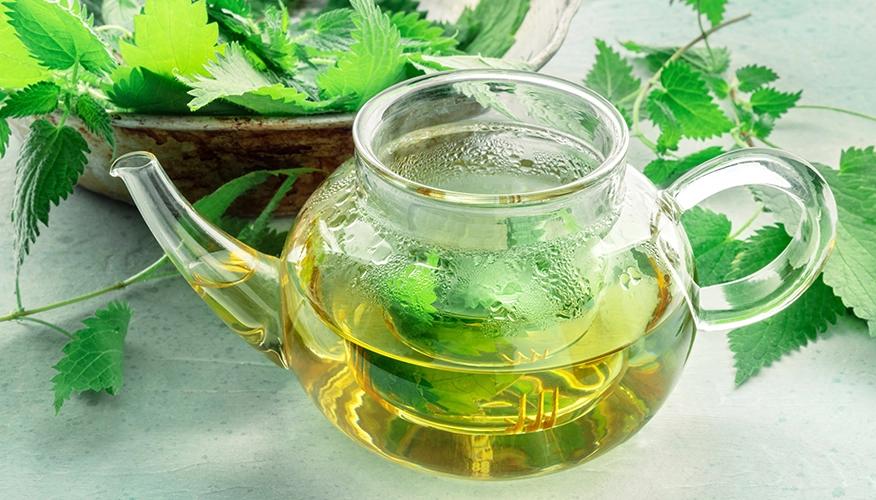
Nettle tea is easy to make at home using dried nettle leaves or pre-packaged nettle tea bags. Here’s how to brew it:
You’ll need:
- 1 teaspoon of dried nettle leaf (or 1 tea bag)
- 1 cup of hot water
- Optional: lemon slice, ginger, mint, or honey for flavor
Instructions:
- Boil water and pour it over the nettle leaves or tea bag.
- Cover and let steep for 5 to 10 minutes.
- Strain if using loose leaves, and sip slowly.
You can enjoy it hot or chilled over ice. If you’re new to nettle tea, start with one cup per day to see how your body responds.
Are there any side effects of nettle tea?
For most people, nettle tea is safe when consumed in moderation. Still, a few precautions are worth noting:
- Pregnant or breastfeeding: Talk to your healthcare provider before drinking herbal teas regularly.
- On medication: Nettle may affect blood sugar, blood pressure, or fluid balance, so consult your doctor if you’re on related medications.
- New to nettle: Start with a small amount and pay attention to how your body reacts.
As with any herbal remedy, the key is to listen to your body and avoid overuse.
Conclusion
Nettle tea is more than just a soothing herbal brew. It’s a gentle, nutrient-rich tea that brings centuries of traditional use and growing scientific support. From supporting liver health and easing inflammation to helping with seasonal allergies and iron absorption, nettle tea offers a range of everyday benefits.
If you’re looking for a simple, plant-based habit to add to your wellness routine, a few cups of nettle tea a week could be a nourishing place to start. Combined with a balanced diet and active lifestyle, it’s one of those small changes that might make a meaningful difference over time.
Meet our expert

Meet our expert
Dr. Burtseva Tamara Viktorivna is a pediatrician by profession based out of Ukraine. In 2004, Dr. Viktorivna graduated from Ukraine's Donetsk Medical University where she specialised in pediatric studies. She then gathered extensive experience on ground until 2011 at city polyclinic No. 1 in Donetsk, where she worked as a pediatrician handling a variety of cases.



How was the experience with article?
We'd love to know!