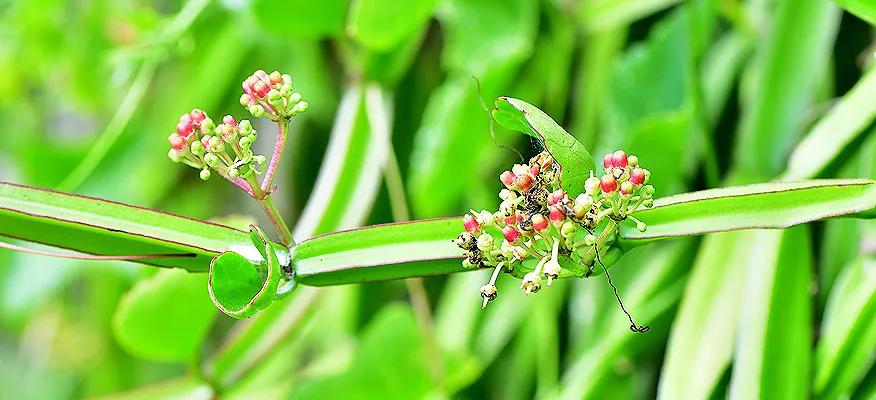
Whoa! Did you just rub your eyes after handling the Pirandai plant? Yikes! Don't worry, though - the itching won't last forever. It's a common reaction, and there's a simple remedy for it, too.
But, before we get into that, let's take a moment to appreciate this wonder herb that goes by the name of Pirandai. This humble vine, often overlooked in our herb gardens, is packed with incredible healing properties.
From aiding digestion to strengthening bones, the many Pirandai benefits could be just what you need to enhance your well-being.
We know you're already stoked to learn more about this plant. So, lets step into world of Pirandai and educate ourselves about this jewel of nature that is set to revolutionize our concept of healthcare.
We promise – no heavy medical jargon or complex concepts. Just simple, friendly, and relatable health wisdom at your fingertips!

What is Pirandai?
Pirandai, also known as Cissus quadrangularis in the scientific community, is a perennial plant commonly found in tropical regions like India and Sri Lanka.
With distinctive succulent, quadrangular stems, Pirandai in English is often colloquially referred to as the Adamant Creeper or Veldt Grape.
For centuries, Pirandai has been a staple in traditional Ayurvedic and Siddha medicine. This can largely be attributed to its unique nutritional profile and potent medicinal properties that contribute to overall well-being.
Let's dive deeper into understanding the nutritional value of this powerhouse plant.
Nutritional value of Pirandai
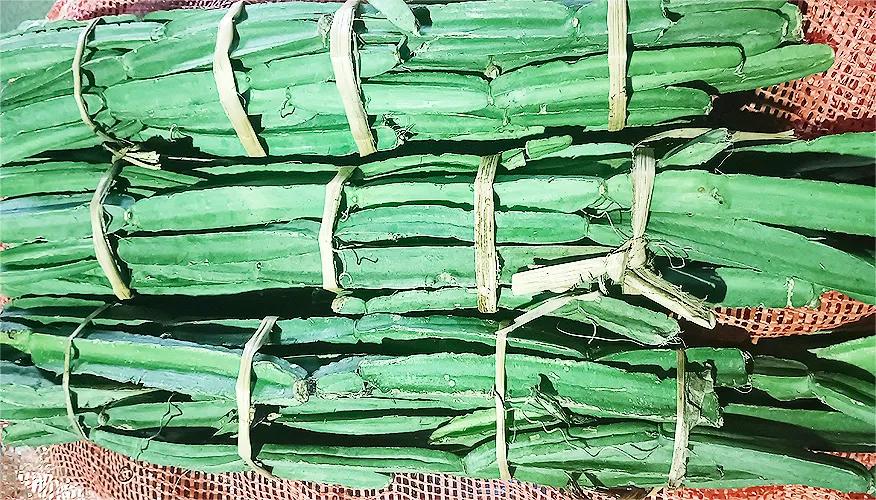
Often overlooked in modern diets, the Pirandai plant packs a load of nutrition.
- It boasts high levels of vitamins A, C, and B complex.
- These vitamins are vital for maintaining good health, aiding everything from eye health to boosting immunity and promoting healthy brain function.
- Additionally, essential minerals such as calcium, phosphorus, iron, and magnesium are abundant in Pirandai.
- These minerals play key roles in various bodily functions including bone health, energy production, oxygen transportation, and nerve signal transmission.
- To top it off, Pirandai also provides dietary fiber and robust antioxidants which contribute to digestive health and radical scavenging activity.
Now that we understand the nutritional value of Pirandai let's explore some Pirandai benefits.
Health Benefits of Pirandai
Pirandai (scientific name: Cissus quadrangularis), also known as "Veldt Grape" or "Adamant Creeper," is a medicinal plant widely used in traditional Ayurvedic and Siddha medicine. Here are the key health benefits of Pirandai:
1. Pirandai for Bone Health
Being a rich source of calcium and phosphorus, Pirandai is excellent for supporting bone health. It's often recommended in traditional medicine for quick fracture recovery.
2. Pirandai’s Anti-Inflammatory Benefits for Joint Pain and Arthritis
Pirandai is well-known in traditional medicine for its powerful anti-inflammatory properties, which help reduce joint pain and swelling. It can be especially beneficial for individuals suffering from arthritis or age-related joint stiffness. Regular use of Pirandai may help improve joint flexibility, reduce discomfort, and support overall joint health naturally.
3. Pirandai for Digestion
The fiber content in Pirandai aids digestion, promoting a healthy gut microbiome and providing relief to those suffering from constipation.
4. Pirandai as an Antioxidant
Packed with antioxidants, Pirandai helps combat oxidative stress, supporting cardiovascular health and laying a role in preventing chronic diseases.
5. Pirandai for Weight Loss
The fiber found in Pirandai can help manage weight by promoting feelings of fullness, reducing overeating.
6. Pirandai for Immunity
Pirandai is a natural immunity booster thanks to its rich antioxidant and vitamin C content. These nutrients help strengthen the immune system, making the body more resilient against infections and seasonal illnesses. Regular consumption may help reduce inflammation and improve the body's natural defense mechanisms.
7. Pirandai for Wound Healing
Traditionally used in herbal medicine, Pirandai supports wound healing by promoting faster tissue repair and reducing inflammation. Its antimicrobial properties also help prevent infection in minor cuts or bruises, making it effective for both internal and external healing processes.

8. Pirandai for Brain Health
Pirandai contains powerful antioxidants that protect brain cells from oxidative damage. These compounds may support memory, concentration, and overall cognitive function. It also has potential neuroprotective properties that help in reducing age-related mental decline.
9. Pirandai for Blood Sugar
Pirandai has shown promise in helping regulate blood sugar levels. It may improve insulin sensitivity and reduce glucose absorption in the intestines, making it a helpful natural supplement for people managing diabetes or prediabetes.
10. Pirandai for Heart Health
The antioxidant and anti-inflammatory properties of Pirandai contribute to heart health by reducing oxidative stress and supporting healthy blood circulation. It may also help manage cholesterol levels, particularly by lowering LDL (bad cholesterol), thus reducing the risk of heart disease.
Uses of Pirandai
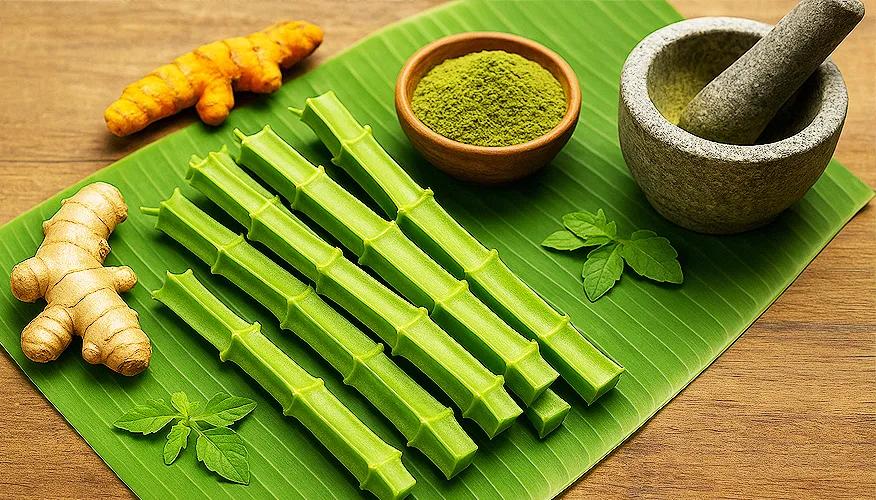
The uses of Pirandai are diverse and plentiful.
- In the culinary world, it's a popular ingredient in South Indian cuisine.
- It's used in chutneys, sambars, pickles, and stir-fries, adding a unique, tangy flavor to dishes.
- Outside the kitchen, Pirandai can also be used as a home remedy for various ailments. For example, the juice extracted from Pirandai stems can be applied topically as an itching remedy.
- Furthermore, Pirandai powder benefits extend to enhancing the nutritional value of soups and smoothies.
How to incorporate Pirandai into your Diet?
Including Pirandai in your diet is easier than you might think. Here are a few simple ways:
- Use fresh Pirandai stems in stir-fries to add a tangy flavor.
- Make Pirandai pickles for a unique, tasty snack that can be enjoyed at any time.
- Sun-dry Pirandai and store it for later use.
- Add Pirandai powder to your soups or smoothies for an extra nutritional boost.
Precautions and Side Effects of Pirandai
While Pirandai has many benefits, it's important to be aware of possible precautions and side effects:
- Allergic Reactions: These are rare but possible, especially if you're new to consuming Pirandai. If you notice any signs of an allergic reaction, such as itching, stop using it and consult a healthcare provider.
- Interactions with Medication: Pirandai may interact with certain medications, so it’s best to consult with a healthcare provider before incorporating it into your diet.
- Overconsumption: Like anything else, too much of a good thing can be harmful. Overeating Pirandai may cause an upset stomach.
Conclusion
The Pirandai plant, rich in nutrients and bearing numerous health benefits, is a significant addition to a balanced diet. By incorporating it into your meals and remedies, you're not only enhancing your overall well-being but also supporting sustainable practices.
Just remember to start slow if you're new to this plant and always listen to your body. It's always a good idea to consult with your healthcare provider before starting any new dietary supplement, including Pirandai.
Lastly, enjoy learning Pirandai benefits and how you can incorporate this herbal powerhouse into your health and wellness journey.
Meet our expert

Meet our expert
Diyanah is a passionate registered dietitian with a Bachelor of Dietetics from the International Islamic University Malaysia (IIUM) and extensive experience in healthcare.



How was the experience with article?
We'd love to know!