
Turmeric is often called “the golden spice.” This vibrant yellow root has been used for centuries in traditional Indian and Chinese medicine, where it was valued for its restorative and protective properties. Today, turmeric is widely embraced in modern wellness routines and features prominently in functional foods, drinks, and supplements.
At the core of turmeric’s power is curcumin, its primary active compound. Curcumin has been extensively studied for its strong anti-inflammatory, antioxidant, healing, and even anti-aging properties. Research suggests it may be beneficial for a wide range of concerns, including chronic inflammation, digestive discomfort, skin conditions, and long-term disease prevention.
Here’s a closer look at 8 science-backed benefits of turmeric you should know.
Health Benefits of Turmeric
1. Natural anti-inflammatory support
Chronic inflammation is a common thread in many health issues — from joint pain and fatigue to diabetes and heart disease. Curcumin, the active compound in turmeric, helps by blocking certain molecules that cause inflammation, offering natural support without the side effects of long-term medications.
How it helps:
- Eases joint discomfort by reducing inflammation in tissues · Speeds up muscle recovery and post-workout
- Speeds up muscle recovery and post-workout
- Helps manage inflammatory conditions like arthritis
Turmeric can help your body stay in balance by calming inflammation at its source.
2. Boosts immunity

A strong immune system relies on low inflammation and low oxidative stress. Turmeric helps by calming inflammation and protecting your cells, making it easier for your body to fight off illness. It also helps keep your immune system balanced — which is important for preventing frequent infections, seasonal sickness, and long-term immune problems.
Why it matters:
- Strengthens your body’s defense system
- Supports recovery from illness
- May reduce inflammation-related immune fatigue
Pairing turmeric with black pepper enhances absorption and effectiveness.
3. Healing wounds
Turmeric has natural antiseptic and antimicrobial properties, which help it support faster healing when applied topically or consumed regularly. It’s commonly used in traditional remedies for cuts, bruises, and skin irritation.
Benefits include:
- Faster wound healing
- Reduced swelling and scarring
- Calming for skin inflammation and minor burns
Many people also mix turmeric paste with aloe vera or coconut oil for external use.
4. Aids digestion and gut health
Good digestion starts with a healthy gut lining and proper bile flow. Turmeric stimulates both, making it easier for the body to break down fats and absorb nutrients. It’s traditionally used to relieve bloating, gas, and indigestion.
Digestive benefits include:
- Easing bloating and discomfort
- Supporting gut microbiome balance
- Helps soothe mild gut inflammation
Drinking warm turmeric water before meals is a popular ritual to support digestion naturally.
5. Glowing skin (Inside and Out)

Turmeric promotes clear, radiant skin by reducing inflammation, controlling oil production, and fighting oxidative stress. Whether consumed or used topically, it helps reduce acne, pigmentation, and dullness.
How it supports skin:
- Brightens skin tone
- Fights acne-causing bacteria
- Reduces redness and scars
You can drink turmeric water for a glow-from-within effect and apply turmeric masks (always patch test first) to enhance external radiance.
Related:Top 15 Foods For Glowing Skin
6. Balances blood sugar
Turmeric may help support balanced blood sugar levels by improving how your body responds to insulin. This can reduce sharp spikes after meals and prevent energy crashes, promoting steadier energy and better metabolic health over time.
How it helps:
- Supports stable energy
- Reduces sugar cravings
- May aid in pre-diabetic or early metabolic conditions
For the best results, combine turmeric with a balanced, plant-rich diet.
7. Supports brain health and mood
Turmeric boosts brain-derived neurotrophic factor (BDNF), a compound that supports memory, mood, and mental clarity. It also reduces inflammation in the brain, which is linked to cognitive decline and mood disorders.
Benefits include:
- Improved focus and memory
- Reduced brain fog
- Support for emotional well-being
Daily turmeric consumption may support long-term cognitive health and emotional resilience.
8. Protects heart health
Curcumin helps protect heart health by reducing inflammation, supporting blood vessel function, and lowering oxidative stress. It may also help regulate cholesterol and blood pressure.
Cardiovascular benefits include:
- Improved circulation
- Reduced oxidative damage
- Lower risk of plaque buildup in arteries
Turmeric can be a gentle, heart-friendly addition to your daily routine — especially when paired with an anti-inflammatory diet.
How to incorporate turmeric every day
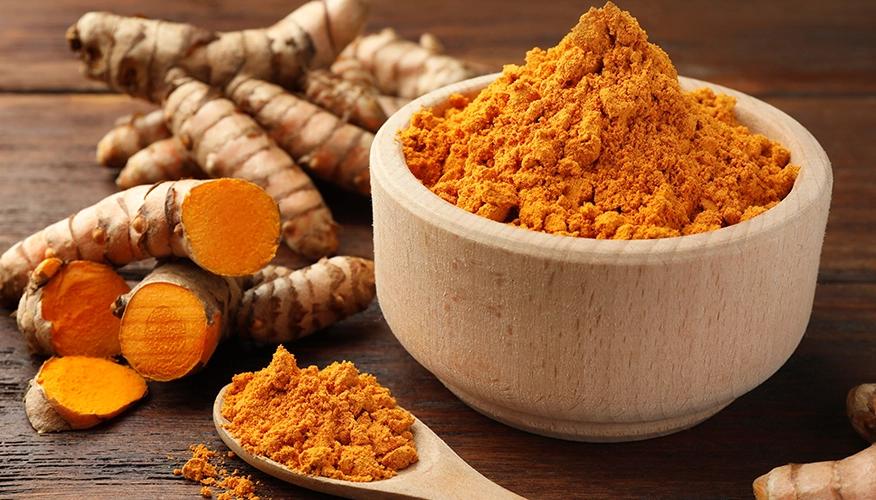
Turmeric’s health benefits can be seen with consistent use. It is versatile and can be easily added to your everyday meals and drinks in simple, effective ways.
- Turmeric water: One of the easiest and most popular ways to include turmeric daily (see below).
- Golden milk: Blend turmeric with plant-based milk, black pepper, and a touch of cinnamon or ginger for a soothing, anti-inflammatory drink.
- Smoothies: Add ½ tsp of ground turmeric to your morning smoothie for a nutrient-rich boost.
- Cooking: Use turmeric in soups, stews, curries, stir-fries, and roasted vegetables.
- Homemade face masks: Combine turmeric with yogurt or aloe vera for a DIY glow-boosting treatment.
Easiest way: Turmeric water
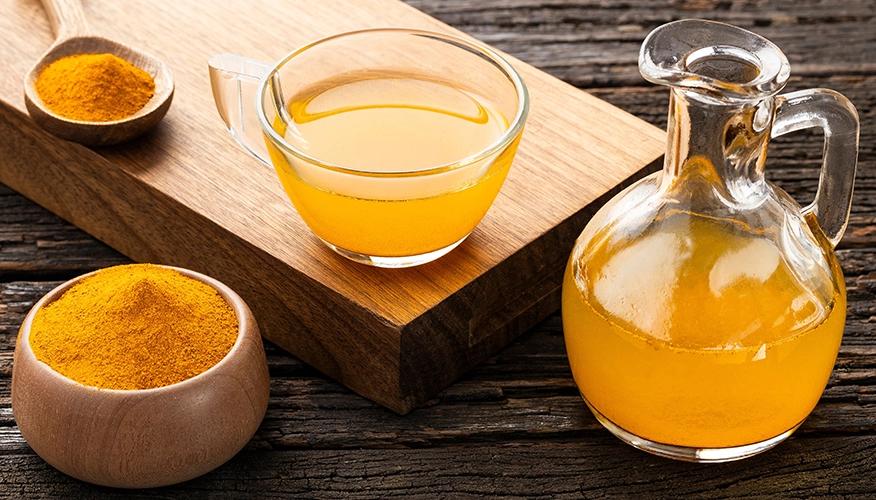
Turmeric water is one of the simplest and most effective ways to experience the benefits of this golden spice.
Benefits of turmeric water:
- Turmeric water helps flush out toxins and supports liver function
- Hydrates your system while making it easier for the body to absorb curcumin
- Help balance your body’s pH, reducing digestive issues like acid reflux
- Help with fat metabolism and appetite regulation
How to prepare turmeric water:
- 1 cup warm water
- ¼ to ½ tsp ground turmeric
- A pinch of black pepper (to enhance absorption)
- Optional: squeeze of lemon juice, a few slices of fresh ginger, or a dash of cinnamon
- Stir well or whisk until combined. Drink immediately.
When to have it:
- Best time: First thing in the morning on an empty stomach
- Optional: Have a second cup mid-day or after meals for digestive support
Keep it light and avoid overdoing the quantity. A small daily dose is more beneficial than a large occasional one.
Some side effects of turmeric
While turmeric is generally safe for most people, it’s important to be mindful of potential side effects—especially when consumed in large amounts or in supplement form.
Possible side effects are:
- High doses may cause bloating, acid reflux, or nausea
- Turmeric can slow blood clotting, so it may interact with blood-thinning medications
- Those with gallstones or bile duct problems should consult a doctor before regular use
- Excess turmeric may interfere with iron absorption if taken in very large quantities
- Rare, but some people may experience skin sensitivity or rashes
Tip: Stick to food-based amounts (½–1 tsp a day) unless advised otherwise by a healthcare professional.
Conclusion
From calming inflammation to supporting skin, gut, and immune health, turmeric offers a wide range of benefits backed by both tradition and science. Its active compound,
curcumin, plays a central role in reducing oxidative stress and keeping the body in balance.
The key to unlocking turmeric’s full potential lies in daily, consistent use. Whether it’s a warm cup of turmeric water in the morning or adding it to your meals, these small habits can build toward long-term wellness.
Meet our expert

Meet our expert
Dr Jatin Bhide is an Ayurvedic doctor with over 16 years of enriching experience in Marketing and Strategy across OTC/FMHG, herbal medicine and Nutraceuticals (Europe) industries. He did his Bachelor of Ayurvedic Medicine and Surgery (BAMS) from Mumbai University, before moving on to do a Post Graduate Diploma in Pharmaceuticals and Healthcare Management.



How was the experience with article?
We'd love to know!