
If you’ve ever bitten into a crisp, juicy water apple on a hot afternoon, you know just how refreshing this tropical fruit can be. Known by many names—jambu air in Malaysia and Indonesia, rose apple in some regions, and enjoyed across East Africa where it’s often sold fresh in local markets—this bell-shaped fruit isn’t just a treat for the taste buds. It’s a quiet superstar when it comes to health.
Packed with water, light on calories, and full of antioxidants, water apple has long been used in traditional remedies to cool the body, support digestion, and even ease symptoms of fever or dehydration. Whether eaten fresh, juiced, or added to salads, this humble fruit is finally getting the recognition it deserves.
In this article, we’ll explore the top water apple benefits you should know—and why this tropical delight deserves a regular spot in your fruit bowl.
What is water apple?
- Water apple, scientifically known as Syzygium aqueum, is a tropical fruit native to Southeast Asia and certain tropical regions of India.
- This versatile fruit is also known by several other names, including rose apple, watery rose apple, Java apple, bell fruit, and locally in various regions, it's called Chambakka in some parts of India, Pani Seb in Hindi, and Jambu in Tamil and Malayalam.
- The water apple has a distinctive bell-shaped appearance with a thin, crimson-colored skin and white, juicy flesh inside.
- When ripe, water apples offer a sweet, crunchy texture accompanied by a mildly pleasant aroma.
- Interestingly, the unripe fruit is green and has an astringent flavor, making it ideal for use in pickles and chutneys.
- This fruit’s high water content—around 90%—makes it incredibly hydrating, providing a refreshing burst of hydration, especially in hot climates.
Whether you enjoy it fresh or incorporate it into culinary dishes, the water apple is as beneficial as it is delicious.
With its crisp texture and thirst-quenching properties, it remains a tropical favorite, making it a great choice for anyone seeking a refreshing snack.
Beyond its taste, water apple, also called java apple or watery rose apple, offers numerous health benefits that make it a valuable addition to any diet.
Nutritional value of water apple
Water apple is not just refreshing, but it's also low in calories and rich in essential nutrients. Let's look at the nutritional profile of water apple per 100 grams:
| Nutrient | Amount per 100g |
| Energy | 25 Kcal |
| Carbohydrates | 5.7 g |
| Fats | 0.3 g |
| Proteins | 0.6 g |
| Calcium | 29 mg |
| Iron | 0.07 mg |
| Magnesium | 5 mg |
| Potassium | 123 mg |
| Phosphorus | 8 mg |
| Vitamin A | 17 g |
Its high content of water and fiber combined with various vitamins and minerals contribute to water apple's many health benefits.
Benefits of water apple
Water apple is a tropical fruit packed with essential nutrients, offering a wide range of health benefits.
Its high water content, rich antioxidants, and fiber make it an excellent addition to a healthy diet.
Here are some key health benefits of water apple:
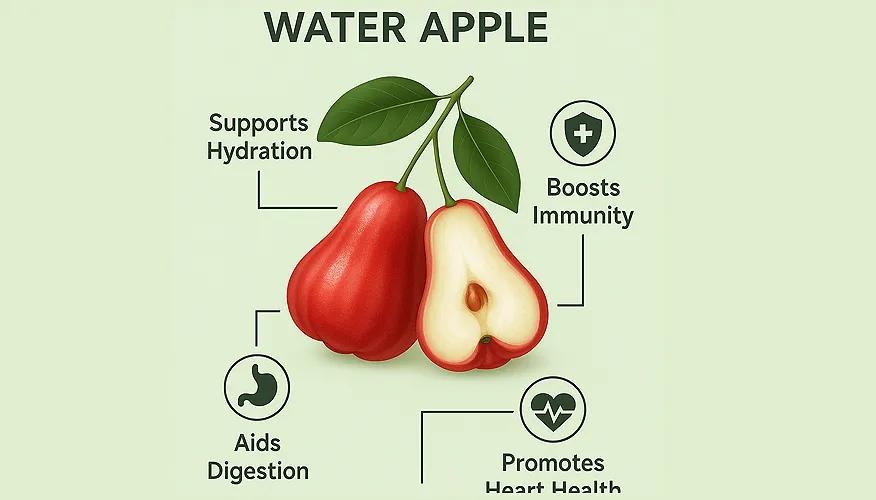
- Hydration and electrolyte balance: Water apples are composed of nearly 90% water, making them highly hydrating, especially in hot climates. The fruit’s potassium content helps maintain proper fluid and electrolyte balance, which is crucial for supporting healthy blood pressure levels and overall hydration.
- Supports digestion and gut health: Rich in dietary fiber, water apples help promote regular bowel movements, relieve constipation, and support a healthy gut microbiome. The fiber acts as a prebiotic, encouraging the growth of beneficial gut bacteria, improving digestion, and supporting overall gut health.
- Boosts immunity: Water apples are an excellent source of vitamin C and antioxidants. These nutrients help boost the immune system, defend against infections, and reduce oxidative stress, which can help keep your body healthy and better able to fight off illnesses.
- Aids in weight management: Low in calories but high in fiber, water apples make you feel full for longer periods, reducing the temptation to overeat. This makes them a great snack option for those looking to manage their weight and maintain a healthy lifestyle.
- Blood sugar regulation: With a low glycemic index, water apples help regulate blood sugar levels by slowing down sugar absorption. This makes them a suitable choice for people with diabetes or those managing blood sugar levels, offering a healthier alternative to high-sugar snacks.
- Heart health: Water apples contribute to heart health through their high fiber and potassium content. These nutrients help regulate cholesterol levels, lower blood pressure, and reduce the risk of cardiovascular disease, promoting overall heart health.
- Skin health: The vitamin C and antioxidants in water apples help protect the skin from oxidative damage, promote collagen production, and maintain skin elasticity. This makes water apple a great fruit for supporting youthful, healthy skin.
- Anti-inflammatory and antioxidant properties: Water apples are rich in phenolic compounds, flavonoids, and other antioxidants, which have potent anti-inflammatory effects. These compounds may help lower the risk of chronic diseases, such as arthritis, cardiovascular conditions, and certain cancers.
- Bone health: Containing essential minerals like calcium and phosphorus, water apples contribute to strong bones and can help prevent conditions like osteoporosis. Including water apple in your diet supports overall bone health and strength.
Culinary uses of water apple

Water apple is a versatile fruit that can be enjoyed in various ways, offering a sweet, hydrating burst of flavor.
Here are some popular culinary uses:
- Water apple can be enjoyed fresh, offering a crisp and juicy texture as a refreshing snack.
- It is often used in salads, adding a sweet and hydrating crunch.
- The fruit can be blended into smoothies or juices for a hydrating, flavorful drink.
- Water apple can be pickled, especially when unripe, to add a tangy, astringent flavor to dishes.
- It is commonly used in chutneys, paired with spices for a tangy and flavorful condiment.
- Water apple is sometimes added to fruit desserts, like sorbets or fruit salads, for an extra burst of sweetness and hydration.
Traditional and medicinal uses
Traditionally, different parts of the water apple plant have been used to treat numerous health conditions.
The leaves, bark, and fruits are known to possess medicinal properties beneficial for treating digestive conditions, detoxifying the liver, relieving headaches, reducing fevers, and addressing various skin conditions.
In Ayurvedic practices, the fruit is valued for its ability to enrich skin texture, detoxify the liver, and augment heart functions.
How to grow water apple
Growing water apple (Syzygium aqueum) is relatively easy, whether in a garden or container. Here’s a simplified guide:
- Selecting the location: Choose a spot with 6-8 hours of direct sunlight daily. Ensure the area is sheltered from strong winds, which can damage flowers and fruits.
- Soil preparation: Plant in well-draining loamy or sandy soil rich in organic matter. The soil should have a slightly acidic to neutral pH (5.5–7.0). Till the soil to improve drainage and root growth.
- Propagation Extract seeds from ripe fruit, wash, dry for a day, and sow 1 inch deep in fertile soil. Seeds germinate in 6–22 days. Use semi-hardwood cuttings for faster propagation. Another option to propagate by encouraging roots while attached to the parent tree.
- Planting: Space trees 15–20 feet apart. For pots, use containers with drainage holes. Water gently after transplanting and keep in partial shade until established.
- Watering: Keep the soil moist, but not waterlogged. Water twice a week during dry periods, reducing watering in the rainy season.
- Fertilizing: Apply organic manure or compost annually (10–15 kg per tree). Supplement with balanced NPK fertilizer (10-10-10) every 3–4 months for healthy growth.
- Care and maintenance: Remove dead or diseased branches for better air circulation. Regularly check for pests and treat as necessary. Repot potted plants when they become root-bound.
- Harvesting: Water apples typically bear fruit 2.5–4 years after planting. Harvest when ripe, when the fruit is firm and fully colored (green, pink, or red). Handle gently to avoid bruising.
Potential side effects of water apple

Water apple is generally safe in moderation, but there are some potential side effects to consider:
- Digestive issues: Overconsumption can cause bloating, gas, diarrhea, constipation, or acidity due to its high water and fiber content. It's best to eat in moderation.
- Allergic reactions: People with apple allergies may react to water apple, experiencing symptoms like itching or swelling. Discontinue use and consult a doctor if symptoms occur.
- Toxic parts of the plant: The leaves, seeds, stems, and roots contain toxic compounds like hydrocyanic acid (cyanide) and should not be consumed. Only eat the ripe fruit.
- Pesticide residue: Water apples may contain pesticide residues, which could cause headaches or nausea. Wash thoroughly or choose organic produce.
- Drug interactions: Although rare, water apple may interact with certain medications. Consult your doctor if you’re on prescription drugs.
- Toxicity from excessive intake: Eating large amounts of water apple may lead to the accumulation of trace minerals or metals, risking toxicity. Moderation is key.
Conclusion
Water apple is more than just a delicious tropical fruit; it's a nutritional powerhouse with numerous health benefits.
Its high water content, essential vitamins and minerals, and antioxidant properties make it an excellent addition to your diet, particularly in tropical climates.
From supporting hydration to boosting immunity and even promoting heart health, the list of water apple benefits proves that this crisp, cooling fruit is much more than a seasonal snack. It’s a natural health booster—one that’s deeply rooted in local traditions and increasingly backed by science.
Whether you're consuming it fresh, adding it to salads, or using it in traditional remedies, the water apple offers a refreshing way to support overall health and well-being. With its delightful taste and incredible health benefits, the water apple truly is a wonder fruit that everyone should enjoy.
Meet our expert

Meet our expert
Ng Juby is a Registered Nutritionist under the Allied Health Professional Act 774, holding
a Bachelor of Science (Hons) in Nutrition with Wellness from UCSI University.



How was the experience with article?
We'd love to know!